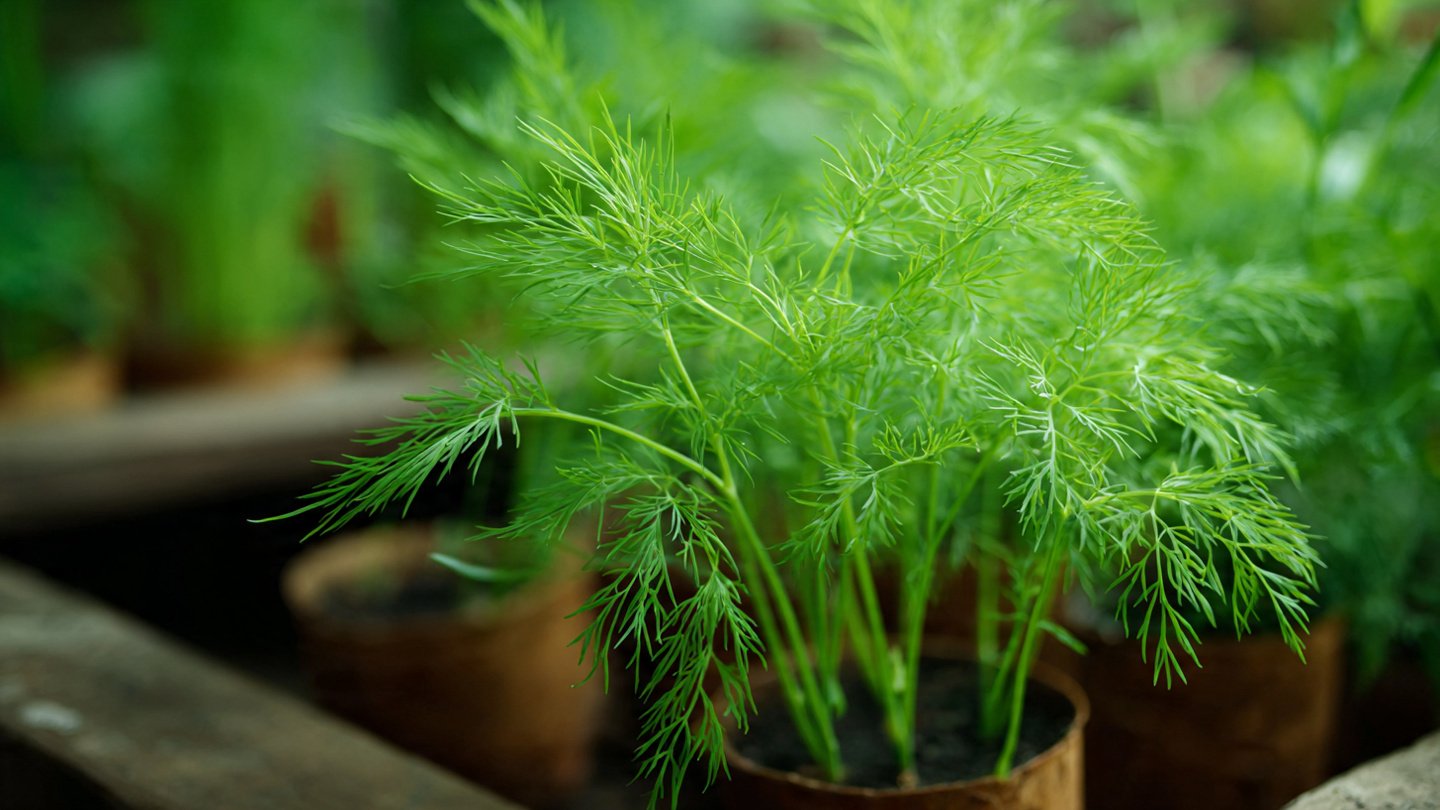
Dill (Anethum graveolens) is a popular herb known for its fragrant leaves and seeds, widely used in culinary dishes, pickling, and as a medicinal plant. Growing dill in a pot is an excellent option, especially for those with limited garden space. This guide will take you through each step of successfully growing dill from seed to harvest, ensuring your pots are brimming with fresh, aromatic foliage.
Understanding Dill
Before diving into the cultivation process, it’s essential to understand a bit about dill’s characteristics:
- Growth Habit: Dill is an annual herb that grows upright, reaching up to 3 feet in height.
- Leaves: The feathery, fern-like leaves are aromatic and used for flavoring.
- Flowers and Seeds: Dill produces yellow flowers that attract beneficial insects. The seeds can also be harvested during the latter part of the season.
Choosing the Right Container
Size and Material
- Container Size: Select a pot that is at least 8–12 inches deep and wide. This allows sufficient space for the roots to grow, ensuring healthy plants.
- Material: Clay or plastic pots work well. Ensure the pot has drainage holes to prevent waterlogging.
Placement
Dill requires full sun to thrive, so choose a location that receives at least 6 to 8 hours of sunlight daily. If growing indoors, place the pot near a sunny window or use grow lights.
Soil Requirements
Soil Type
Dill prefers well-draining soil. A mix of potting soil with added perlite or sand will enhance drainage.
pH Level
Aim for a soil pH between 6.0 and 7.0. Use a simple pH testing kit to check the soil’s acidity or alkalinity and amend accordingly.
Planting Dill Seeds
When to Plant
- Growing Season: Dill can be sown directly in the pot when the danger of frost has passed. Typically, this is in early spring. If you live in a warmer climate, you might be able to plant in late summer for a fall harvest.
Sowing Seeds
- Seed Preparation: Dill seeds have a hard coating. If desired, soak them in water for 12 hours before planting to enhance germination.
- Sowing Depth: Plant seeds about ¼ inch deep. Spread them evenly in the pot, allowing about 6–10 inches between seeds.
- Covering Seeds: Lightly sprinkle soil over the seeds and gently press down.
Watering After Planting
Water the pot thoroughly after planting, ensuring the soil is moist but not soggy. Maintain consistent moisture throughout the germination period, which takes about 7 to 14 days.
Caring for Your Dill Plants
Watering
- Frequency: Dill prefers evenly moist soil. Water when the top inch of soil feels dry. Avoid overwatering, which can lead to root rot.
- Signs of Overwatering: Yellowing leaves or drooping stems indicate excess moisture.
Fertilizing
- Type of Fertilizer: Use a balanced, organic fertilizer with an NPK ratio of 10-10-10 or similar.
- Frequency: Fertilize every 4–6 weeks during the growing season. Diluting the fertilizer to half-strength is safe to avoid nutrient burn.
Pruning and Thinning
- Thinning: Once seedlings reach about 2 inches, thin them to 6–8 inches apart to prevent overcrowding.
- Pruning: Regularly trim the tops of your dill plants to encourage bushier growth and prevent flowering too early. This also promotes leaf production, which is what you want to harvest.
Pest and Disease Management
Common Pests
- Aphids: Small, green insects that suck sap from the leaves. Control them with insecticidal soap or neem oil.
- Spider Mites: Look for fine webbing. Increase humidity or use horticultural oil to manage these pests.
Diseases
- Fungal Infections: Good air circulation helps prevent diseases like powdery mildew. Avoid overhead watering.
- Root Rot: Ensure your pot has good drainage and avoid overwatering to prevent this issue.
Harvesting Dill Leaves
When to Harvest
- Timing: Dill leaves can be harvested once the plants are about 6 inches tall. The best flavor is achieved during the early morning hours.
- Method: Use scissors or garden shears to snip the leaves. Cut only the outer leaves, leaving the inner ones to grow.
Drying Dill
If you have an abundance of dill or wish to preserve it, drying is a great option.
- Harvesting for Drying: Cut the stems in early morning.
- Hanging Method: Bundle several stems together, tie them with string, and hang them upside down in a dry, dark area.
- Storage: Once the leaves are fully dried, crumble them into a container for storage.
Troubleshooting Common Problems
- Leggy Plants: This issue arises from insufficient light. Move the pot to a sunnier location.
- Browning Tips: This indicates either underwatering or excessive heat. Adjust your watering schedule accordingly.
Frequently Asked Questions (FAQs)
1. Can I grow dill indoors?
Yes, dill can be successfully grown indoors. Just ensure it receives enough sunlight, ideally from a south-facing window or under grow lights.
2. How often should I water dill?
Water when the top inch of soil feels dry. Ensure the pot has drainage holes to avoid waterlogging.
3. When is the best time to plant dill?
Plant dill seeds in early spring after the last frost or in late summer for a fall harvest in warmer climates.
4. Can I use store-bought dill seeds for planting?
Yes, but the seeds must be fresh. Old seeds may have lower germination rates. Consider organic seeds for better growth.
5. What companion plants work well with dill?
Dill pairs nicely with cucumbers, cabbage, and carrots, but avoid planting near carrots or tomatoes, as it can stunt their growth.
6. How do I know when to stop harvesting dill?
Stop harvesting when the plant begins to flower. The leaves become more bitter once blooming starts, diminishing culinary use.
7. Is dill a perennial or an annual plant?
Dill is an annual herb, meaning it completes its life cycle in one growing season. In some mild climates, it may reseed itself.
Conclusion
Growing dill in a pot is a fulfilling gardening endeavor that provides fresh herbs for your culinary adventures. By following the steps outlined in this guide—from selecting the right container to ensuring proper care—you can enjoy the benefits of home-grown dill all season long. With your green thumb and a little patience, you’ll be well on your way to harvesting fragrant dill leaves for cooking, pickling, or even just enjoying the beauty of this lovely herb in your home. Happy gardening!