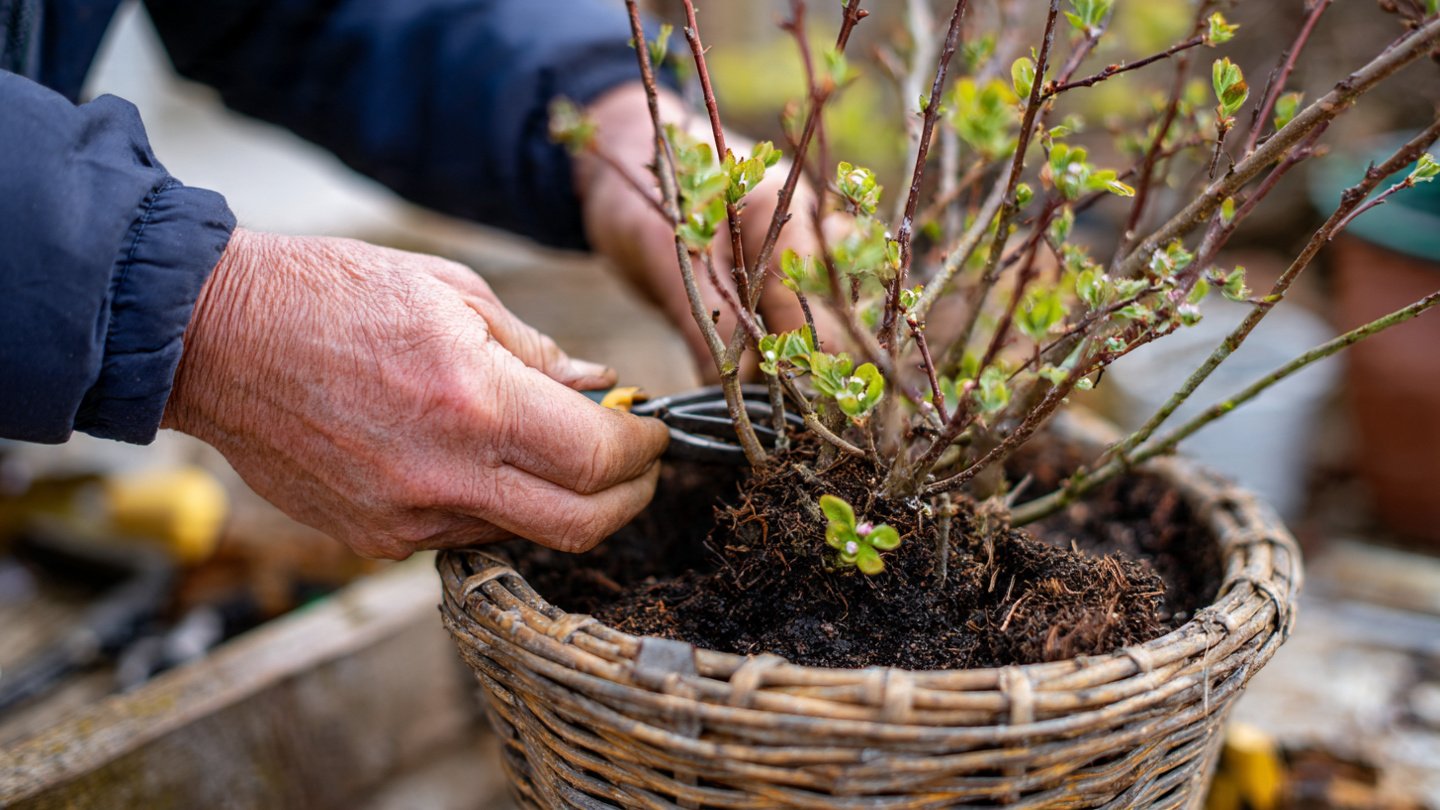
Pruning plum trees in containers is essential for promoting healthy growth, improving fruit quality, and maintaining an attractive shape. This guide will walk you through everything you need to know about pruning your container-grown plum trees, from understanding their unique needs to techniques that will keep them thriving.
Understanding Plum Trees in Containers
Why Container Growing?
Growing plum trees in containers offers numerous benefits:
- Space Efficiency: Ideal for small gardens or patios.
- Controlled Environment: Easier to regulate soil quality and moisture levels.
- Mobility: Relocate your tree to optimize sunlight exposure or protect it from harsh weather.
Choosing the Right Plum Tree Variety
When selecting a plum tree for container growth, consider the following varieties known for their compact size and adaptability:
- Dwarf Varieties: Trees like ‘Santa Rosa’ and ‘Methley’ are excellent choices.
- Self-Pollinating Types: Varieties that don’t require another tree for pollination make it simpler for container gardening.
Essential Tools for Pruning
Before you start pruning, ensure you have the right tools on hand:
- Pruning Shears: For precise cuts on small branches.
- Loppers: Ideal for thicker branches, generally ¾ inch to 1 inch in diameter.
- Hand Saw: Useful for larger branches that cannot be handled by loppers or shears.
- Gloves: Protect your hands from sharp thorns and cuts.
- Disinfectant: For cleaning your tools before and after use to avoid spreading disease.
When to Prune Plum Trees
Optimal Timing
- Late Winter to Early Spring: The best time to prune is just before new growth begins. During this period, the tree is still dormant, which minimizes stress and promotes recovery.
Signs That Pruning Is Needed
- Crowded Growth: If branches are crossing or congested, it’s time to prune.
- Dead or Damaged Branches: Remove any dead wood to allow for healthy growth.
- Pest Infestation: Prune areas affected by pests to prevent further damage.
Pruning Techniques
1. Assessing Structure
Before you begin, stand back and assess the overall structure of the tree. Look for the following:
- V-Shaped versus U-Shaped Growth: U-shaped branches tend to be sturdier.
- Center Leader: Ideally, you should have one primary trunk (or leader) that extends upward.
2. Crown Thinning
Crown thinning enhances air circulation and light penetration. Here’s how:
- Remove Suckers: Cut any shoot growing directly from the base or rootstock.
- Selectively Thin Branches: Remove 20-30% of the smaller branches from the interior of the crown. Focus on crossing or weak branches.
3. Heading Back
This technique involves cutting back the tips of branches to encourage bushier growth:
- Cut Above a Bud: Make cuts about ¼ inch above buds that face outward.
4. Rejuvenation Pruning (for Older Trees)
For older plum trees that may have become unwieldy:
- Cut back 30-50% of the total height.
- Focus on removing the oldest, least productive branches.
5. Training Young Trees
Training a young container-grown plum tree is crucial for developing a strong framework:
- Establishing Form: Choose 2-4 well-placed lateral branches for the main structure.
- Regularly Check: Adjust ties and support devices as the tree grows to maintain shape.
Post-Pruning Care
Watering
After pruning, plum trees need adequate water to recover.
- Check Soil Moisture: The top inch of soil should be dry; water thoroughly to avoid stress.
Fertilizing
Incorporate a balanced, slow-release fertilizer after pruning to encourage growth.
- Spring and Fall Application: The best times for fertilization.
Pest Control
Keep an eye out for pests, particularly after you’ve cut back some branches.
- Regular Inspection: Look for signs of infestation and take necessary action, whether it’s manual removal or applying insecticides.
Common Mistakes to Avoid
- Over-Pruning: Cutting too much can weaken the tree.
- Ignoring Cleanliness: Not disinfecting tools can cause disease spread.
- Ignoring Trees’ Natural Shape: Prune to enhance the natural form rather than forcing a specific aesthetic.
FAQs
Q1: How often should I prune my plum tree in a container?
A1: Generally, pruning once a year during late winter to early spring is sufficient to promote healthy growth and shape.
Q2: Can I prune my plum tree in summer?
A2: While minor summer pruning is acceptable, it is best to avoid heavy pruning during this season as it can stress the tree.
Q3: What should I do if my limbs are too thick for shears?
A3: Use loppers or a hand saw for thicker branches, ensuring to make clean cuts and avoid tearing.
Q4: Is it necessary to cover pruning cuts?
A4: Generally, it’s not required to seal cuts, but some gardeners prefer to apply pruning sealants to larger cuts to prevent disease.
Q5: Can I prune my plum tree if it’s not producing fruit?
A5: Yes, pruning can help improve air circulation and sunlight exposure, which may encourage fruit production in the future.
Q6: Should I prune my tree if it’s healthy?
A6: Yes, even healthy trees benefit from regular maintenance pruning to keep their shape and overall health.
Q7: What are suckers, and how should I handle them?
A7: Suckers are fast-growing shoots that grow straight up from the base or roots of the tree. They should be removed as they drain energy from the main tree.
Q8: How do I know if I’m pruning at the right time?
A8: Prune just before the growing season, ideally when the tree is still dormant in late winter or early spring. Look for new bud formation as a guide.
Conclusion
Pruning your container-grown plum tree is essential for ensuring its health and productivity. By following the techniques outlined in this guide, you can enhance the longevity and fruiting of your plum tree. With the right tools, timing, and techniques, you’ll enjoy bountiful harvests and beautiful greenery right from your patio or balcony. Happy pruning!