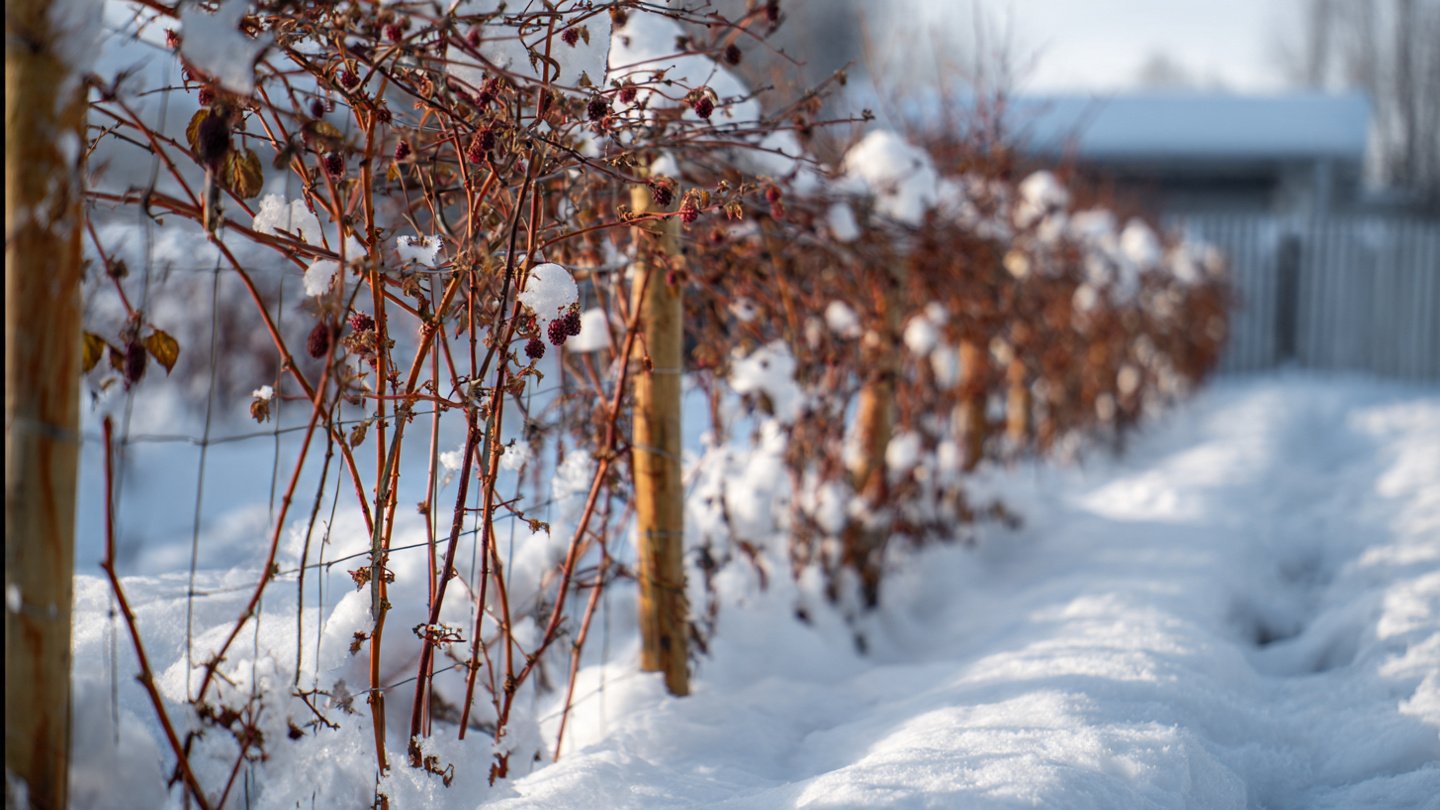
Growing raspberries can be a rewarding experience, yielding delicious fruits that can be enjoyed fresh or preserved. However, as winter approaches, raspberry canes require special attention to ensure they survive the cold months intact. In this comprehensive guide, we’ll cover everything you need to know about protecting your raspberry canes during winter, including preparation techniques, winter care, and answers to frequently asked questions.
Understanding Raspberry Plant Varieties
Before diving into winter protection strategies, it’s important to understand the different varieties of raspberries available:
- Summer-Bearing Raspberries: These fruit in early summer. Varieties include Heritage, Latham, and Boyne.
- Fall-Bearing Raspberries: These produce crops in late summer and into fall. Popular varieties include Fall Gold and Caroline.
- Ever-Bearing Raspberries: These can produce two crops—one in summer and one in fall. Examples are Polana and Raspberry Shortcake.
Each variety has different resilience levels to cold, which influences how you should protect them.
Preparation Before Winter
1. Pruning
Before winter sets in, pruning is essential for healthy canes:
-
Timing: Prune your raspberries in late fall after the leaves have fallen, but before the ground freezes. For summer-bearing types, remove old canes that bore fruit, leaving new ones for the next season. For fall-bearing types, you can choose to prune to the ground in late winter.
-
Technique: Use sharp, clean pruning shears. Cut back any dead, damaged, or weak canes. Thin crowded areas to improve airflow, helping to prevent diseases.
2. Cleaning the Area
Clear debris and fallen leaves from the base of your raspberry canes:
-
Why: This discourages disease and pests that might overwinter in decaying plant material.
-
How: Rake the area thoroughly. You can dispose of debris by burning (if permitted) or composting it away from the raspberry bed.
3. Mulching
Mulching provides insulation for the roots:
-
Material: Use organic materials like straw, ground bark, or wood chips. Aim for a mulch layer of 2-4 inches.
-
Application: Apply mulch around the base of the canes. Avoid piling it directly against the stems to prevent rot.
Winter Protection Techniques
Once your raspberries are adequately prepared for winter, consider additional techniques for protecting them.
1. Bending Canes
For some raspberry varieties, bending the canes down to the ground can provide excellent protection:
-
How to Bend: Carefully bend the canes down, securing them to the ground with landscape pins or stones. This method is particularly effective for fall-bearing varieties.
-
Covering: Use straw or hay on top of the bent canes for added insulation.
2. Constructing a Shelter
If you live in an area with harsh winters, building a portable shelter around your canes can offer additional protection:
-
Materials: Use PVC pipe, plastic sheeting, and stakes.
-
Instructions: Create a frame with the PVC and drape plastic sheeting over it, ensuring it is secure but allows some air circulation to prevent rot.
3. Wrapping Canes
Wrapping individual canes adds another layer of protection against freezing temperatures:
-
Materials: Use horticultural fleece, burlap, or even old blankets.
-
Technique: Carefully wrap canes, securing with twine or twine. Ensure that the wraps are not too tight, allowing some space for airflow.
Watering Before Freeze
Don’t forget to water your canes before the first major freeze:
-
Timing: Water in late autumn when the soil is still warm. This helps your plants absorb moisture and prepares them for the dry winter months when moisture is scarce.
-
Method: Water deeply to ensure the root zone gets sufficient moisture.
Monitoring in Winter
Even during winter, it’s important to check on your raspberry canes periodically:
1. Check for Pests
While most pests retreat in cold weather, it’s wise to look for:
- Rats and Mice: They can be attracted to the shelter you provide and may gnaw on stems.
- Signs of Damage: Look for chewed stems or visible damage.
2. Inspect for Moisture
It’s essential to ensure that the plants are not too dry:
- What to View: Look for signs like stems shriveling or browning. If you notice these signs, thaw a small amount of water at room temperature and lightly moisten the ground.
Spring Care
As winter ends and spring returns, your canes will need a different kind of care:
1. Remove Insulation
As the weather warms, remove any mulch or protective coverings to provide airflow:
- Timing: Do this gradually as the threat of frost diminishes.
2. Reassessing Damage
Check for signs of winter damage:
- Look For: Dead canes or areas affected by rot. Remove any that have not survived the winter.
3. Fertilizing
Feed your plants with an organic fertilizer that is rich in nitrogen:
-
Types: Look for compost, well-rotted manure, or a specialized berry fertilizer.
-
Method: Apply according to package instructions, ensuring not to over-fertilize.
FAQs
1. When is the best time to prune raspberry canes?
The best time to prune varies by variety. Generally, late fall or early winter for summer-bearers and late winter for fall-bearers is ideal.
2. Can I let my raspberry canes grow without winter protection?
While some varieties are very hardy, providing protection will significantly enhance their chances of surviving harsh winters and yielding better crops in the spring.
3. Is it necessary to cover raspberry canes in warmer climates?
If you live in a milder climate, light mulching may suffice. However, extreme temperature fluctuations can still harm your plants.
4. What materials can I use for wrapping raspberry canes?
Horticultural fleece, burlap, old blankets, or specialized plant covers work well.
5. Should I still water my raspberry canes in winter?
It’s not necessary to water during winter, but a good deep watering before the first freeze ensures the roots are hydrated through the cold months.
6. What should I do if I notice pests during winter?
If you discover pests, consider removing insulation temporarily and using organic pest control methods, ensuring not to harm the canes.
Conclusion
Successfully protecting raspberry canes during winter involves preparation, proactive care, and monitoring. With the right techniques and attention, your raspberry canes can survive the cold months and be ready to produce delicious fruits come spring. By following this ultimate guide and making a few adjustments based on your climate and specific varieties, you can ensure a thriving raspberry patch for years to come!