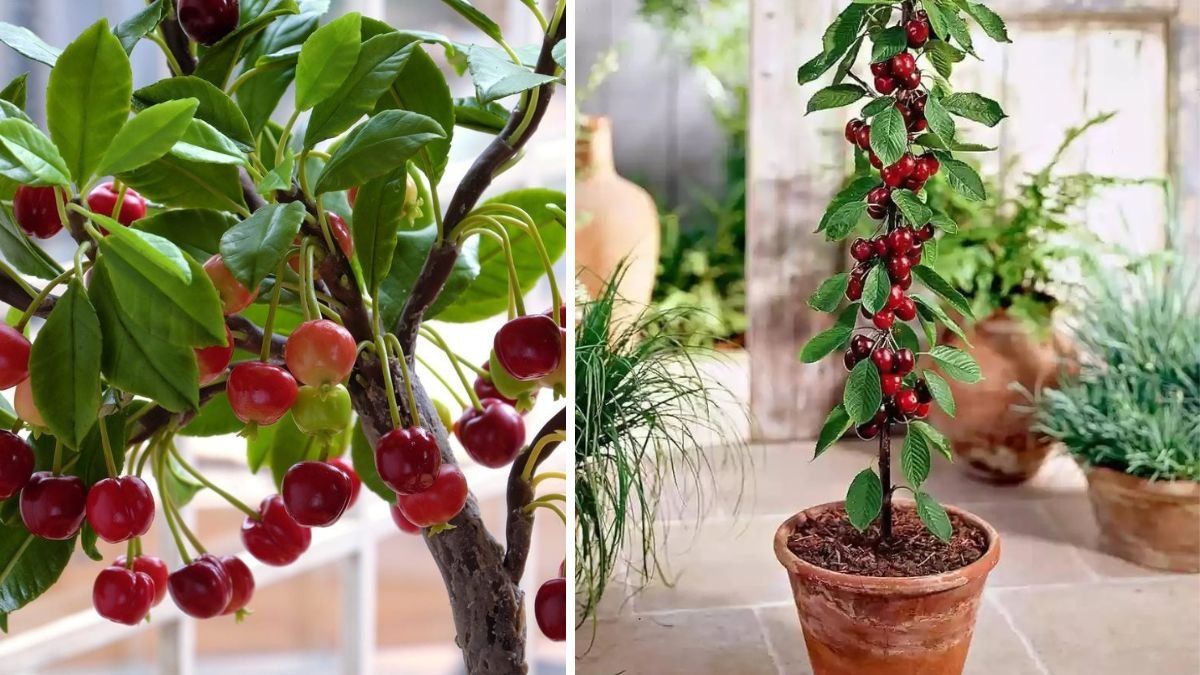
Growing sweet cherries in small spaces can be a fulfilling and rewarding gardening endeavor. If you live in an urban setting or have limited outdoor space, container gardening offers an ideal solution. This guide will walk you through the essentials of growing sweet cherries in containers, from selecting the right varieties to proper care, maintenance, and harvesting.
1. Understanding Sweet Cherries
Sweet cherries (Prunus avium) are beloved for their sweet flavor and versatility. They can be enjoyed fresh, in desserts, or even in savory dishes. When choosing to grow them in containers, it’s crucial to understand their specific needs, particularly their requirements for space, sunlight, and pollination.
Varieties of Sweet Cherries for Containers
When selecting cherry varieties for container gardening, opt for dwarf or semi-dwarf types that grow to a manageable size. Some recommended varieties include:
- Stella: A self-pollinating variety that produces large, sweet cherries with a great flavor.
- Balaton: Known for its deep red color and tart flavor, this variety is a favorite among cherry enthusiasts.
- Compact Stella: A smaller version of Stella, it’s perfect for limited spaces while still yielding a good crop.
2. Choosing the Right Container
The container you choose will significantly affect the growth and health of your cherry tree. Here are some important considerations when selecting a container:
Size
- Dimensions: Choose a container that is at least 18-24 inches in diameter and 24-30 inches deep. This will provide sufficient space for the roots to develop.
- Material: Opt for high-quality materials like clay, terracotta, or sturdy plastic. Ensure the container has drainage holes to prevent waterlogging.
Drainage
Ensure that your container has adequate drainage holes. If you’re using a container without holes, consider adding a layer of gravel at the bottom to improve drainage.
3. Soil Selection and Preparation
Cherry trees thrive in well-draining soil with good aeration. Here’s how to prepare the soil:
Soil Mix
- Quality Potting Mix: Choose a high-quality potting mix designed for fruit trees. This mix generally combines peat, perlite, and compost.
- Soil Amendment: Consider adding organic compost to enhance nutrient content and improve soil structure.
pH Level
Sweet cherries prefer a soil pH of 6.0 to 7.5. Testing your soil’s pH can be helpful. If necessary, you can amend the soil using lime (to raise pH) or sulfur (to lower pH).
4. Planting Your Sweet Cherry Tree
Once you have your container and soil prepared, it’s time to plant your sweet cherry tree.
Planting Steps
- Acclimation: If you purchased a tree from a nursery, allow it to acclimate to outdoor conditions for several days.
- Planting: Place the tree in the center of the container, making sure that the root ball sits slightly above the soil line. Fill in around the roots with potting mix, firming it gently.
- Watering: Water your newly planted tree thoroughly to help settle the soil.
5. Sunlight Requirements
Sweet cherry trees require full sunlight for optimal growth and fruit production. Here’s how to ensure your tree gets enough light:
Sun Exposure
- Placement: Place your container in a location that receives at least 6-8 hours of direct sunlight daily. A south-facing balcony or patio is often ideal.
- Mobility: Since containers are movable, reposition your tree as needed to maximize sunlight exposure.
6. Watering and Fertilizing
Proper watering and fertilizing are critical to the health of your sweet cherry tree.
Watering Schedule
- Consistency: Water consistently, especially during dry spells. The soil should remain moist but not soggy. A good rule of thumb is to check the top inch of soil; if it feels dry, it’s time to water.
- Technique: Water deeply to encourage deep root growth. Use a watering can or a garden hose with a spray attachment to ensure even distribution.
Fertilization
- Type: Use a balanced, slow-release fertilizer specifically formulated for fruit trees. Look for a formula with a ratio suitable for fruit production (like 10-10-10).
- Application: Fertilize in early spring and follow the manufacturer’s instructions for application rates.
7. Pruning and Training
To maintain the health and shape of your sweet cherry tree, regular pruning is essential.
Pruning Technique
- Timing: Prune in late winter or early spring while the tree is still dormant.
- Method: Remove any dead, diseased, or crossing branches. Lightly shape the tree to promote an open canopy for better sunlight penetration.
Training the Tree
Consider using a trellis or stakes to guide the growth of your tree if necessary. This will help manage its size and encourage a better fruiting structure.
8. Pest and Disease Management
Sweet cherries can be susceptible to various pests and diseases, so vigilance is key.
Common Pests
- Spider Mites: Look for fine webbing and small bites on leaves. Treat with neem oil or insecticidal soap.
- Aphids: These will cluster on new growth. Use a strong stream of water or insecticidal soap to dislodge them.
Disease Prevention
- Fungal Diseases: Ensure good airflow around your plant by proper pruning and avoiding overhead watering.
- Root Rot: Avoid overwatering and ensure that your container has excellent drainage.
9. Pollination Requirements
Many sweet cherry trees require cross-pollination for optimal fruit production. Here’s how to manage that:
Pollination Tips
- Plant Multiple Varieties: If space allows, consider planting at least two different varieties to increase successful pollination.
- Pollinator-attracting Plants: Surround your cherry tree with flowering plants to attract pollinators like bees.
10. Harvesting Your Sweet Cherries
After months of care, it’s finally time to enjoy your sweet cherries.
Harvesting Tips
- Timing: Cherries are usually ready for harvest in late spring to early summer, depending on the variety. Look for deep color and a slight softness to the touch.
- Harvest Method: Gently twist the stem of the cherry to detach it from the tree. Avoid pulling, as this can damage the fruit and tree.
FAQs
1. How long does it take for sweet cherries to produce fruit?
Most sweet cherry trees will start producing fruit within 3-5 years after planting, although some dwarf varieties may bear fruit even sooner.
2. Can I grow sweet cherries indoors?
While it’s challenging, you can attempt to grow sweet cherries indoors if you can provide sufficient sunlight (over 6 hours daily) and manage temperature. A grow light can be beneficial.
3. Do I need to worry about winter care for my cherry tree?
In colder climates, protect your container-grown cherry tree from freezing temperatures. You can move it to a sheltered spot or wrap the pot in insulating materials.
4. How often should I fertilize my sweet cherry tree?
Generally, fertilizing in early spring and mid-summer is sufficient. Always follow the guidelines on your fertilizer packaging.
5. What’s the best way to store harvested cherries?
Store harvested cherries in the refrigerator in a breathable bag. They can usually last for a week or more when stored properly.
Conclusion
Growing sweet cherries in small spaces using container gardening techniques is not only possible but can also be completely rewarding. With proper knowledge and care, you can enjoy the fruits of your labor right at your doorstep. Embrace the joy of cultivating your sweet cherries, and enjoy the delicious results for years to come!