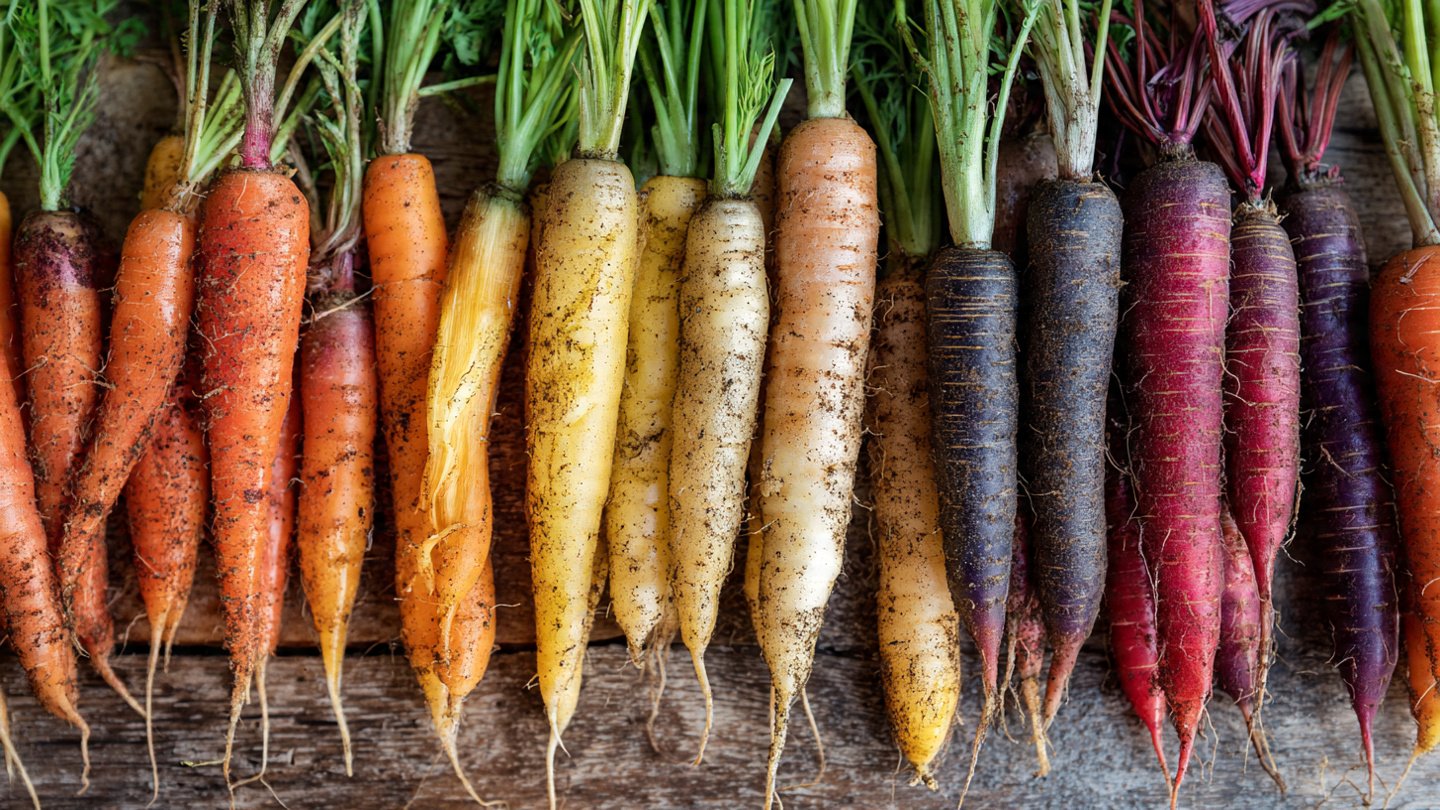
Carrots are a staple vegetable in many households, celebrated not just for their vibrant color and crunchy texture but also for their numerous health benefits. Among the various types of carrots, short carrot varieties have gained popularity due to their compact size, making them easier to grow, harvest, and cook. This guide aims to provide you with innovative techniques to optimize your harvest of short carrots, along with best practices and answers to frequently asked questions.
Understanding Short Carrot Varieties
Short carrot varieties, typically ranging from 4 to 6 inches in length, include:
- Nantes: Smooth, cylindrical roots with a sweet flavor.
- Round Carrots: These are spherical and perfect for container gardening.
- Chantenay: Wider at the top, tapering to a point, and offering a robust taste.
These varieties are excellent choices for gardeners with limited space or for those who prefer a fast-growing crop.
Preparing Your Garden
Choosing the Right Location
Carrots thrive in full sun (at least 6-8 hours a day). Opt for a well-draining location with loose, sandy soil to promote healthy root development. Avoid areas with heavy clay; if that’s your garden’s reality, consider amending your soil with sand or peat moss.
Soil Preparation
-
Soil Testing: Conduct a soil test to determine pH and nutrient levels. The ideal pH for carrots hovers around 6.0 to 6.8.
-
Soil Amendment: Enrich your soil with compost or well-rotted manure. For optimal growth, you may consider adding fertilizer high in potassium and phosphorus.
-
Tilling: Till the soil to a depth of at least 12 inches to break up compaction. This encourages root development.
Container Gardening
If space is limited, short carrot varieties grow well in containers. Choose containers at least 12 inches deep and ensure they have proper drainage holes. Use a soil mix designed for vegetables, which typically includes a combination of peat moss, vermiculite, and compost.
Planting Short Carrots
-
Seed Selection: Choose high-quality seeds from reputable sources, considering factors like disease resistance and flavor.
-
Planting Time: The best time to plant carrots is early spring or late summer for fall harvests. Seedlings are frost-tolerant, but major frosts can hinder growth.
-
Sowing Seeds: Plant seeds 1/4 inch deep and 2 inches apart in rows spaced 12 inches apart. A light dusting of soil or sand helps keep the seeds moist while they germinate.
-
Watering: Water the rows gently to avoid disturbing seeds. Maintain consistent moisture, especially during germination, which can take 14-21 days.
Innovative Techniques for Optimal Growth
Companion Planting
Certain plants, like onions and garlic, can deter pests such as carrot flies. Planting these companions nearby can improve the health and yield of your carrot crop.
Mulching
Applying an organic mulch layer helps maintain soil moisture and temperature, suppresses weeds, and adds nutrients to the soil as it breaks down. Materials like straw or shredded leaves work well.
Thinning Seedlings
Once seedlings are about 1-2 inches tall, thin them to ensure adequate spacing. Proper spacing (2-3 inches apart) reduces competition for nutrients and water and allows the roots to develop fully.
Fertilization and Organic Options
Utilize organic fertilizers such as fish emulsion or seaweed extract to boost growth. Apply twice during the growing season—once when shoots are 3-4 inches tall and again after about 6 weeks.
Pest Control
Common pests like aphids and carrot flies can harm your crop. Use row covers as a barrier during early growth stages. Additionally, natural insect repellents containing neem oil can effectively manage pest populations.
Harvesting Techniques
-
Timing: Short carrot varieties usually reach maturity in approximately 60-80 days. Harvest when roots are uniformly sized and the greens are vibrant.
-
Harvesting: Use a garden fork to gently lift the roots from the ground without bruising them. Pulling directly from the greens may break the tops, so always loosen the soil first.
-
Storage: Store harvested carrots in a cool, dark, and humid environment. A root cellar works well. Alternatively, you can keep them in the refrigerator—just ensure they are unwashed.
Post-Harvest Considerations
Cleaning and Processing
After harvesting, remove excess soil but avoid washing until you’re ready to use them. Store them in perforated plastic bags or damp paper towels to maintain moisture.
Preserving Short Carrots
For longer storage, consider freezing or pickling your harvested carrots. Blanch them before freezing to preserve flavor and texture. Pickling adds variety to your meals and extends shelf life.
Rotational Gardening
Implement a rotational gardening system to prevent soil depletion and control pests. Switch your carrot planting location each year, allowing the soil to rest and replenish nutrients.
Common Challenges and Solutions
Disease Management
Carrots can be susceptible to diseases like Alternaria leaf blight and powdery mildew. Rotating crops, ensuring proper spacing, and maintaining good air circulation can mitigate these risks.
Weather Conditions
Harsh weather can impact growth. Using row covers during unexpected cold spells can protect young plants, while shade cloth can help during heat waves.
Frequently Asked Questions (FAQs)
1. How deep do I need to plant short carrot seeds?
Short carrot seeds should be planted about 1/4 inch deep. Ensure the soil is loose and well-drained for optimal growth.
2. How often should I water short carrots?
Keep the soil consistently moist, especially during germination. Water 1-2 inches per week, ensuring the soil doesn’t dry out completely.
3. Can I grow short carrots in shade?
While short carrot varieties can grow with some shade, full sunlight (6-8 hours a day) is ideal for sweeter and more developed roots.
4. What is the ideal temperature for growing carrots?
Carrots thrive in cooler temperatures, ideally between 60°F to 70°F (15°C to 21°C). Consider fall planting for optimal growth.
5. How can I prevent pests from damaging my carrot crop?
Use row covers, practice companion planting, and regularly monitor for pests. Organic repellents can also help deter harmful insects.
Conclusion
Growing short carrot varieties can be an immensely rewarding endeavor, particularly when employing innovative techniques to optimize growth and harvest. With careful planning and attention to detail, gardeners can enjoy a bountiful yield that not only satisfies the palate but also enhances their home gardens’ productivity. Whether you choose to grow in a garden bed or a container, these tips can help you cultivate beautiful, delicious carrots that bring joy to your kitchen year-round. Happy gardening!