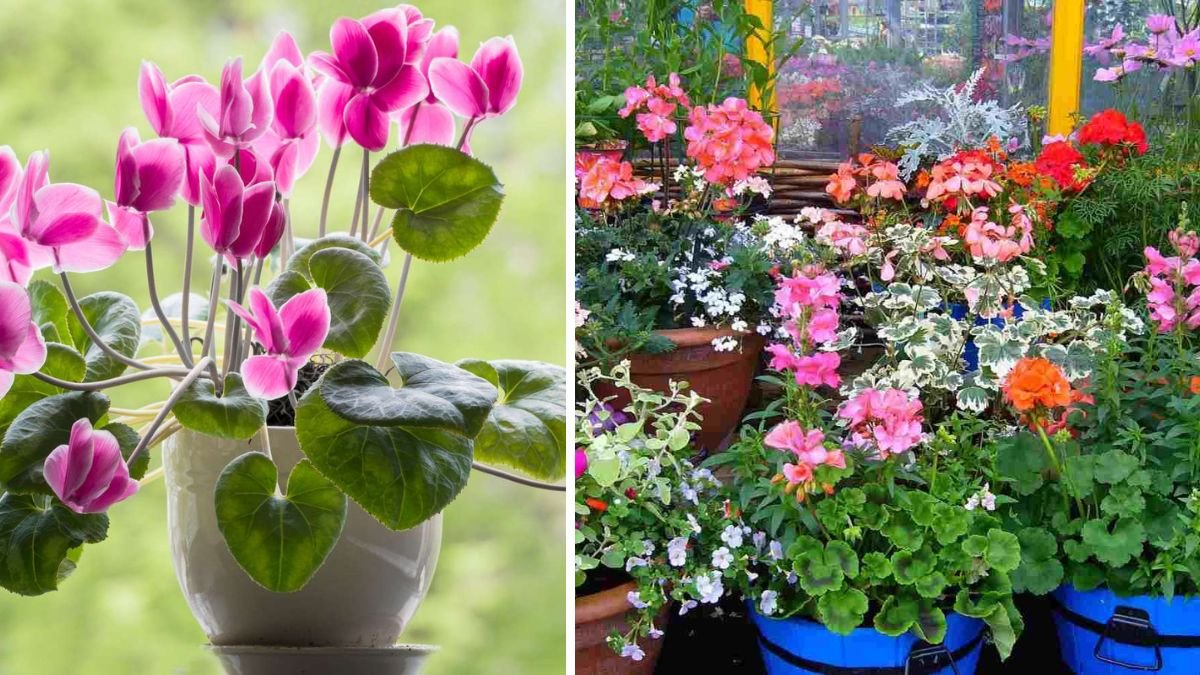
Indoor flowering plants can breathe life into your living space, offering vibrant colors and delightful fragrances. Whether you’re a seasoned gardener or a novice, understanding the essentials of growing these beautiful plants can lead to a fulfilling experience. This guide will cover everything you need to know, from selecting the right plants to ideal growing conditions and common pitfalls.
1. Selecting the Right Indoor Flowering Plants
Popular Choices
-
African Violets (Saintpaulia)
- Light Requirements: Medium to bright indirect light.
- Blooming Season: Year-round with proper care.
- Notes: They thrive in humidity and prefer consistent watering.
-
Peace Lily (Spathiphyllum)
- Light Requirements: Low to bright indirect light.
- Blooming Season: Spring and summer.
- Notes: They’re known for their air-purifying properties.
-
Orchids (Phalaenopsis)
- Light Requirements: Bright, indirect light.
- Blooming Season: Two to three times a year.
- Notes: They require a unique potting mix and careful watering.
-
Begonias
- Light Requirements: Bright, indirect light.
- Blooming Season: Summer and fall.
- Notes: They enjoy humidity and should be in a well-draining pot.
-
Kalanchoe
- Light Requirements: Bright light, direct sunlight is ideal.
- Blooming Season: Winter to early spring.
- Notes: They prefer drier conditions and minimal watering.
Factors to Consider
- Light Availability: Assess how much natural light your space receives.
- Humidity Levels: Some plants need more humidity; consider the environment in which you live.
- Care Requirements: Beginners may benefit from low-maintenance plants like Peace Lilies or Begonias.
2. Creating the Ideal Environment
Light
- Natural Light: Most indoor flowering plants prefer bright, indirect sunlight. Place plants near south or west-facing windows.
- Artificial Light: If natural light is insufficient, consider using grow lights. Full-spectrum LED grow lights are ideal for simulating sunlight and promoting healthy growth.
Temperature
- Ideal Range: Most flowering plants thrive in temperatures between 65°F and 75°F (18°C – 24°C).
- Nighttime: A slight drop in temperature during the night can promote blooming.
Humidity
- Levels: Many flowering plants appreciate humidity levels above 50%. Consider using a humidifier, pebble trays, or misting your plants regularly.
- Grouping Plants: Clustering plants together can also help increase humidity levels.
Air Circulation
- Importance: Good air circulation prevents mold and pests from developing. Avoid placing plants in stagnant air.
3. Soil and Fertilization
Choosing the Right Soil
- Well-Draining Mix: A good potting mix should have excellent drainage. Consider using a blend of peat moss, perlite, and orchid bark for orchids.
- pH Level: Most indoor flowering plants prefer a slightly acidic to neutral pH (6.0-7.0).
Fertilization
- Balanced Nutrients: Use a balanced fertilizer (like 20-20-20) during the growing season (spring and summer).
- Frequency: Feed every 4-6 weeks for most flowering plants, but read specific care requirements for each plant.
4. Watering Effectively
Watering Techniques
- Consistent Moisture: Most flowering plants prefer the soil to be consistently moist but not soggy.
- Check the Soil: Always check the top inch of soil to see if it’s dry before watering. Overwatering can lead to root rot.
Seasonality
- Adjusting Watering Frequency: During the blooming season, plants may require more water. Conversely, reduce watering during winter months when growth slows.
5. Pruning and Maintenance
Regular Pruning
- Deadheading: Remove spent flowers to encourage new blooms and prevent the plant from using energy on developing seeds.
- Leaf Care: Remove yellowed or damaged leaves to maintain plant health.
Pest Control
- Common Pests: Look out for aphids, spider mites, and mealybugs.
- Natural Remedies: Use insecticidal soap or neem oil as natural pest deterrents.
6. Propagation Techniques
Common Methods
- Cuttings: Many flowering plants can be propagated from cuttings. Ensure you have clean, sharp scissors and take healthy stems.
- Division: For plants like Begonias, division can create new plants. Separate clumps carefully during repotting.
Timing
- Best Season: Spring is often the best time for propagating indoor flowering plants, as they enter their active growth period.
7. Common Challenges and Solutions
Overwatering
- Signs: Yellow leaves, moldy soil.
- Solution: Allow the plant to dry out and adjust watering frequency.
Lack of Blooms
- Causes: Insufficient light, improper fertilization, or stress.
- Solutions: Ensure proper light conditions and adjust fertilization schedule.
Pest Infestations
- Signs: Visible pests, discolored leaves.
- Solutions: Isolate affected plants and treat with insecticidal soap or neem oil.
8. FAQs
Q1: How often should I water my indoor flowering plants?
Watering frequency can vary based on the plant type, but generally, water when the top inch of soil is dry. Most indoor flowering plants require weekly watering, but always check each specific plant’s needs.
Q2: What kind of fertilizer should I use?
A balanced, water-soluble fertilizer (like 20-20-20) diluted to half strength is ideal. Fertilize during the growing season (spring and summer) every 4-6 weeks.
Q3: Why isn’t my plant blooming?
Common reasons a plant may not bloom include insufficient light, under-fertilization, or over-crowded roots. Ensure proper light exposure and fertilization, and consider repotting if the roots have outgrown their current pot.
Q4: How can I increase humidity for my indoor plants?
You can increase humidity by misting your plants, using a humidifier, placing plants on a pebble tray filled with water, or grouping them together.
Q5: Can some indoor flowering plants survive in low light?
Yes, certain plants like Peace Lilies and African Violets can thrive in low-light conditions, although their blooming may be limited.
Q6: What should I do if my plant has pests?
Isolate the affected plant immediately. Consider using natural pest deterrents, such as neem oil or insecticidal soap, and regularly inspect your plants.
Q7: How can I tell if I’m overwatering my plants?
Symptoms of overwatering include yellowing leaves, moldy soil, and a musty smell. Ensure there’s adequate drainage in the pot, and let the soil dry out between watering sessions.
Conclusion
Growing indoor flowering plants can be a rewarding experience that enhances your home’s beauty and atmosphere. With the right knowledge and care, these plants can thrive and bring joy year-round. From selecting the right species to providing optimal growing conditions, this guide offers the essential steps for every indoor gardener. Happy planting!