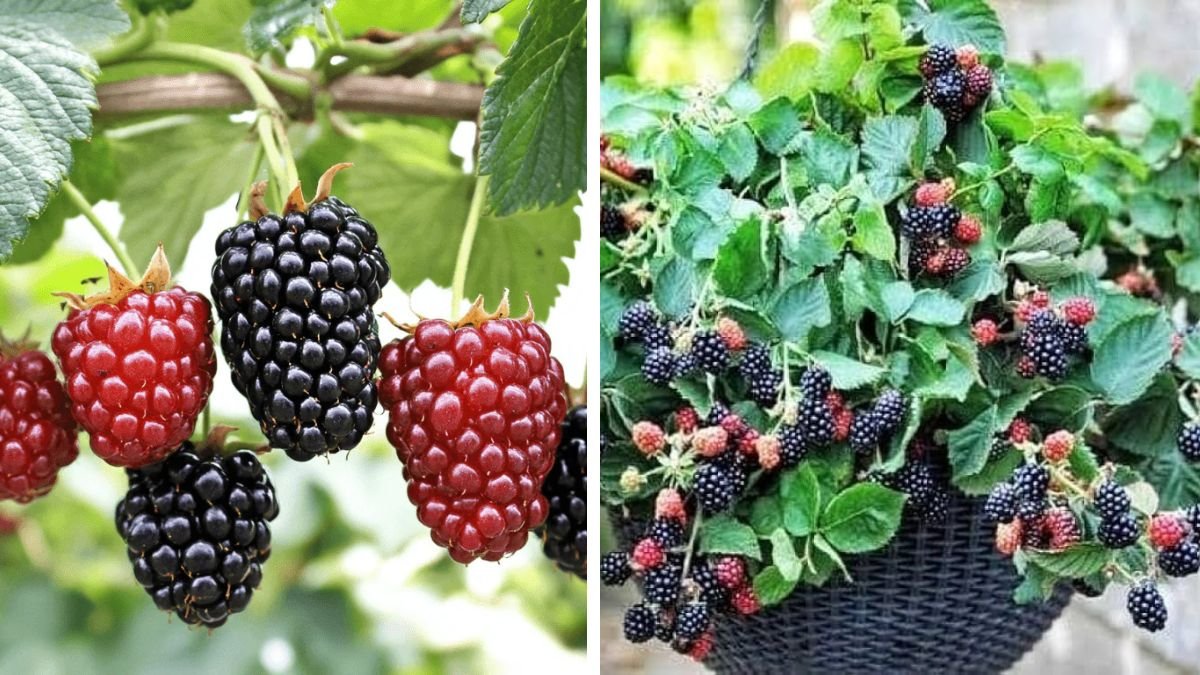
Blackberries are a delightful addition to any garden, offering sweet, juicy berries that can be enjoyed fresh, in jams, or as an ingredient in various recipes. Aside from their delicious flavor, blackberry bushes are hardy plants that can thrive in a variety of climates and conditions. This guide will take you through everything you need to know to grow healthy blackberry bushes using organic methods and sustainable practices.
1. Choosing the Right Varieties
When it comes to growing blackberries, selecting the right variety is crucial. There are two main types of blackberry bushes:
- Thorny Varieties: These are traditional blackberry plants with thorns. They tend to be more resilient and typically produce larger berries.
- Thornless Varieties: Easier to manage and harvest, thornless blackberries are popular among home gardeners. They still produce flavorful fruit without the hassle of thorns.
Some popular varieties include:
- Boysenberry: A hybrid known for large, sweet fruits.
- Triple Crown: Thornless and a heavy producer, great for colder climates.
- Marionberry: Often considered the “Cabernet of Blackberries,” it has a unique flavor profile.
Choose a variety that suits your climate and the space you have available—some plants are more expansive than others.
2. Site Preparation
Blackberry bushes prefer well-draining soil with high organic content. Here’s a step-by-step approach to preparing your site:
Soil Testing
- Conduct a Soil Test: Determine the pH and nutrient levels. Blackberries thrive in slightly acidic to neutral soil (pH 6.0 to 7.0).
Soil Amendments
- Amend as Necessary: If your soil is lacking, consider adding organic compost, well-rotted manure, or a mixture of both to enhance fertility.
Location
- Choose the Right Spot: Blackberries need at least 6 to 8 hours of sunlight each day. Look for a location that is protected from strong winds, as this will help the plants thrive.
Drainage
- Ensure Good Drainage: If the area tends to retain water, consider raising the planting beds or creating mounds to prevent root rot.
3. Planting Blackberries
Once your site is prepared, it’s time to plant your blackberry bushes. Timing is important; the best time to plant is in early spring, after the last frost.
Planting Steps
- Create Rows: Space your rows 3-4 feet apart to allow for air circulation and easy access.
- Dig Holes: Make holes that are slightly larger than the root ball of your plants.
- Plant with Care: Place the plant in the hole, ensuring the crown (where the roots meet the stems) is level with the soil surface. Backfill with soil and water thoroughly.
Mulching
After planting, add a layer of organic mulch (like wood chips or straw) around the base to retain moisture and suppress weeds.
4. Watering and Maintenance
Maintaining the health of your blackberry bushes requires regular attention, particularly to watering and care.
Watering
- Consistent Moisture: Blackberries need 1-2 inches of water per week, especially during the growing and fruiting seasons. Use drip irrigation or soaker hoses to provide consistent moisture while conserving water.
Pruning
- Annual Pruning: Prune your blackberry bushes during their dormant season (late winter). Remove dead or weak canes to encourage new growth. For thornless varieties, thin canes to allow for better air circulation.
- Training Canes: Train canes to grow on a trellis or support system for better fruit production and easier harvesting.
5. Organic Pest and Disease Management
Like any crop, blackberries can be susceptible to pests and diseases. Using organic methods for pest management not only keeps your plants healthy but also protects the environment.
Common Pests
- Aphids: These can be managed using neem oil or introducing beneficial insects like ladybugs.
- Spider Mites: Increase humidity around the plants and rinse them off with water.
Fungal Diseases
- Powdery Mildew: This is common in warm, dry conditions. Manage it through proper watering and spacing for air circulation. Organic fungicides are available if the problem persists.
Weeds
- Hand Weeding: Regular hand weeding or mulching helps manage weed growth without the use of chemicals.
6. Harvesting Blackberries
Blackberries typically ripen in mid-summer to early fall. Here’s how to determine when they’re ready to be harvested:
- Color Check: Look for fully developed, shiny, dark-colored berries.
- Gentle Squeeze: Ripe berries will easily come off their stems when gently squeezed but should not be overly soft.
- Harvesting Method: Use gloves if you’re harvesting thorny varieties. Harvest in the morning when humidity is low to prevent bruising.
7. Storage and Preservation
Blackberries can be consumed fresh or preserved for later use. Here are some tips:
Fresh Storage
- Refrigeration: Store unwashed blackberries in the fridge in a breathable container. They can last up to a week if properly stored.
Long-Term Preservation
- Freezing: Wash and dry the berries, then spread them out on a baking sheet to freeze individually before transferring them to freezer bags. This prevents them from clumping together.
- Canning and Jamming: Blackberries can also be made into jams or jellies through traditional canning methods.
8. Sustainable Practices in Blackberry Cultivation
Sustainable practices not only benefit your garden but also promote a healthier ecosystem. Here’s how you can ensure your blackberry cultivation is sustainable:
Crop Diversification
- Companion Planting: Grow herbs like basil and mint nearby to repel pests naturally and attract beneficial insects.
Soil Health
- Cover Crops: Plant cover crops such as clover or vetch in the offseason to improve soil health and provide nutrients.
Water Conservation
- Rainwater Harvesting: Consider installing a rain barrel to collect rainwater for irrigation, reducing your reliance on municipal water sources.
Organic Certifications
- Organic Practices: If you plan to sell your blackberries, look into obtaining organic certification to appeal to environmentally conscious consumers.
FAQs
Q1: How often should I prune my blackberry bushes?
A: Annual pruning during late winter is advisable. Remove any dead or weak canes and thin out crowded areas to promote airflow.
Q2: Can blackberries grow in pots?
A: Yes, but make sure to choose a large enough pot (at least 5 gallons) and use high-quality potting soil. Ensure the pot has drainage holes to prevent root rot.
Q3: What should I do if my blackberries are not producing fruit?
A: Ensure they are receiving adequate sunlight, water, and nutrients. Check for pests or diseases and consider the age of the plant, as some varieties may take a couple of years to bear fruit.
Q4: What is the best way to prune thorny versus thornless varieties?
A: For thorny varieties, prune back to the ground each year to promote new, productive growth. For thornless varieties, thin canes to maintain a manageable structure and enhance air circulation.
Q5: How can I tell when blackberries are ripe?
A: Ripe blackberries will be dark in color, plump, and easily separate from the stem with a gentle squeeze. Avoid harvesting unripe or overly soft berries.
Q6: Do I need to use fertilizers for my blackberry bushes?
A: While blackberries prefer rich, organic soil, you may need to apply organic fertilizers if your soil test indicates nutrient deficiencies. Compost is an excellent choice for ongoing nutrition.
Q7: Are there any diseases specific to blackberries that I should watch for?
A: Yes, monitor for diseases like anthracnose and septoria leaf spot. Proper spacing, watering practices, and sanitary measures like cleaning tools can help mitigate these risks.
In conclusion, growing hardy blackberry bushes using organic methods can yield delicious fruits while contributing positively to the environment. By following these guidelines and incorporating sustainable practices, you’ll maximize your enjoyment and harvest. Happy gardening!