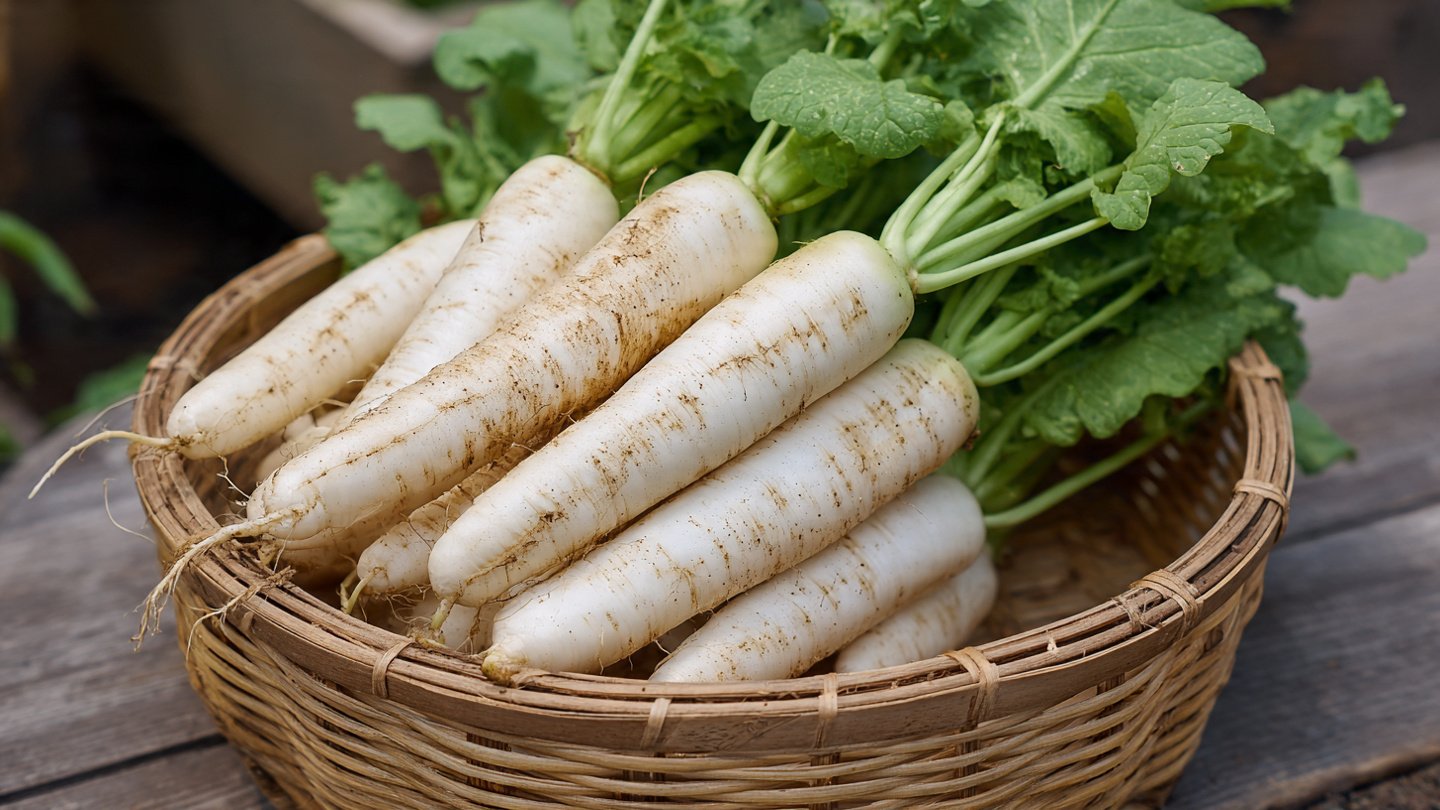
Gardening is an enriching and fulfilling hobby that allows enthusiasts to connect with nature and grow their own food. Among the myriad of vegetables one can grow, the daikon radish, particularly the mini variety, stands out due to its unique flavor, vibrant texture, and versatility in the kitchen. This guide delves into everything you need to know about growing mini daikon radishes, from preparation to harvesting, including tips for enhancing your gardening success.
What is Daikon?
Daikon, also known as the Japanese radish or white radish, belongs to the Brassicaceae family, which includes cabbages, kale, and mustard. It’s a long, white root vegetable that has a milder taste compared to its red radish counterparts. The mini variety offers all the great characteristics of the full-sized daikon but in a smaller, more manageable form, making it perfect for home gardens.
Benefits of Growing Daikon Mini Variety
- Space Efficient: The mini variety requires less space, making it ideal for small gardens or containers.
- Quick Growth Cycle: Daikon can be harvested in as little as 30 days, allowing for multiple plantings in one season.
- Nutrient-Rich: Daikon is high in vitamin C, potassium, and digestive enzymes, making it a healthy addition to your diet.
- Versatile Use: Mini daikon can be used in salads, pickled, or cooked, offering versatility in meal preparation.
Preparing for Planting
1. Soil Requirements
Daikon radishes thrive in well-drained, loamy soil with a pH between 6.0 and 7.5. Prepare your garden beds by:
- Testing Soil: Conduct a soil test to determine pH and nutrient levels.
- Amending Soil: Incorporate organic matter, such as compost or well-rotted manure, to improve soil fertility and drainage.
2. Sunlight and Temperature
Daikon prefers full sun, which means at least 6-8 hours of sunlight daily. These radishes show optimum growth in cooler temperatures, ideally between 55°F and 75°F (13°C to 24°C). Avoid planting during hot summer months to prevent bolting.
3. Choosing the Right Variety
While there are many types of daikon, the mini variety is particularly suitable for home gardeners. Look for seeds that are specifically labeled as “mini daikon” or “baby daikon,” which grow to a compact size and produce flavorful roots.
Sowing Seeds
1. When to Plant
Daikon can be sown in spring for a summer harvest or in late summer for a fall harvest. In temperate climates, late summer is often the best time to plant mini daikon, as cooler temperatures enhance flavor.
2. How to Sow
- Spacing: Sow seeds about ½ inch deep and 2-4 inches apart in rows spaced 12-18 inches apart.
- Watering: Water the soil gently after sowing to ensure seed adhesion but avoid over-saturating.
- Thinning: Once seedlings are about 2 inches tall, thin them to every 3-4 inches apart to provide ample growing space.
Care and Maintenance
1. Watering
Maintain consistent moisture for optimal growth. Water thoroughly once a week, especially during dry periods. Ensure the soil remains moist but not waterlogged to prevent rot.
2. Fertilization
Feed your mini daikon radishes every few weeks with a balanced, organic fertilizer. Avoid high nitrogen fertilizers, as they can promote leaf growth at the expense of root development.
3. Pest and Disease Management
Common pests include aphids and flea beetles. Consider companion planting or organic pest control methods to manage infestations. Rotate crops each season to minimize disease risk.
4. Weeding
Regularly remove weeds to reduce competition for nutrients and water. Use mulch to suppress weed growth while helping retain soil moisture.
Harvesting Mini Daikon
Daikon mini radishes are typically ready to harvest 30-60 days after sowing, depending on growing conditions. Signs that your radishes are ready include:
- Size: The roots should be about 3-4 inches long.
- Color: Look for a clean, white appearance with firm texture.
To harvest, gently pull the radishes from the soil. Avoid using a fork or spade, as this can damage the roots.
Post-Harvest Care
Once harvested, rinse radishes under cool water to remove soil, and dry them gently. Store mini daikon in the refrigerator, where they can keep fresh for up to a month.
Culinary Uses
Mini daikon radishes are incredibly versatile in the kitchen:
- Raw: Slice thinly for salads, or grate into slaw.
- Pickled: Quick-pickled daikon makes for a zesty side dish.
- Cooked: Use in stir-fries, soups, or roasted dishes for a delicious flavor.
FAQs
Q1: Can I grow mini daikon radishes in pots?
A1: Yes, mini daikon radishes are ideal for container gardening. Choose a pot that is at least 12 inches deep and ensure good drainage.
Q2: How often should I water daikon radishes?
A2: Water your daikon radishes deeply once a week, ensuring the soil remains consistently moist but not soggy.
Q3: What are some common pests that affect daikon radishes?
A3: Common pests include aphids, flea beetles, and root maggots. Monitor your plants regularly and apply organic pest control measures as needed.
Q4: Can I grow daikon radishes in shade?
A4: Daikon radishes prefer full sun but can tolerate partial shade. However, their growth may be stunted in low-light conditions.
Q5: How can I improve my radish harvest yield?
A5: Ensure proper spacing to reduce competition, maintain consistent watering, and use quality seeds. Crop rotation and good soil management practices also contribute to better yields.
Conclusion
Growing mini daikon radishes is an excellent way for garden enthusiasts to engage with their favorite hobby while producing nutritious and delicious vegetables. With the right preparation, care, and attention, you can enjoy a bountiful harvest and explore numerous culinary options. Whether in a confined urban garden or a sprawling backyard, mini daikon is sure to add zest to your gardening adventure. Happy growing!