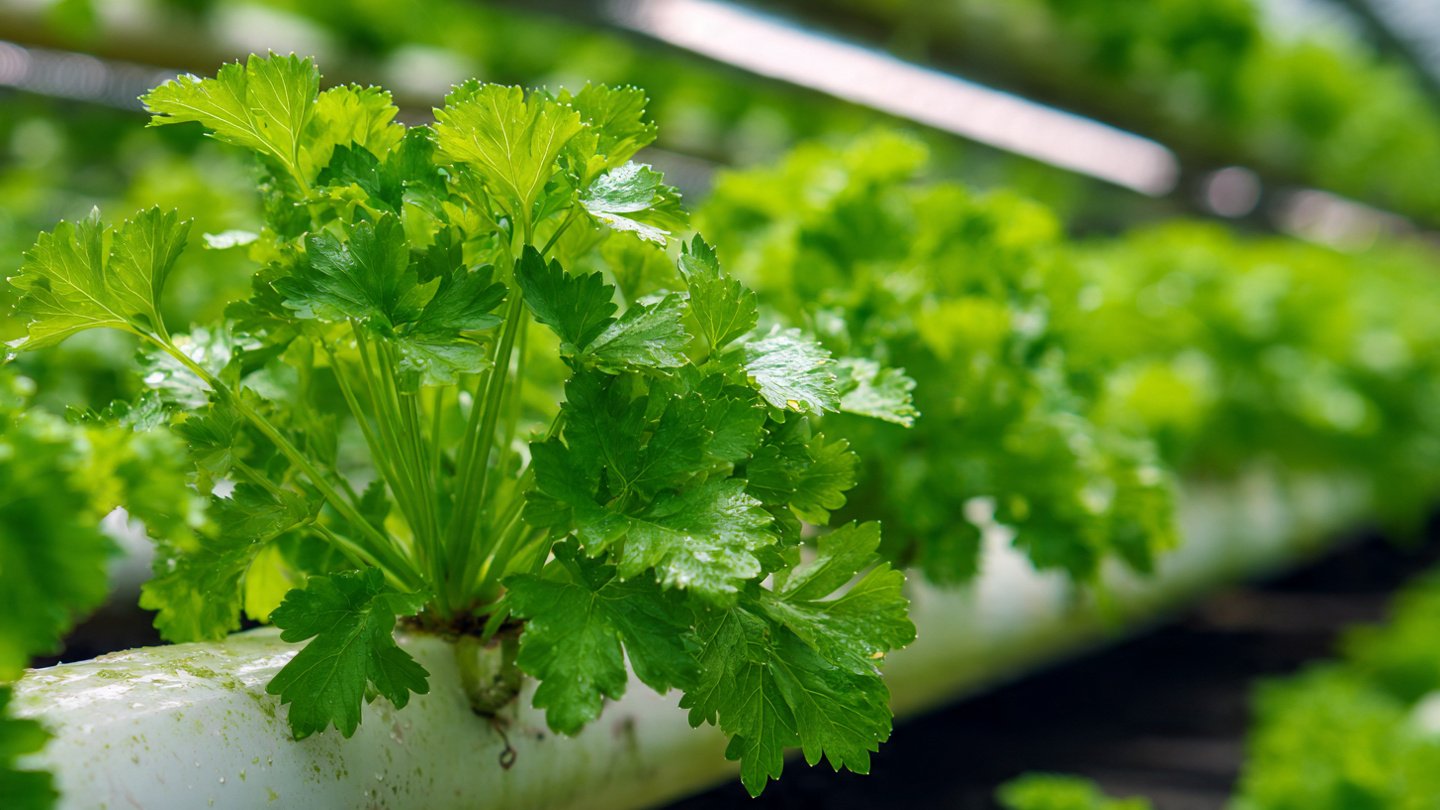
Celery (Apium graveolens) is a versatile vegetable known for its refreshing crunch and is a staple in many kitchens. Growing celery can be incredibly rewarding, especially when you employ smart gardening techniques that allow for continuous harvest throughout the growing season. In this guide, we’ll explore everything from selecting the right cultivar to advanced growing techniques that maximize your yield.
1. Understanding Celery: An Overview
Celery is a member of the Apiaceae family, which includes carrots, parsley, and fennel. It’s a cool-season crop, thriving best in temperate climates. Understanding its growth requirements is crucial for successful cultivation.
1.1 Plant Requirements
- Light: Celery prefers full sun but can tolerate partial shade.
- Soil: Rich, well-draining soil with a pH of 6.0 to 7.0 encourages robust growth. Celery enjoys high organic content, so incorporating compost or well-rotted manure is beneficial.
- Water: Celery requires consistent moisture; dry spells can lead to bitter-tasting stalks.
1.2 Health Benefits
Celery is low in calories but rich in vitamins A, C, and K, as well as folate and potassium. Its high water content makes it a hydrating food choice, perfect for snacking or in salads.
2. Selecting Cultivars for Continuous Harvest
Different cultivars have different growth habits, maturity timelines, and flavors. For continuous harvesting, consider the following:
2.1 Varieties of Celery
- Traditional Types: Varieties like “Golden Self-Blanching” and “Pascal” are popular but may require longer growing seasons.
- Cutting Celery: Varieties like “Celery ‘Cutting’ or ‘China’ Celery” can be harvested multiple times, cutting stems as needed while allowing the plant to continue growing.
2.2 Timing Your Planting
- Staggered Planting: Plant seeds every 2-3 weeks for a continuous supply of fresh celery.
- Succession Planting: Integrate various cultivars that mature at different times to maintain a regular harvest throughout the season.
3. Starting Celery Seeds
3.1 Seed Starting Indoors
Start seeds indoors 10-12 weeks before your last expected frost date.
- Containers: Use seed trays or small pots with good drainage.
- Soil: A seed-starting mix provides the necessary fine texture.
- Light: Provide 14-16 hours of light using grow lights or near a sunny window.
3.2 Transplanting Outdoors
Once seedlings have 4-5 true leaves and the danger of frost has passed:
- Hardening Off: Gradually acclimate seedlings to outdoor conditions over a week.
- Spacing: Transplant seedlings 8-10 inches apart in rows that are 24-36 inches apart.
4. Caring for Your Celery Plants
4.1 Watering
Celery needs consistent moisture, ideally 1-2 inches of water per week. Maintaining soil moisture is vital; consider using mulch to reduce evaporation and keep roots cool.
4.2 Fertilizing
Use an all-purpose fertilizer high in nitrogen (N) to promote lush, green growth. Fertilize every 4-6 weeks, especially once the plants start to grow more rapidly.
4.3 Pest Management
Common pests include aphids, slugs, and spider mites:
- Natural Predators: Encourage beneficial insects like ladybugs by planting companion herbs such as dill or parsley.
- Organic Treatments: Neem oil or insecticidal soap can effectively manage pest populations.
4.4 Weed Control
Weeds compete for moisture and nutrients. Keep the area around celery clear:
- Mulching: Organic mulch such as straw or wood chips can suppress weed growth while retaining moisture.
- Hand Weeding: Regular hand weeding is preferred to avoid disturbing celery roots.
5. Harvesting Celery
Celery can be harvested at different stages depending on your needs and preference.
5.1 Timing and Techniques
- Early Harvest: Begin harvesting stalks when they are about 6-8 inches long. Cut individual stalks as needed.
- Full Harvest: When the plant reaches about 12-14 inches, cut the entire plant at soil level. This method is suitable for larger cultivars.
5.2 Post-Harvest Care
After harvesting, celery can be stored in the refrigerator for several weeks. Wrap stalks in a damp paper towel and place them in a plastic bag to maintain moisture.
6. Smart Gardening Techniques for Continuous Harvest
6.1 Container Gardening
If garden space is limited, growing celery in containers can be an excellent option. Ensure pots are at least 12 inches deep to accommodate root growth.
6.2 Hydroponics
Hydroponic systems allow celery to grow in nutrient-rich water solutions without soil. This method can lead to faster growth rates and fewer pests.
6.3 Agroecological Practices
- Crop Rotation: Avoid planting celery in the same place year after year to reduce pest and disease risks.
- Companion Planting: Pair celery with plants like tomatoes or beans that can help repel pests and enhance growth.
6.4 Vertical Gardening
Using trellises or vertical planters can maximize space utilization while improving air circulation around plants.
7. FAQs
7.1 How long does it take for celery to grow?
Celery typically takes 3-4 months to reach maturity, depending on the variety and growing conditions.
7.2 Can I grow celery from kitchen scraps?
Yes, you can regrow celery from the base of the stalks. Place the base in a shallow bowl of water until roots emerge, then transplant it into soil.
7.3 Why are my celery stalks thin and bitter?
Thin, bitter stalks may be a result of inconsistent watering or stressed plants. Ensure the soil remains consistently moist and provide adequate nutrients.
7.4 Is it necessary to blanch celery?
Blanching celery (covering the stalks with soil or material to block sunlight) can reduce bitterness and create a milder flavor. This is optional but can enhance taste.
7.5 How can I store celery for later use?
Wrap celery in aluminum foil or a damp paper towel and keep it in the vegetable crisper of your refrigerator for optimal freshness.
Conclusion
Growing celery can be a fulfilling endeavor. By employing smart gardening techniques and selecting the right cultivars, you can enjoy fresh celery harvests throughout the growing season. Whether you’re an experienced gardener or a beginner, this guide should equip you with the knowledge needed to cultivate celery successfully. Happy gardening!