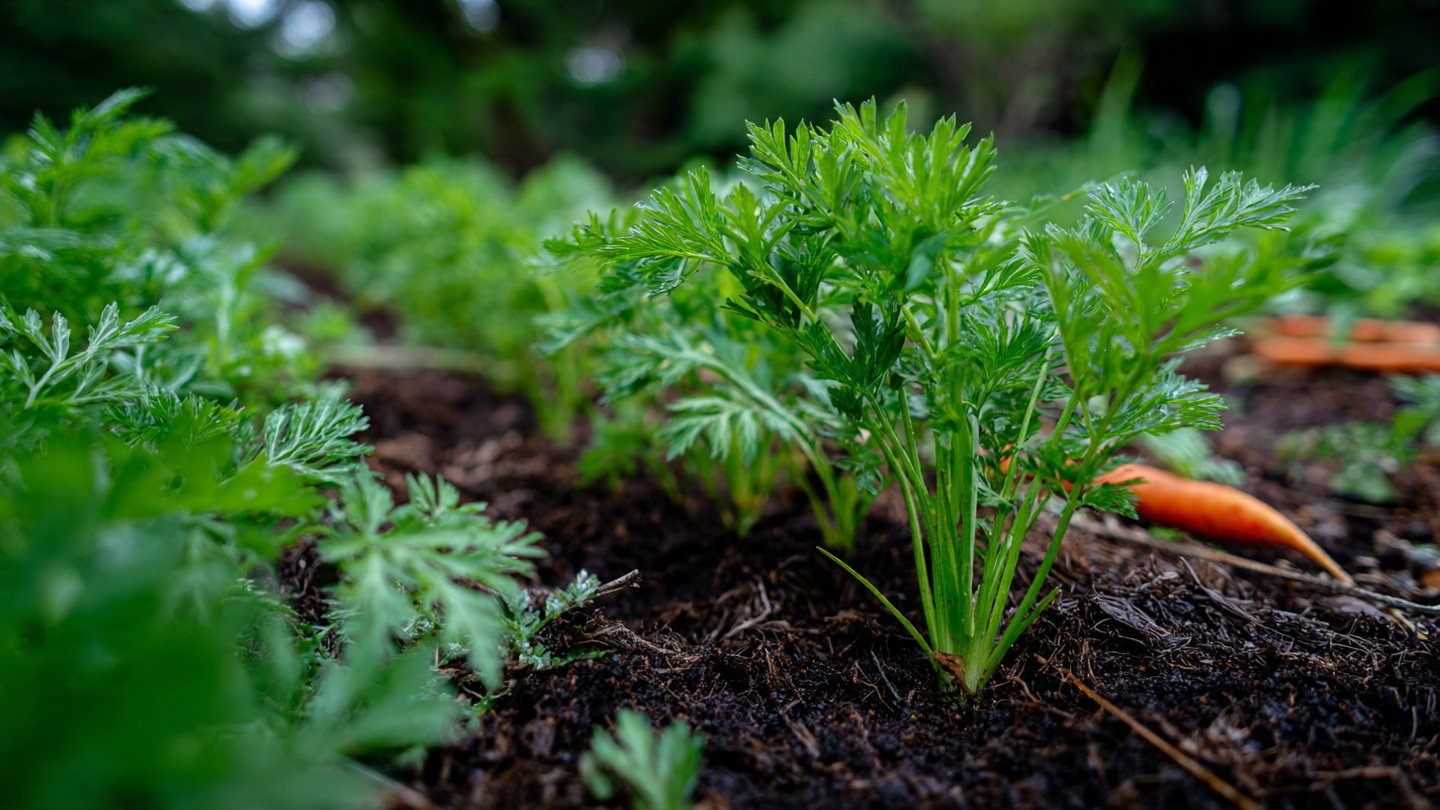
Carrots are often celebrated for their crunchy, orange taproots, which are a staple in many kitchens. However, the greens of the carrot plant, often overlooked, are equally remarkable. Carrot greens, or carrot tops, are not only edible but also nutritious and versatile. This guide will explore how to grow carrot greens effectively, tips for their care, harvesting, culinary uses, and frequently asked questions.
Understanding Carrot Greens
What Are Carrot Greens?
Carrot greens are the feathery, green tops that emerge from carrot seeds. These greens are rich in vitamins A and C, calcium, and several other nutrients. They have a mild, slightly sweet flavor reminiscent of parsley, making them a great addition to salads, pestos, and other dishes.
Why Grow Carrot Greens?
- Nutrition: They are packed with vitamins and minerals.
- Culinary Uses: Carrot greens can be used in various dishes, enhancing flavor and nutrition.
- Reduced Waste: Utilizing the whole plant reduces waste and maximizes your harvest.
- Aesthetics: Their vibrant green foliage adds beauty to your garden or kitchen.
How to Grow Carrot Greens
Growing carrot greens is an enjoyable endeavor that can be undertaken in a home garden, container, or raised bed. Below are the steps to ensure a bountiful harvest.
1. Choosing the Right Seeds
When selecting seeds, you should choose carrot varieties that denote “bushy” or “leafy” traits to ensure you get plenty of greens. Some popular options include:
- Nantes: Known for their fine-textured leaves and sweet roots.
- Danvers: A robust variety with strong green tops.
- Imperator: Tall and leafy, ideal for generating ample greens.
2. Sowing Seeds
Timing
- Spring Planting: Carrots are typically sown in early spring, as they require cool conditions for growth.
- Fall Planting: In warmer areas, you can also plant in late summer for a fall harvest.
Process
- Soil Preparation: Choose a well-draining spot rich in organic matter. Carrots prefer sandy loam soil that has a pH of 6.0 to 6.8.
- Sowing Depth: Sow seeds ¼ to ½ inch deep, spaced about an inch apart.
- Row Spacing: Plant in rows spaced 12 to 18 inches apart to allow ample air circulation.
3. Care and Maintenance
Watering
Carrots require consistent moisture for the best growth. Water the plants regularly, especially during dry spells, ensuring that the soil remains moist but not soggy.
Thinning
Once seedlings reach about 2 inches in height, thin them to stand about 2-4 inches apart. This process ensures that plants have adequate space to grow and allows for better air circulation.
Fertilization
Carrots benefit from a balanced fertilizer. A low-nitrogen fertilizer should be applied a few weeks after germination to stimulate leaf growth without compromising root development.
4. Pest and Disease Management
Common Pests
- Carrot Flies: These pests can damage both roots and greens. Use row covers to protect plants.
- Aphids: These tiny insects can cluster on the leaves. Regularly inspect and use insecticidal soap if necessary.
Diseases
- Fungal Infections: Ensure proper air circulation and avoid overhead watering to prevent issues like downy mildew.
- Root Rot: Rotate crops each year and ensure well-draining soil to minimize root problems.
Harvesting Carrot Greens
When to Harvest
Carrot greens can be harvested throughout the growing season. Generally, you should start harvesting once plants are about 6 inches tall. This will encourage the plant to produce more foliage.
How to Harvest
- Use scissors or garden shears to cut the greens, leaving about an inch of the stem attached to the plant to promote new growth.
- Aim to harvest during the cooler parts of the day, such as early morning or late afternoon, to preserve freshness.
Culinary Uses for Carrot Greens
Carrot greens are versatile and can be used in various culinary applications:
- Salads: Chop fresh carrot greens and toss them into salads for extra flavor.
- Pesto: Blend carrot greens with nuts, garlic, cheese, and olive oil for a delicious twist on traditional pesto.
- Soups and Stews: Add to vegetable soups or stews for enhanced nutrition and flavor.
- Smoothies: Blend a handful into your morning smoothie for a nutrient boost.
- Garnish: Use as a beautiful and flavorful garnish on a variety of dishes.
Storage Tips
To keep carrot greens fresh after harvest:
- Wash and Dry: Gently rinse greens in cold water and pat dry.
- Storage: Store in a plastic bag or container, removing as much air as possible. Keep in the fridge where they can last for up to a week.
- Freezing: For longer-term storage, blanch and freeze greens to maintain their flavor and nutrients.
Frequently Asked Questions
1. Can I eat carrot greens?
Yes, carrot greens are edible and can be used in various recipes. They are rich in nutrients and can enhance the flavor of many dishes.
2. How do I know when to harvest carrot greens?
You can start harvesting carrot greens once they reach about 6 inches in height. Regular harvesting can encourage the plant to produce more leaves.
3. Are carrot greens safe to eat?
Carrot greens are safe to eat for most people. However, if you have specific allergies to plants in the Apiaceae family, consult a healthcare professional.
4. What pests should I watch out for?
Common pests include carrot flies and aphids. Implement preventive measures such as row covers and regular inspection to manage them.
5. Can I grow carrot greens in pots?
Yes! Carrot greens can be successfully grown in pots. Ensure that the pot has good drainage and is spacious enough to accommodate the root structure of the carrot as well.
6. How can I prolong the life of my carrot greens after harvest?
To keep carrot greens fresh, wash and dry them, then store them in a plastic bag in the refrigerator. They can also be blanched and frozen for longer storage.
Conclusion
Growing carrot greens is a rewarding experience that adds both beauty and nutrition to your garden and meals. With the right care and attention, you can cultivate vibrant, healthy greens that elevate your culinary creations while maximizing the use of your carrot crop. By following this guide, you’ll ensure a bountiful harvest that showcases the full potential of one of the garden’s most underrated treasures!