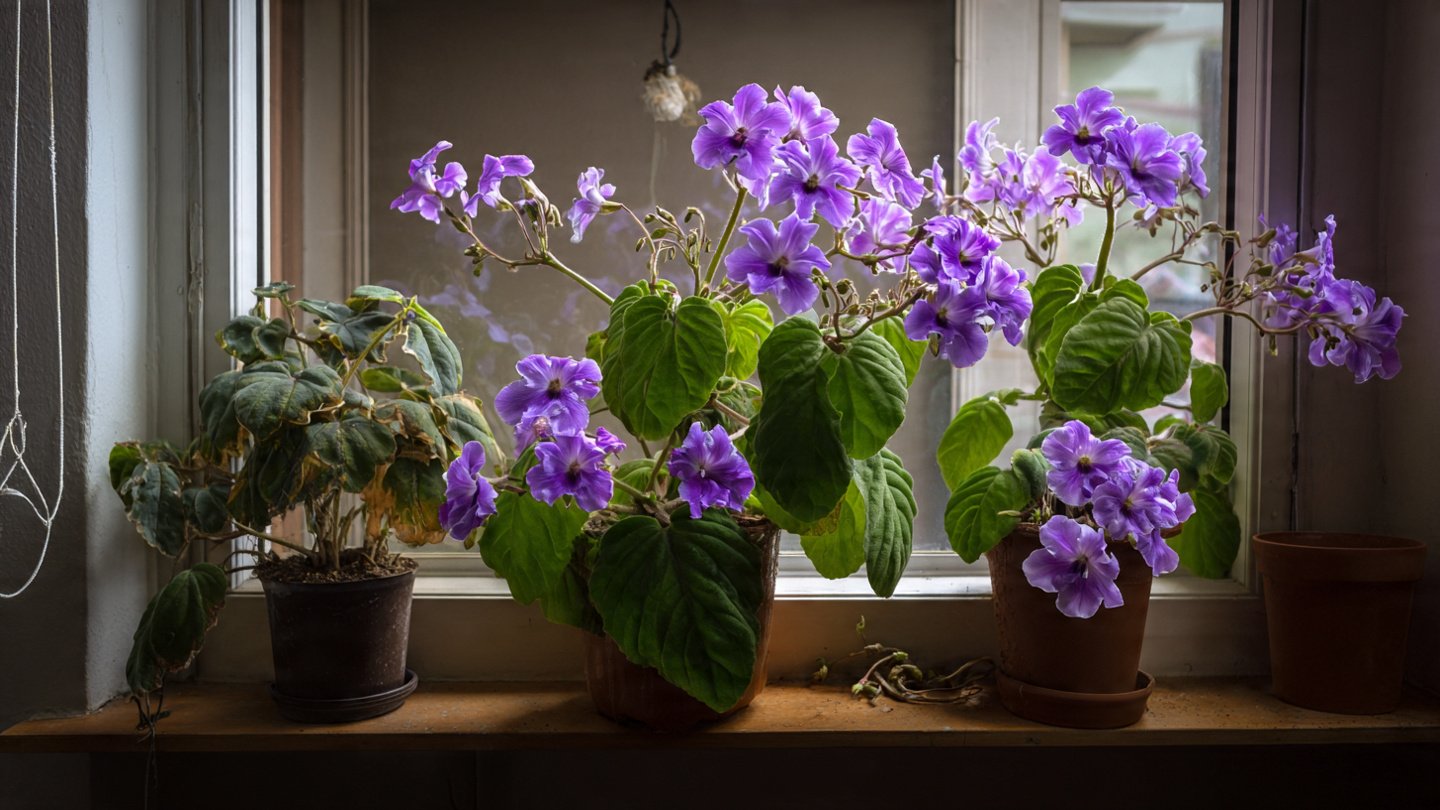
Streptocarpus, commonly known as Cape primrose, is a stunning genus of flowering plants that belong to the Gesneriaceae family. Renowned for their vibrant blooms and lush foliage, these plants have become increasingly popular among indoor gardeners looking to add a dash of color to their living spaces. This ultimate guide will unravel the secrets to successfully cultivating Streptocarpus plants indoors, making their care straightforward and enjoyable.
Table of Contents
- Introduction to Streptocarpus
- Choosing the Right Variety
- Essential Care Guidelines
- Light Requirements
- Watering
- Soil Mixture
- Humidity and Temperature
- Fertilization Strategies
- Pruning and Propagation
- Common Pests and Diseases
- Tips for Successful Growth
- FAQs
1. Introduction to Streptocarpus
Streptocarpus are native to tropical and subtropical regions, primarily Africa. They are perennial plants characterized by their rosette formation of leaves and funnel-shaped flowers, which bloom in a variety of colors, including purple, pink, blue, and white. Their adaptability to indoor conditions makes them ideal houseplants, and they offer a long flowering period that can delight plant enthusiasts throughout the year.
2. Choosing the Right Variety
When selecting a Streptocarpus variety for your home, consider the following popular options:
- Streptocarpus ‘Blue Diamond’: Known for its deep blue flowers and rich green leaves, this variety is a favorite among collectors.
- Streptocarpus ‘Sweet Beryl’: Producing light blue flowers with a dark blue edge, ‘Sweet Beryl’ provides a stunning contrast in any indoor setting.
- Streptocarpus ‘Holly’s Star’: This variety features fringed, star-shaped flowers, adding a touch of whimsy to your collection.
Choose the variety that resonates with your aesthetic preferences, ensuring it aligns well with indoor growing conditions.
3. Essential Care Guidelines
Light Requirements
Streptocarpus thrives in bright, indirect light. They can tolerate some direct sunlight, especially in the morning, but too much can scorch their leaves. A south or east-facing window is ideal, but you can also use grow lights if your home lacks adequate natural light.
Watering
Proper watering is crucial for Streptocarpus health. The plants prefer evenly moist soil but dislike soggy conditions. Water the plants when the top inch of soil feels dry. Ensure that the pots have drainage holes to prevent waterlogging. On average, watering once a week is sufficient, although this can vary based on humidity and temperature.
Soil Mixture
A well-draining soil mixture is essential for sustainable growth. A blend of peat moss, perlite, and pine bark works well. This mixture not only retains moisture but also promotes healthy root development. Avoid heavy garden soils that can hinder drainage.
Humidity and Temperature
Streptocarpus flourishes in a humid environment. Aim for humidity levels of around 50-70%. If your home is dry, consider using a humidifier or placing a tray of water with pebbles beneath the plant to increase humidity levels.
In terms of temperature, Streptocarpus prefers to stay within a range of 65°F to 75°F (18°C to 24°C). Avoid exposing them to cold drafts or extreme temperature fluctuations.
4. Fertilization Strategies
To encourage robust growth and flowering, regular fertilization is essential. Use a diluted liquid fertilizer formulated for flowering houseplants. Fertilize every two to four weeks during the growing season (spring and summer) and reduce feeding in fall and winter when the plants enter dormancy. Over-fertilization can lead to salt buildup and root damage, so always follow the manufacturer’s guidelines.
5. Pruning and Propagation
Pruning
Regular pruning helps maintain the shape of your Streptocarpus while encouraging new growth. Remove any dead or yellowing leaves and spent flowers to keep the plant healthy. Pruning also prevents potential disease problems by improving air circulation around the foliage.
Propagation
Streptocarpus can be easily propagated using leaf cuttings. Here’s a step-by-step guide:
- Select a Healthy Leaf: Choose a mature, healthy leaf from the parent plant.
- Cut and Prepare: Cut the leaf into sections, each about 4-6 inches long. Ensure each section has a main vein.
- Planting: Insert the cut sections into a pot filled with moist perlite or a well-draining soil mix.
- Humidity Dome: Cover the pot with a clear plastic bag to retain moisture and create a mini green-house effect. Remove the bag occasionally to prevent mold.
- Rooting: Place the pot in bright, indirect light. Roots should develop in a few weeks.
6. Common Pests and Diseases
While Streptocarpus plants are generally hardy, they can still fall victim to pests like aphids, spider mites, and mealybugs. Regularly inspect your plants for signs of infestation and treat any issues promptly using insecticidal soap or neem oil.
Diseases like root rot can occur due to overwatering. Ensure proper drainage and avoid waterlogging the pot to prevent this issue. If rot occurs, remove affected parts and consider repotting the plant in fresh soil.
7. Tips for Successful Growth
- Rotate Your Plants: Regularly rotating your Streptocarpus can help ensure even growth and exposure to light on all sides.
- Clean Your Leaves: Dust can accumulate on the leaves, blocking light. Gently wipe the leaves with a damp cloth to keep them clean.
- Be Patient: Like all plants, Streptocarpus requires time and care to flourish. Don’t be discouraged by slow growth; every plant has its own pace.
8. FAQs
1. Can I grow Streptocarpus in low light?
While Streptocarpus can tolerate lower light conditions, it won’t flower as abundantly. They thrive best in bright, indirect light.
2. How often should I water my Streptocarpus?
Water your Streptocarpus when the top inch of soil feels dry. Generally, once a week is sufficient, but monitor your plant and adjust as necessary based on your home’s conditions.
3. Why are my leaves turning yellow?
Yellowing leaves can indicate overwatering or nutrient deficiency. Check the soil moisture and adjust your watering habits accordingly. Consider fertilizing if not done recently.
4. How do I encourage more blooms?
To encourage more blooms, ensure your plant is getting enough light and is fertilized during the growing season. Regular deadheading (removing spent flowers) can also promote further blooming.
5. Can I grow Streptocarpus outdoors in summer?
Yes, you can place your Streptocarpus outdoors during warm summer months, provided you protect them from harsh sunlight and extreme temperatures. However, they should be brought back inside before the first frost.
Conclusion
With just a little attention and care, your Streptocarpus plants can flourish indoors, showcasing their beautiful flowers and vibrant foliage. Understanding their needs and providing the right environment will lead to stunning displays that brighten up your living space. Armed with the information from this ultimate guide, you’re well on your way to becoming a successful Streptocarpus caregiver. Happy gardening!