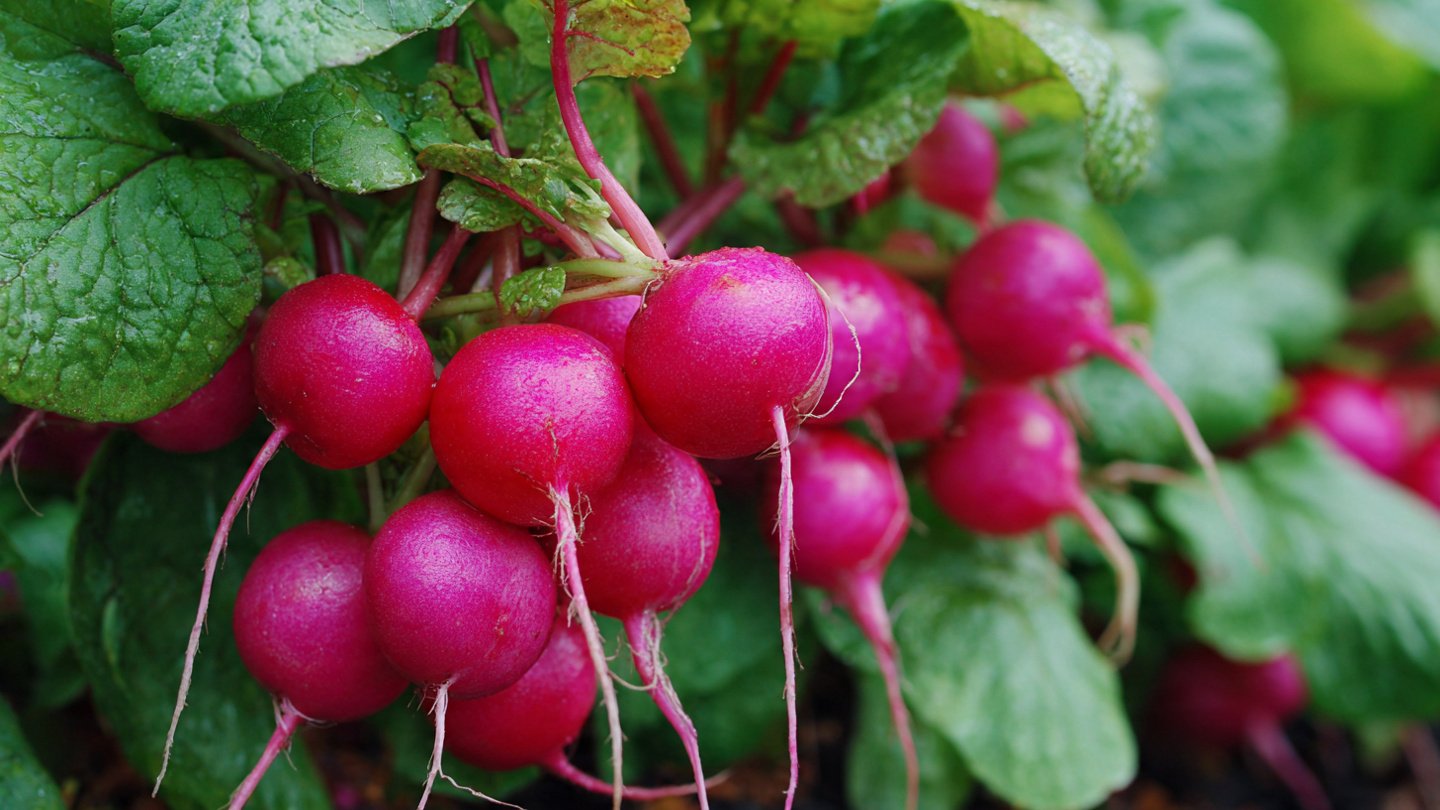
Radishes are a gardener’s delight, showcasing rapid growth, a variety of flavors, and in the case of pink radishes, a vibrant pop of color in your home garden. This guide will take you through every step of cultivating these stunning vegetables, from selecting the right seeds to harvesting and troubleshooting common issues. Let’s dig in!
Table of Contents
- Understanding Radishes
- Choosing the Right Varieties
- Preparing Your Garden Bed
- Planting Radishes
- Care and Maintenance
- Pest Management
- Harvesting and Storing
- Delicious Ways to Use Radishes
- FAQs
1. Understanding Radishes
Radishes are fast-growing root vegetables belonging to the Brassicaceae family, along with broccoli, cabbage, and kale. They thrive in cool weather, making them ideal for spring and fall planting. Their crisp texture and peppery flavor provide a zesty addition to salads, sandwiches, and veggie trays. Pink radishes, in particular, add not only flavor but also a colorful visual element to your dishes.
2. Choosing the Right Varieties
When selecting pink radish varieties, consider both taste and growth habit. Some popular options include:
- Cherry Bell: A classic variety, these small, round radishes are known for their crisp texture and mild flavor.
- French Breakfast: These elongated radishes boast a striking red-pink skin with a white tip. They have a slightly milder taste.
- Watermelon Radishes: Known for their stunning pink interior, these radishes have a slightly sweeter flavor profile.
3. Preparing Your Garden Bed
To cultivate healthy pink radishes, proper soil preparation is essential. Follow these steps:
Soil Type: Radishes prefer well-drained, loamy soil that’s rich in organic matter. Avoid compacted or clay-heavy soils.
pH Level: Aim for a soil pH between 6.0 and 7.0. You can test your soil using a pH testing kit available at garden centers.
Amendments: Incorporate organic matter like compost or aged manure into your soil to boost its fertility. This will not only provide essential nutrients but also improve soil structure.
Tilling: Loosen the top 12 inches of soil using a tiller or garden fork. This helps create a suitable environment for radish roots to expand.
4. Planting Radishes
Timing is crucial for planting radishes, as they thrive in cooler temperatures. Follow these guidelines:
When to Plant: Sow seeds outdoors in early spring (about two to three weeks before the last frost) or late summer for a fall crop.
Spacing: Plant radish seeds about ½ inch deep and 1 inch apart. Rows should be spaced approximately 12 inches apart.
Seed Selection: Ensure you use high-quality seeds from reputable suppliers. You may choose organic or heirloom varieties to enhance your garden’s biodiversity.
5. Care and Maintenance
Once your seeds have been sown, providing the right care will ensure a bountiful harvest:
Watering: Radishes need consistent moisture, especially during germination. Water them regularly but avoid overwatering, which can lead to rot.
Fertilization: A balanced fertilizer can be applied every few weeks, but be cautious not to over-fertilize, as this can negatively impact growth.
Thinning: After seedlings emerge, thin them out to avoid overcrowding. Leave the strongest plants, spaced about 2 inches apart, to ensure they have enough room to grow.
6. Pest Management
While radishes are relatively hardy, they can still face challenges from pests and diseases:
Common Pests:
- Aphids: Small sap-sucking insects that can be controlled with insecticidal soap or neem oil.
- Cabbage Maggots: These larvae feed on root systems. You can prevent them by covering young plants with floating row covers.
Diseases:
- Downy Mildew: This fungal infection can be minimized through proper watering techniques and maintaining good air circulation.
Natural Solutions: Encouraging beneficial insects like ladybugs can help control pest populations naturally.
7. Harvesting and Storing
Knowing when to harvest is key to enjoying the best flavor from your pink radishes:
Harvest Time: Most radish varieties mature in about 3 to 4 weeks. You’ll know they’re ready when they reach the size of a golf ball.
Harvesting Technique: Gently pull the radish from the soil, being careful not to damage the roots. If they’re resistant, use a garden fork for assistance.
Storage: Remove the greens and store radishes in a plastic bag in the refrigerator. They can last up to two weeks when stored properly.
8. Delicious Ways to Use Radishes
Now that you’ve harvested your radishes, here are some delightful ways to utilize them in your kitchen:
- Salads: Thinly slice radishes and add them to your favorite greens for a crunchy bite.
- Pickled Radishes: Quick-pickle your radishes in vinegar, sugar, and salt for a tangy treat.
- Roasting: Toss radishes with olive oil, salt, and pepper, then roast them for a sweet, caramelized flavor.
- Radish Greens Pesto: Don’t discard the greens! Blend them with garlic, nuts, and Parmesan for a unique pesto.
9. FAQs
Q1: How long does it take for pink radishes to grow?
A1: Pink radishes generally take about 25 to 30 days from planting to harvest, depending on the variety.
Q2: Can I grow radishes in containers?
A2: Yes, you can grow radishes in containers. Just ensure that the container is at least 6-8 inches deep to accommodate radish roots.
Q3: What’s the ideal temperature for growing radishes?
A3: Radishes grow best in temperatures between 50°F and 70°F (10°C to 21°C). They can be planted in cooler weather, but extreme heat can lead to bitterness.
Q4: How can I prevent my radishes from becoming woody?
A4: To prevent woody radishes, ensure they are harvested on time and maintain consistent watering. Avoid letting them sit in the ground too long after maturity.
Q5: Can I save seeds from my radishes?
A5: Yes, you can save seeds from radishes, but be aware that many hybrids may not breed true. For best results, select seeds from open-pollinated varieties.
Conclusion
Cultivating vibrant pink radishes in your home garden is a rewarding endeavor, laden with colorful aesthetics and flavorful culinary uses. With the right preparation, care, and harvesting techniques, you can enjoy a successful radish harvest that brightens your plates and palate. Whether you’re an experienced gardener or a novice, growing radishes is an accessible and fulfilling project. Happy gardening!