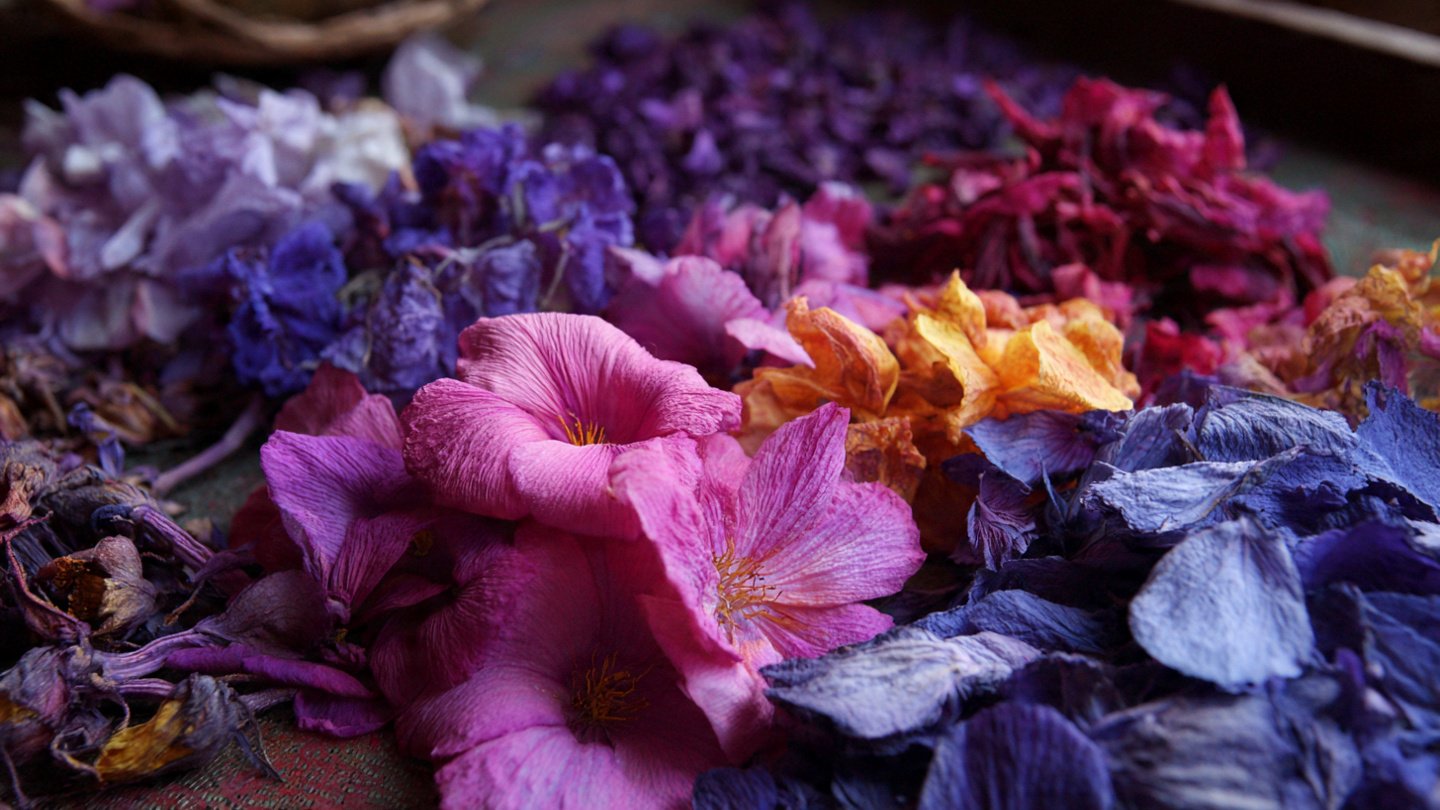
Natural fabric dyeing is experiencing a renaissance, appealing to both eco-conscious consumers and creative individuals looking to explore sustainable practices. Growing your own plants for dyeing purposes not only allows for richer, more vibrant colors but also fosters a deeper connection with your local environment. This article delves into some of the most fascinating flowers to cultivate for natural fabric dyes, exploring their unique properties, cultivation tips, and historical significance.
1. Indigo (Indigofera tinctoria)
Indigo is one of the oldest and most renowned natural dyes, historically used in countries from India to Africa and the Americas. The dye is derived from the leaves of the indigo plant and typically produces deep blue shades.
Growing Conditions
Indigo thrives in warm climates with well-draining soil. It’s a perennial plant in tropical regions but can be grown as an annual in cooler climates. Select a sunny location and keep the soil consistently moist, but not waterlogged.
Harvesting
To extract dye, harvest the leaves when they’re at their fullest. Soak the leaves in water and aerate the mixture to initiate fermentation, which releases the dye.
2. Marigold (Tagetes spp.)
Marigolds are not only beautiful garden flowers, but they also produce vibrant yellow and orange dyes. They’re widely grown and easy to maintain, making them perfect for beginner dyers.
Growing Conditions
Marigolds prefer full sun and well-drained soil. They’re quite tolerant of drought, making them a low-maintenance option. Deadheading spent blooms will encourage continued flowering throughout the season.
Dye Properties
Marigold petals yield a bright yellow dye, which can be used alone or combined with other natural dyes to create a variety of hues.
3. Cosmos (Cosmos bipinnatus)
Cultivating cosmos can lead to stunning dye results, with their bright blooms providing soft pinks, purples, and even reds. These flowers are especially favored by pollinators, making them a great addition to any garden.
Growing Conditions
Cosmos thrive in poor, well-drained soils and prefer full sun. They’re very tolerant of heat, drought, and poor soil condition, which makes them perfect for novice gardeners.
Dye Properties
Using cosmos for dyeing typically results in pastel shades. The color can be adjusted by modifying the pH of the dye bath.
4. Black-eyed Susan (Rudbeckia hirta)
Black-eyed Susan is a native flower that produces a lovely golden yellow dye. This hardy perennial is not only beautiful but also drought-resistant, making it an excellent choice for sustainable gardening.
Growing Conditions
This flower does well in full sunlight and prefers well-drained soil. It’s an excellent choice for wildflower gardens and can thrive in less-than-ideal conditions.
Dye Extraction
Extracting dye from Black-eyed Susan involves boiling the flower heads in water to release their color, resulting in a vibrant yellow hue that can be used alone or mixed with other natural dyes.
5. Woad (Isatis tinctoria)
Similar to indigo, woad has a long historical significance in Europe, known for yielding blue dyes. Its cultivation has seen a revival among modern dyers.
Growing Conditions
Woad prefers cooler climates and well-draining soil. This biennial plant requires a bit more attention, as it needs to be grown for two years to produce dye.
Dye Extraction
After harvesting the leaves in the first year, the plant should be fermented to extract the dye, yielding a beautiful blue that can be used on various fabrics.
6. Hibiscus (Hibiscus sabdariffa)
Hibiscus is not only admired for its large, striking flowers but is also known for producing a rich range of colors, from deep reds to vibrant pinks. The dye can be derived from the petals or calyces.
Growing Conditions
Hibiscus prefers warm weather and well-drained soil. It requires regular watering and benefits from full sun exposure.
Dye Properties
Hibiscus produces pastel to vibrant hues depending on the part used and the dyeing technique applied. The colors are particularly appealing for natural fabric dye projects.
7. Dandelion (Taraxacum officinale)
Often seen merely as a weed, dandelion boasts more than just culinary uses. The bright yellow flowers can yield a lovely golden dye, showcasing the beauty of what many consider pests in our gardens.
Growing Conditions
Dandelions are hardy and can grow in various conditions, thriving in poor soils and requiring minimal maintenance.
Dye Properties
After boiling the flower heads, dandelions can produce a bright yellow dye, making them an easy and accessible option for budding dyers.
Conclusion
Growing flowers for natural fabric dyes allows for a unique blend of gardening and art, rendering a sustainable alternative to synthetic dyes. Each flower offers not only aesthetic value but also the opportunity to produce a rich palette of colors. Cultivating these plants fosters a deeper appreciation for nature’s gifts and encourages ecological consciousness. As we embrace more sustainable practices, growing natural dye plants can be immensely rewarding both personally and environmentally.
FAQs
1. Are natural dyes permanent?
While natural dyes can achieve beautiful results, their permanence often varies. Pre-treating fabrics and using mordants can help improve colorfastness.
2. Can I use flowers from a florist for dyeing?
While some florist flowers may yield dyes, they are often treated with chemicals that might interfere with the dyeing process. It’s best to grow your own or source organic blooms.
3. How do I prepare my fabric for natural dyeing?
Preparing fabric involves washing it to remove impurities, then mordanting it with a suitable agent like alum to enhance dye absorption.
4. Can I mix different flower dyes?
Yes! Mixing dyes from different flowers can yield unique, custom colors. Experimenting with ratios can lead to delightful results.
5. How long do natural dyes last?
The longevity of natural dyes depends on the dye source, fabric type, exposure to light, and wash methods. Taking good care of dyed items can prolong their color.