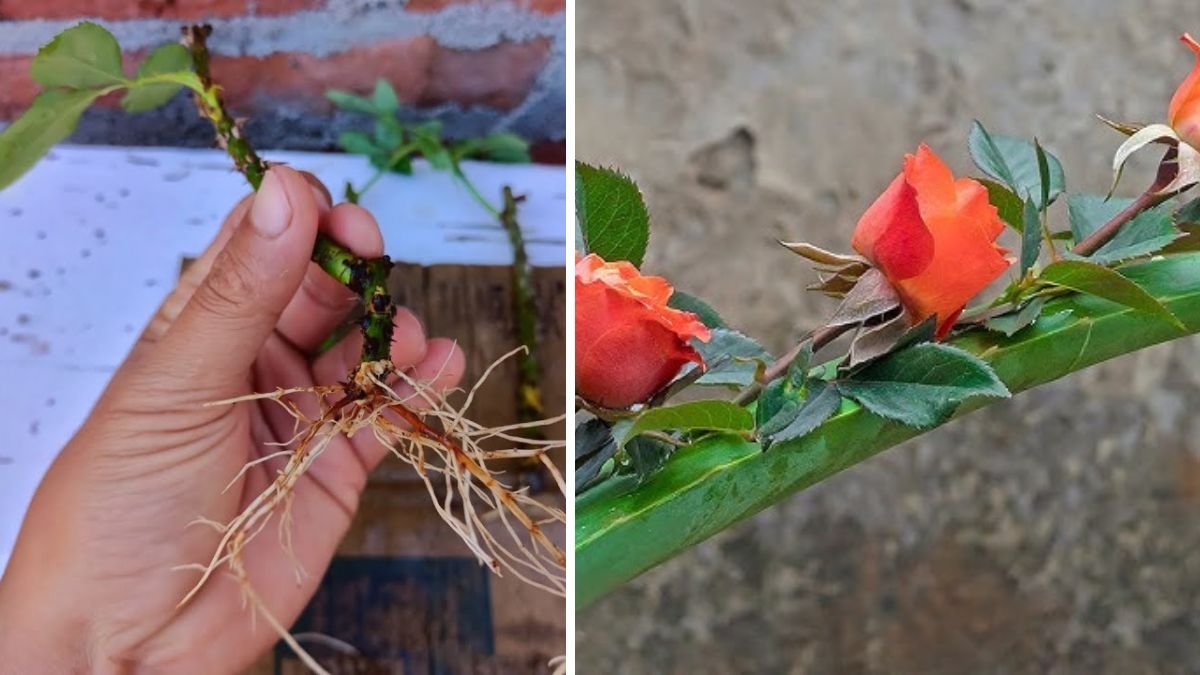
Introduction
Roses are cherished for their beauty and fragrance, making them a popular choice for gardens and landscapes. However, propagating roses can be a challenging task for many gardeners. Fortunately, using organic methods—specifically, incorporating aloe vera—can simplify the propagation process significantly. This guide will walk you through effective techniques for propagating roses with aloe vera, discussing its benefits, the propagation process, and expert tips to ensure success.
Understanding Aloe Vera and Its Benefits
What is Aloe Vera?
Aloe vera is a succulent plant known for its medicinal and cosmetic applications. Rich in vitamins, minerals, and antioxidants, aloe vera has been widely used in natural skincare products and remedies. Its gel contains compounds that can promote healing, making it a fantastic addition to gardening practices, particularly in plant propagation.
Benefits of Using Aloe Vera in Rose Propagation
-
Rooting Hormones: Aloe vera contains natural rooting hormones that encourage faster root development, improving the chances of successful propagation.
-
Moisture Retention: The gel from aloe vera is 98% water, providing crucial moisture that helps cuttings thrive during their initial growth stages.
-
Disease Prevention: Aloe vera has antibacterial and antifungal properties, which help protect young cuttings from infections and diseases.
-
Nutrient Supply: With its rich nutrient profile, aloe vera provides essential elements that cuttings need to grow strong and healthy.
Choosing the Right Rose Varieties for Propagation
Before diving into the propagation methods, it’s essential to choose the right rose varieties. Some popular types for propagation include:
-
Hybrid Teas: Known for their elegant blooms, they are easy to propagate.
-
Floribundas: These produce clusters of flowers and are hardy, making them suitable choices.
-
Climbers: Great for trellises or walls, climbers can be propagated effectively with proper care.
-
Knock Out Roses: Known for their resilience, they are low-maintenance and propagate well.
Preparing for Propagation
Tools and Materials Needed
-
Healthy Rose Cuttings: Select strong, disease-free stems that are at least 6-8 inches long.
-
Aloe Vera Gel: Fresh gel extracted from mature aloe vera leaves.
-
Potting Mix: Use a well-draining potting mix, preferably organic.
-
Containers: Pots or seed trays to accommodate your cuttings.
-
Water: Clean water for soaking cuttings and maintaining moisture.
-
Plastic Bag or Dome: To create a mini greenhouse effect for humidity.
When to Propagate Roses
The ideal time for propagating roses is during the early summer or late spring when the weather is warm, and the plants are actively growing. This is when the cuttings have the best chance of rooting successfully.
The Propagation Process
Step 1: Taking Cuttings
-
Select the Right Time: Choose a warm day when the rose is in full bloom.
-
Take Healthy Cuttings: Using a sharp, sterile knife or scissors, cut 6-8 inches of a stem from a healthy rose bush. Ensure that the cutting has at least two or three leaf nodes.
Step 2: Preparing the Aloe Vera
-
Harvest Aloe Vera Gel: Cut an aloe vera leaf and slice it open to scoop out the clear gel. Make sure to avoid any green parts, as these can be irritating to plants.
-
Pre-soak the Cuttings: Submerge the cut ends of the rose cuttings in the aloe vera gel for a few hours, allowing them to absorb the nutrients and rooting hormones.
Step 3: Planting the Cuttings
-
Prepare the Potting Mix: Fill your pots or seed trays with the organic potting mix and dampen it with water.
-
Plant the Cuttings: Create small holes in the mix with a pencil or your fingers, and gently place the treated rose cuttings into the holes. Ensure that at least one or two nodes are beneath the soil surface.
-
Space Them Properly: Leave sufficient space between the cuttings to allow air circulation.
Step 4: Creating a Humid Environment
-
Cover the Cuttings: Place a plastic bag or dome over the pots to maintain high humidity, essential for rooting.
-
Maintaining Conditions: Keep the cuttings in a warm, bright location that receives indirect sunlight. Avoid direct sunlight, as it can overheat the cuttings.
-
Watering: Check the soil moisture regularly. It should remain moist but not soggy.
Step 5: Monitoring Growth
-
Root Development: After 4-6 weeks, gently tug on the cuttings to check for resistance, indicating root growth.
-
Acclimating the Plants: Once the roots are established, gradually acclimate the new plants to outdoor conditions by removing the cover for a few hours each day, increasing exposure over one to two weeks.
-
Transplanting: Once the rose plants are sufficiently rooted and acclimatized, they can be transplanted to larger pots or directly into the garden.
Expert Tips for Successful Rose Propagation
-
Use Sterile Tools: Always use clean, sharp tools to prevent infecting the cuttings.
-
Avoid Overcrowding: Space cuttings appropriately to allow air circulation and prevent disease.
-
Be Patient: Rooting can take time; patience is key for successful propagation.
-
Fertilizing: Once the cuttings have rooted and started growing, apply a diluted organic fertilizer to support healthy growth.
-
Proper Watering: Overwatering is a common mistake; ensure the cuttings don’t sit in soggy soil.
-
Pest Control: Monitor for pests and diseases regularly, using organic solutions if necessary.
FAQs
1. Can any rose variety be propagated using the aloe vera method?
Yes, most rose varieties can be propagated using this method. However, some may root more easily than others, so it’s beneficial to start with more forgiving types like hybrid teas or floribundas.
2. How long does it take for rose cuttings to root?
Typically, rose cuttings take about 4-6 weeks to root, but this can vary based on environmental conditions, the type of rose, and how well the cuttings were taken and treated.
3. Is aloe vera necessary for rose propagation?
While aloe vera significantly improves the odds of successful rooting, it isn’t strictly necessary. You can root rose cuttings in water or other rooting hormones, but using aloe vera provides natural benefits.
4. What should I do if my cuttings aren’t rooting?
If cuttings fail to root, check the environmental conditions—especially moisture and light. Consider re-cutting the stems and ensuring optimal care.
5. Can I use store-bought aloe vera gel for this process?
It’s best to use fresh aloe vera gel from a plant, as commercial products may contain preservatives and additives that could hinder rooting.
6. When is the best time to propagate roses?
Early summer or late spring is optimal for propagating roses since they are actively growing during these seasons.
7. How should I care for my new roses once they are transplanted?
After transplanting, ensure they receive adequate water, indirect sunlight, and organic fertilizer to support their growth.
Conclusion
Using the organic aloe vera method for rose propagation not only enhances the success rate of rooting but also contributes to the health of your plants. By following the outlined steps and taking necessary precautions, you can enjoy the beauty of roses in your garden without the complexities that often accompany propagation. Happy gardening!