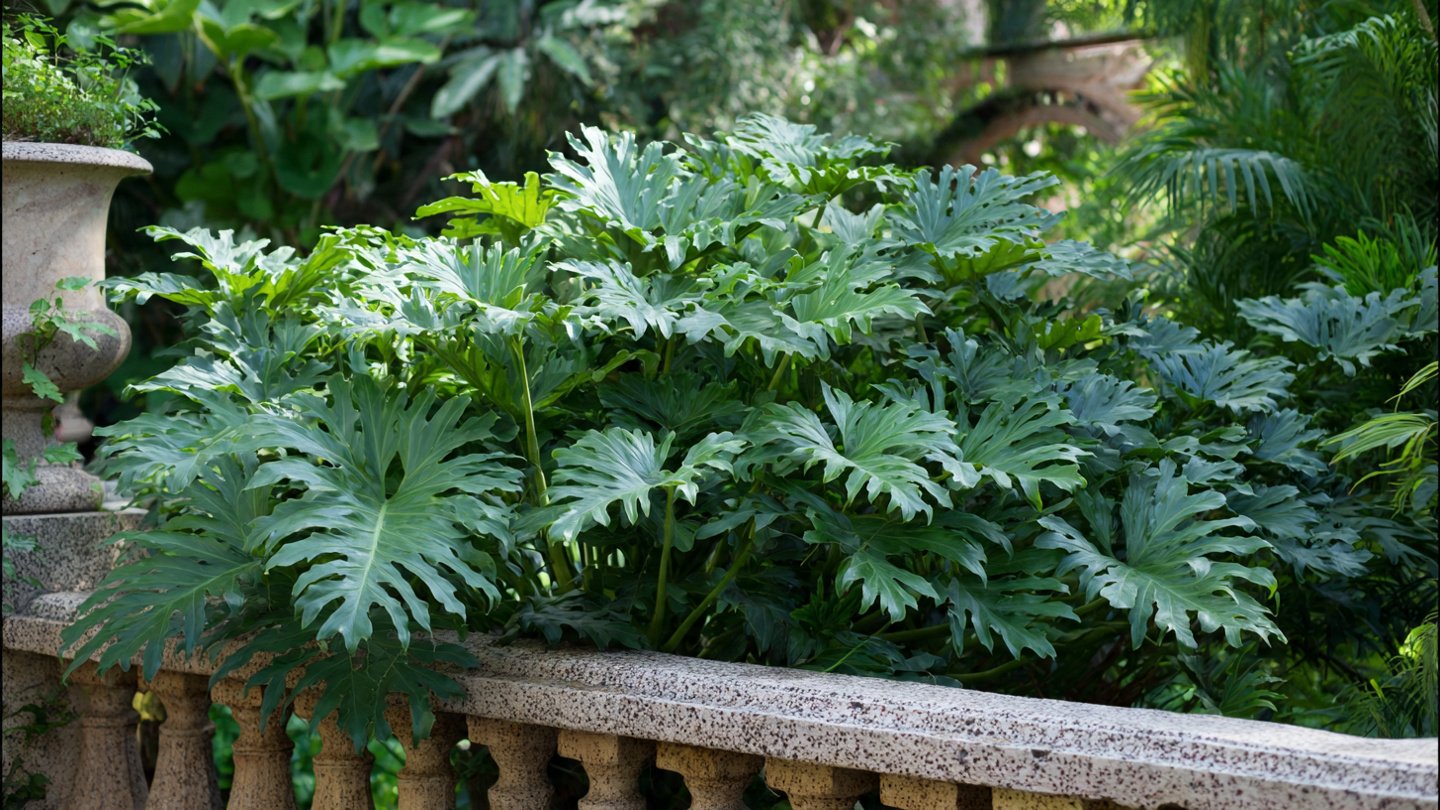
Philodendron selloum, commonly known as the split-leaf philodendron or tree philodendron, is a popular houseplant known for its dramatic foliage. With its large, glossy leaves that can grow up to three feet long, this plant brings a touch of the tropics to any garden or indoor space. While it can thrive in a variety of conditions, nurturing this stunning plant requires some specific care steps. In this article, we’ll cover everything you need to know to successfully cultivate a lush Philodendron selloum in your garden.
1. Understanding Philodendron Selloum
Before you start your gardening adventure, it’s essential to understand the characteristics of Philodendron selloum. This tropical plant is native to the rainforests of South America, particularly Brazil. It prefers a humid environment and thrives in well-draining soil.
Characteristics
- Height: Can grow up to 10 feet tall in ideal conditions.
- Leaf Structure: Features large, lobed leaves that resemble a fan, which is a distinguishing characteristic of the species.
- Growth Habit: Philodendron selloum is a climbing plant, often climbing up trees in its native habitat. In pot or garden arrangements, it can also spread out while maintaining an appealing bushy appearance.
2. Choosing the Right Location
Sunlight Requirements
Philodendron selloum prefers bright, indirect sunlight. While it can adapt to lower light conditions, the optimal environment provides filtered light. Locations with too much direct sunlight may scorch the leaves.
Tips for Light Placement:
- Near a window with sheer curtains for filtered sunlight.
- Away from drafty areas or direct air conditioning vents.
Outdoor Considerations
If you’re planting Philodendron selloum outdoors, choose a location where it will receive partial shade, especially during the hottest parts of the day.
3. Soil Selection
The right soil is crucial for the health of your Philodendron selloum. Ideally, you’ll want to utilize a well-draining potting mix. A mixture containing peat, pine bark, and perlite works effectively.
Characteristics of Ideal Soil:
- Good Drainage: Prevents root rot by allowing excess water to escape.
- Nutrient-Rich: Supplies essential nutrients to the plant.
- pH Levels: Keep the pH between 5.5 to 7.0 for optimal growth.
4. Planting Tips
Container or Ground
You can plant Philodendron selloum in a pot or directly into the ground. If planting in a container, ensure it has drainage holes.
Step-by-Step Planting:
- Prepare the Container: If using a pot, fill it with the chosen potting mix, leaving enough space at the top for watering.
- Remove from Nursery Pot: Carefully remove the plant from its nursery pot without damaging the roots.
- Planting: Position the root ball in the center of the container, ensuring the top of the root ball is level with the soil surface.
- Fill and Water: Fill in around the roots with additional potting mix and water thoroughly until moisture drains from the bottom.
Mulching for Ground Planting
If planting outdoors, adding a layer of mulch around the base can help retain moisture and suppress weeds.
5. Watering Techniques
Watering is one of the most critical aspects of plant care. Philodendron selloum prefers slightly moist soil, but it’s essential not to overwater.
Signs of Proper Watering:
- Topsoil Moisture: Check the top inch of the soil; if it’s dry, it’s time to water.
- Leaf Condition: Yellowing leaves can indicate overwatering, whereas droopy leaves may signal underwatering.
Watering Tips:
- Always water deeply until it drains from the bottom.
- Adjust watering schedules based on seasonal changes; plants may require less water in the winter months.
6. Nutritional Needs
Regular feeding is vital to keep your Philodendron selloum healthy and lush.
Fertilizer Preferences
Use a balanced, water-soluble fertilizer every 4–6 weeks during the growing season (spring and summer). A 20-20-20 formula is generally effective.
Tips for Fertilization:
- Dilute the fertilizer to half the recommended strength to avoid root burn.
- Stop fertilizing in fall and winter, when the plant goes dormant.
7. Humidity and Temperature
Being a tropical plant, Philodendron selloum thrives in high humidity and warm temperatures.
Ideal Conditions
- Humidity: Aim for at least 50% humidity. Consider using a humidifier if your home is dry.
- Temperature: Prefer temperatures between 65°F and 80°F (18°C to 27°C). Avoid exposing it to temperatures below 50°F (10°C).
Tips for Increasing Humidity:
- Mist the leaves regularly with water.
- Place the pot on a pebble tray filled with water to increase moisture levels nearby.
8. Pruning and Maintenance
Regular maintenance helps maintain the health and aesthetics of your plant. Pruning encourages bushier growth and removes any dead or damaged leaves.
Pruning Tips:
- Use sharp, clean scissors or pruning shears to avoid infections.
- Remove any yellow or damaged leaves to encourage new growth.
Pests and Diseases
Philodendron selloum can attract pests such as spider mites, aphids, and mealybugs.
Signs of Infestation:
- Wilting or damaged leaves
- Sticky residue on the leaves (honeydew from pests)
Treatment:
- Use insecticidal soap or neem oil as a natural pesticide.
- Regularly wipe the leaves with a damp cloth to keep pests at bay.
9. Repotting Your Philodendron Selloum
Repotting should be done every 2 to 3 years or when the plant becomes root-bound.
Signs It’s Time to Repot:
- Roots are growing out of the drainage holes.
- Water is not absorbing well; the soil stays soggy.
Repotting Steps:
- Choose a pot 1-2 inches larger in diameter.
- Follow the same planting steps outlined earlier.
- Water after repotting to settle the soil.
10. Troubleshooting Common Issues
Yellow Leaves
- Cause: Overwatering or poor drainage.
- Solution: Allow the soil to dry out and check drainage holes.
Droopy Leaves
- Cause: Underwatering.
- Solution: Water immediately and ensure consistent moisture levels.
Leaf Browning
- Cause: Low humidity or direct sunlight.
- Solution: Increase humidity and move the plant to a more suitable light condition.
FAQs
1. Can I grow Philodendron selloum indoors?
Yes, Philodendron selloum thrives indoors as long as it receives adequate light and humidity.
2. How often should I water my Philodendron selloum?
Water when the top inch of soil feels dry, typically every 1–2 weeks, depending on the environment.
3. Is Philodendron selloum toxic to pets?
Yes, Philodendron selloum is considered toxic to cats and dogs. Keep it out of reach of your pets.
4. How do I propagate Philodendron selloum?
You can propagate it through stem cuttings. Ensure each cutting has at least one leaf and some nodes, place it in water until roots develop, and then transplant it to soil.
5. What causes my Philodendron selloum’s leaves to curl?
Curling leaves can be a sign of too much direct sunlight or underwatering. Adjust the care conditions accordingly.
By following these steps, you can cultivate a lush and thriving Philodendron selloum that will enhance your garden or indoor space. Whether it’s the vibrant green leaves or the distinct shape, this plant is sure to become a focal point in your home. Happy gardening!