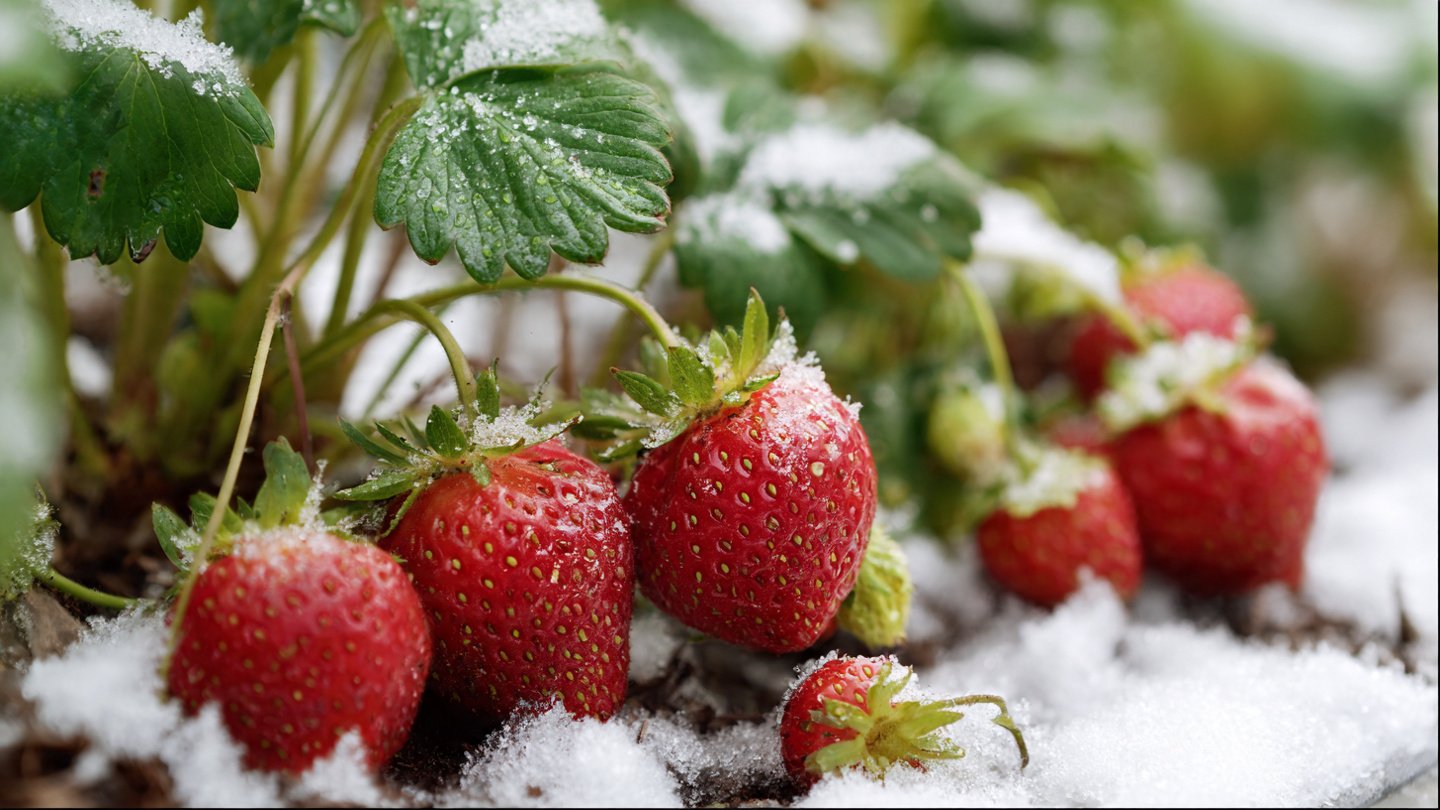
Growing strawberries in colder climates may seem like a daunting task, but with the right techniques, it can be both rewarding and enjoyable. If you live in USDA Hardiness Zones 3 to 6, you can still cultivate delicious, juicy strawberries that thrive despite the chill. This article outlines simple steps to successfully grow strawberries in cold zones, along with a FAQ section to address common concerns.
1. Choosing the Right Strawberry Varieties
Not all strawberry varieties are suited for cold climates. When selecting your plants, look for cold-hardy varieties that can withstand lower temperatures.
Recommended Varieties:
- June-Bearing Strawberries: These produce a single crop in early summer. Varieties like ‘Mara des Bois’ and ‘Fairtime’ are excellent choices.
- Everbearing Strawberries: These produce multiple crops throughout the growing season, such as ‘Quinault’ and ‘Albion.’ They fare well in colder zones.
- Day-Neutral Strawberries: These can produce fruit almost continuously under the right conditions. The ‘Seascape’ variety is a popular option.
2. Preparing Your Soil
Healthy soil is vital for successful strawberry growth. Here’s how to prepare your soil in cold zones:
Soil Test
Start with a soil test to determine pH levels and nutrient availability. Strawberries thrive in a slightly acidic soil (pH 5.5 to 6.5).
Amendments
Based on your soil test results:
- Add organic matter such as compost to improve drainage and fertility.
- Consider using peat moss or sulfur to lower the pH if necessary.
Tillage
You should till the soil to a depth of about 12 inches. This process aerates the soil and helps in mixing amendments evenly.
Raised Beds
If your soil is prone to waterlogging during the spring thaw, consider building raised beds. This will enhance drainage and protect the plants from frost.
3. Choosing the Right Location
Strawberries require full sun for optimal growth, so select a location that receives at least 6 to 8 hours of sunlight per day.
Protection from Wind
In colder zones, wind can damage strawberry plants. If possible, choose a site that is sheltered from strong winds. Planting near a wall or fence can offer some protection.
Slope or Elevation
A sloped area can provide better drainage for your strawberries, minimizing the risk of frost and waterlogging.
4. Planting Strategies
Knowing when and how to plant strawberries is crucial for their survival in cold zones.
Timing
- Spring Planting: In most cold zones, the best time to plant strawberries is in the spring after the last frost date.
- Fall Planting: Some growers also plant in early fall (late August to September) to give plants a head start.
Spacing
When planting, space your strawberries about 12 to 18 inches apart in rows that are 2 to 3 feet apart. This spacing allows for proper airflow and reduces the risk of disease.
Planting Technique
- Dig a hole large enough to accommodate the root system.
- Place the plant in the hole, ensuring that the crown is level with the soil line.
- Fill in around the roots and gently firm the soil.
5. Watering Practices
Proper watering is essential for strawberry health, especially in colder climates.
Irrigation Methods
- Drip Irrigation: Installing a drip irrigation system allows for targeted watering and minimizes the risk of fungal diseases.
- Mulching: Apply mulch around the plants to retain moisture and regulate soil temperature.
Watering Schedule
- Water the plants regularly, especially during dry spells.
- Avoid overhead watering; it can encourage diseases due to water on the leaves.
6. Fertilization
Strawberries are heavy feeders, and appropriate fertilization can promote healthy growth.
Types of Fertilizers
- Organic Options: Use compost or well-rotted manure for a natural nutrient source.
- Chemical Options: A balanced fertilizer with a ratio like 10-10-10 is suitable during planting.
Application Timing
- Fertilize in early spring as the plants start to grow.
- Avoid over-fertilizing, as this can lead to excessive leaf growth at the expense of fruit production.
7. Pest and Disease Management
Even in cold climates, strawberries are susceptible to various pests and diseases.
Common Pests
- Slugs and Snails: These can damage tender leaves. Use traps or barriers to deter them.
- Spider Mites: Keep an eye out for tiny webs. Insecticidal soap can be used if infestations occur.
Diseases
- Gray Mold (Botrytis): Ensure good airflow and avoid wet foliage to reduce mold risk.
- Powdery Mildew: Planting resistant varieties and using fungicides can help manage this issue.
8. Winter Protection
The cold winters in these zones necessitate special care for strawberries.
Mulching
After the first hard frost, apply a thick layer of mulch (straw or wood chips) over the plants. This acts as insulation against freezing and thawing.
Row Covers
Consider using lightweight row covers for additional protection against severe cold and frost.
Trenching Method
In extreme cold, some gardeners choose to trench their strawberry plants by burying them in soil during winter, then uncovering them in spring.
9. Harvesting Strawberries
Timing your harvest is key to enjoying bountiful strawberries.
Indicators of Ripeness
- Strawberries are ready to harvest when they are fully red, firm, and sweet-smelling.
- Pick the fruit with a slight twist, leaving the green cap attached.
Harvesting Schedule
- In cold zones, June-bearing strawberries will typically be ready by late June or early July.
- Everbearing and day-neutral varieties may offer fruit from late spring through fall.
10. FAQs About Growing Strawberries in Cold Zones
1. Can I grow strawberries in containers in a cold zone?
Yes, container gardening is an excellent choice for cold climates. Ensure the containers have drainage holes and protect them during winter with mulch or wraps.
2. How do I prevent birds from eating my strawberries?
Use bird netting to cover your strawberry plants during the fruiting period. This will deter birds without harming them.
3. Do I need to prune strawberry plants?
While not mandatory, removing runners can help the plant focus its energy on producing fruit instead of spreading. Additionally, trimming back old leaves at the end of the season can promote new growth.
4. How often do I need to water my strawberry plants?
Watering needs depend on the weather. Generally, strawberries require about 1 inch of water per week, either from rainfall or irrigation.
5. What should I do if my strawberries don’t produce fruit?
If your plants aren’t fruiting, they may be too young, lacking nutrients, or experiencing stress. Check for proper sunlight, nutrients, and watering habits.
6. Can I grow strawberries from seeds?
While it’s possible to grow strawberries from seeds, most gardeners prefer to start with bare root plants or transplants to ensure quicker fruit production.
7. Are there any tips for extending the harvest season?
To extend the harvest, consider planting a mix of everbearing and June-bearing varieties. Additionally, implementing row covers can help protect blooms from late frosts.
8. How can I tell if my strawberries are diseased?
Look for wilting, discoloration, or unusual spots on leaves and fruit. If you notice these symptoms, remove infected plants and consult with a local agricultural extension service for diagnosis.
9. What is the best mulch for strawberries in cold climates?
Straw, wood chips, or shredded leaves make effective mulch materials. They provide insulation and prevent weeds while allowing moisture to penetrate.
Conclusion
Growing strawberries in cold zones is achievable with careful planning and persistence. By choosing the right varieties, preparing your soil, adhering to a disciplined watering and fertilization schedule, and taking steps to protect your plants during the winter months, you can enjoy a bountiful strawberry harvest each season. Whether you’re a seasoned gardener or a beginner, these straightforward steps will set you on the path to strawberry success in your cold climate garden. Happy gardening!