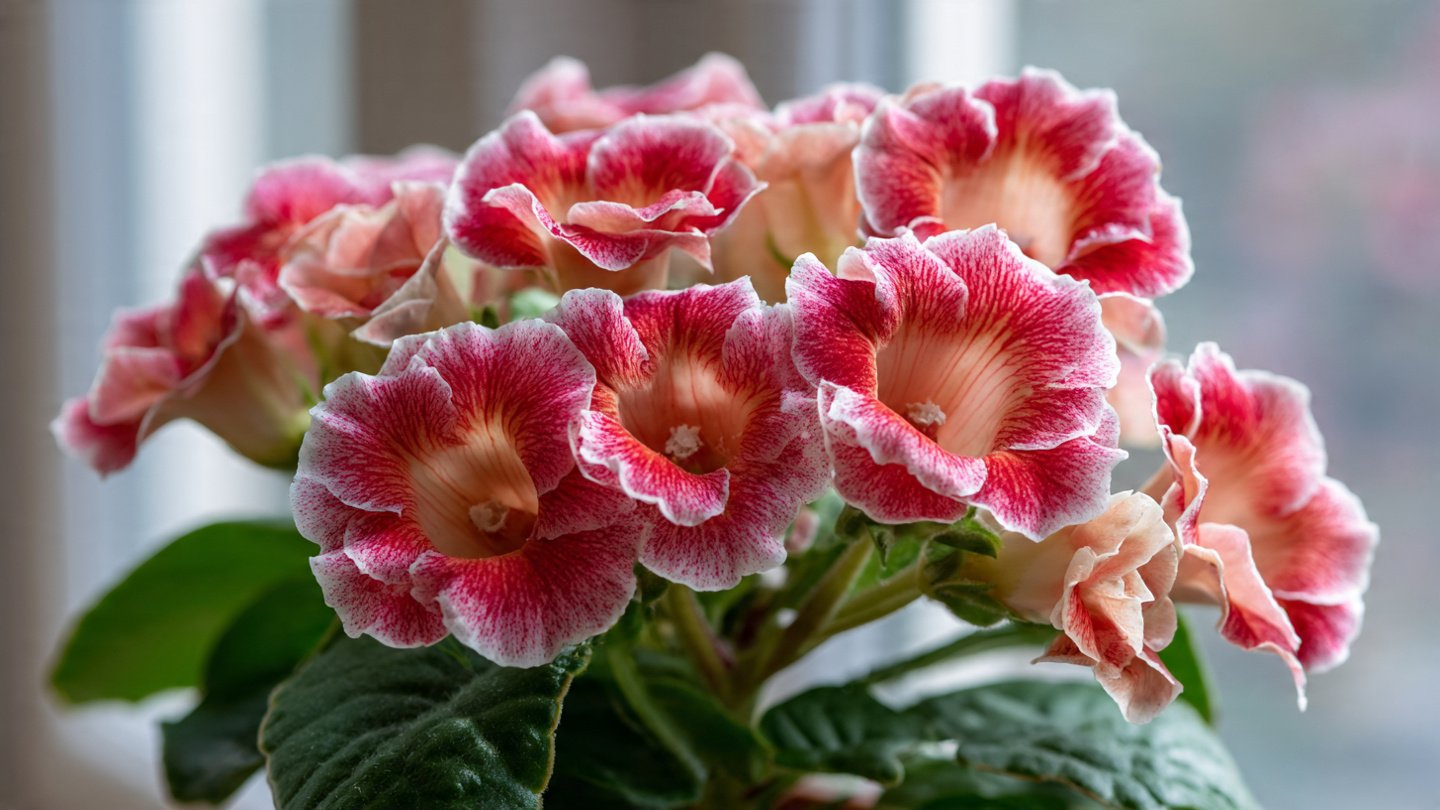
Gloxinia, a member of the Gesneriaceae family, is known for its stunning, trumpet-shaped flowers and lush green foliage. Native to Central and South America, these perennial plants can bring a splash of color and elegance to your home or garden. Growing gloxinia may seem challenging, but with the right approach, you can achieve beautiful blooms that will impress everyone. In this article, we will cover the essential steps for growing gloxinia successfully, allowing you to enjoy spectacular flowers year after year.
Understanding Gloxinia
Botanical Overview
Gloxinia’s scientific name is Sinningia speciosa, and it thrives best in warm, humid environments. The plant typically grows between 6 to 12 inches tall, producing flowers in various colors, including purple, pink, red, and white.
Lifespan
While gloxinia is often treated as a perennial, it is grown as an annual in many regions due to its sensitivity to cold temperatures. With proper care, gloxinia can thrive for several seasons.
Choosing the Right Environment
1. Soil Requirements
Gloxinia prefers a well-draining potting mix rich in organic matter. Use a mix that contains peat moss, perlite, or vermiculite to enhance drainage. A pH level between 6.0 and 6.5 is ideal.
2. Light Conditions
Gloxinia thrives in bright, indirect light. Direct sunlight can scorch its leaves, while too little light can affect blooming. A north- or east-facing window is typically the best location.
3. Temperature and Humidity
These plants prefer temperatures between 65°F to 75°F (18°C to 24°C). Gloxinia enjoys high humidity levels, ideally around 50% or more. Using a humidifier or placing a tray of water and pebbles near the plant can help maintain humidity.
Planting Gloxinia
1. Choosing the Right Container
Select a pot with drainage holes to prevent waterlogging. Start with a pot that is about 4-6 inches in size. As the plant grows, you can repot it into a larger container.
2. Propagating from Bulbs or Seeds
From Bulbs
Gloxinia can be grown from corms (bulbs). Plant the corms about 1 inch deep in the soil, ensuring the top side is facing up. Water lightly to avoid oversaturating the soil.
From Seeds
If starting from seeds, sow them on the surface of lightly moistened soil without covering them, as they require light for germination. Keep the soil consistently moist until germination occurs, which typically takes 2-3 weeks.
3. Watering
Watering gloxinia requires care. Allow the top 1-2 inches of soil to dry out between waterings. Too much water can lead to rot, while too little can cause wilting. Use room-temperature water, and water the base of the plant rather than the leaves to prevent fungal disease.
Caring for Gloxinia
1. Fertilization
Feed gloxinia with a balanced, water-soluble fertilizer every two weeks during the growing season (spring and summer). Dilute the fertilizer to half strength to avoid over-fertilizing, which can damage the plant.
2. Pruning
Pruning gloxinia is not necessary but can help maintain a bushy shape. Remove any dead or yellowing leaves to promote better air circulation and prevent disease.
3. Pest Management
Common pests include aphids, spider mites, and mealybugs. Inspect your plants regularly. If you notice any pests, treat them promptly using insecticidal soap or neem oil. Regular cleaning of leaves can help reduce infestations.
Encouraging Blooms
To ensure your gloxinia produces an abundance of flowers:
- Deadheading: Remove spent blooms to encourage further flowering. This will redirect the plant’s energy into producing more blossoms.
- Lighting: Ensure they get enough light but not direct sunlight. Too much shade can prevent flowering.
- Temperature: Maintaining consistent temperatures will help the plant thrive and bloom.
Managing Dormancy
After the flowering period, gloxinia will enter a dormant phase. Here’s how to manage this:
- Reduce Watering: Gradually cut back on watering as the foliage begins to decline. Allow the soil to dry out completely.
- Cool Environment: Move the plant to a cooler area (around 60°F/15°C) but keep it away from frost.
- Storing Corms: If you plan to keep the corms for replanting, remove them from the soil, clean them, and let them dry. Store them in a cool, dark place until replanting in the spring.
Troubleshooting Common Issues
1. Leaves Wilting or Yellowing
- Cause: Overwatering or underwatering.
- Solution: Check the soil moisture. Adjust your watering routine accordingly.
2. Lower Leaves Dropping
- Cause: Natural growth cycle or inadequate light.
- Solution: Ensure the plant is receiving enough bright, indirect light.
3. Poor Flower Production
- Cause: Inadequate light, poor soil nutrition, or pests.
- Solution: Evaluate your care routine. Make adjustments as needed.
Conclusion
Gloxinia may require a bit of effort, but the stunning blooms and lush foliage are undoubtedly worth it. By providing the right environment, proper care, and attention, you can enjoy vibrant flowers that will brighten your space. Take note of their growth cycle and manage their dormancy effectively to ensure long-term success, transforming your home or garden into a colorful oasis.
FAQs
Q1: How often should I water gloxinia?
A1: Water your gloxinia when the top 1-2 inches of soil feel dry. This typically varies, but it often translates to watering once a week during the growing season.
Q2: Can gloxinia be grown outdoors?
A2: Yes, gloxinia can be grown outdoors in warm climates, but they should be brought indoors if temperatures drop below 50°F (10°C).
Q3: How long does it take Gloxinia to bloom?
A3: After planting, gloxinia typically takes about 12-16 weeks to bloom when conditions are ideal.
Q4: Can I propagate gloxinia from cuttings?
A4: Yes, you can propagate gloxinia from leaf cuttings, but it’s more common to propagate from corms or seeds.
Q5: Why are my gloxinia leaves turning brown?
A5: Brown leaves can indicate underwatering, sunburn from direct sunlight, or low humidity. Assess your care routine to make necessary changes.
Q6: How often should I fertilize gloxinia?
A6: Fertilize gloxinia with a balanced, water-soluble fertilizer every two weeks during the growing season (spring and summer).
By following these simple steps and guidelines, you can grow stunning gloxinia plants that will not only beautify your space but also provide you with the joy of nurturing them. Happy gardening!