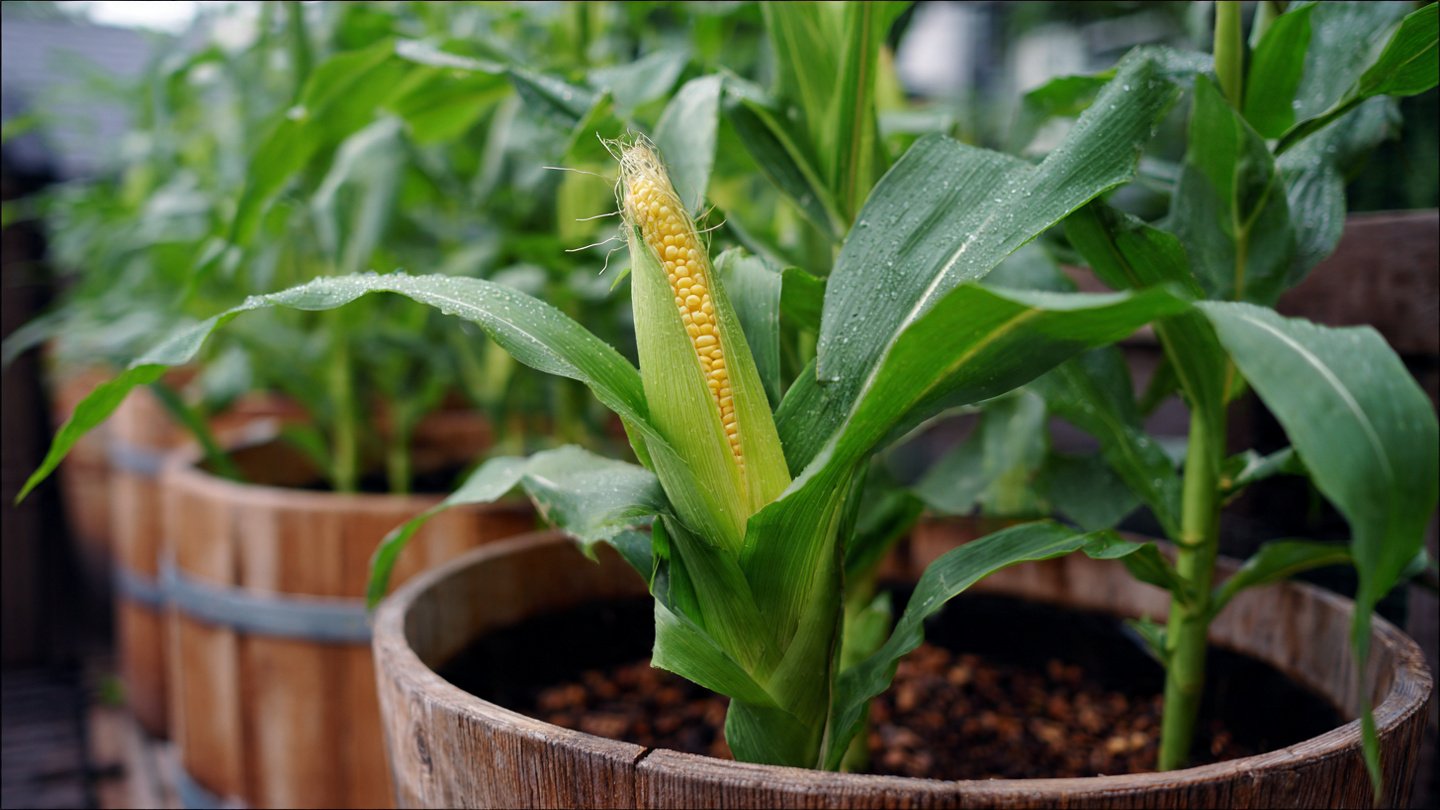
Growing sweet corn in containers is an excellent option for urban gardeners who may not have access to a traditional garden space. This guide will provide you with the essential steps to successfully grow sweet corn in containers, from choosing the right variety to caring for your plants and harvesting your crop.
Understanding Sweet Corn
Sweet corn (Zea mays everta) is a beloved vegetable known for its sweet, juicy kernels. Unlike field corn, which is primarily used for animal feed and industrial purposes, sweet corn is harvested when immature for human consumption. Growing sweet corn offers not only delicious produce but also a vibrant addition to your garden space.
Choosing the Right Container
Container Size
Sweet corn has extensive root systems, so selecting the right container is crucial. Ideally, choose a container that is at least 12 to 18 inches deep and wide. Larger containers (5 gallons or more) provide better conditions for root development.
Container Material
Containers come in a range of materials, including plastic, ceramic, wood, and metal. Plastic containers are lightweight and retain moisture well, whereas ceramic and wooden pots often provide better insulation. Ensure that any container you use has adequate drainage holes to prevent root rot.
Selecting the Right Variety
When choosing sweet corn varieties for container gardening, opt for shorter or dwarf varieties that are better suited for pots. Some recommended varieties include:
- Minipop: A small, sweet corn variety that grows around 3 feet tall.
- Butterfly: A sugar-enhanced variety perfect for container growing.
- Sweetness: Ideal for small gardens, this variety produces tender, sugary kernels.
Soil Preparation
Choosing the Right Soil
Sweet corn thrives in well-draining, nutrient-rich soil. A commercial potting mix is an excellent choice as it’s specifically designed for containers. You can also create your own mix using:
- 1 part compost
- 1 part peat moss or coconut coir
- 1 part perlite or vermiculite
Nutrient Considerations
Before planting, consider mixing in a slow-release fertilizer into your soil. Sweet corn is a heavy feeder and benefits from nutrients, particularly nitrogen. Follow the manufacturer’s recommendations for amounts based on the size of your container.
Planting Sweet Corn
Timing
The best time to plant sweet corn is after the last frost date in your area. Sweet corn is a warm-season crop that requires soil temperatures to be at least 60°F (15°C) for successful germination.
Sowing Seeds
Plant corn seeds in clusters, about 2-3 seeds per cluster, spaced approximately 12-18 inches apart. Plant the seeds about 1 to 2 inches deep in the soil. If you’re using larger containers, you can plant multiple clusters, but ensure they are spaced adequately to allow for growth.
Watering
After planting, water the seeds thoroughly to help settle the soil. Keep the soil consistently moist, but not waterlogged. Sweet corn prefers evenly moist soil, and in hot weather, it may require daily watering.
Growing Conditions
Light
Sweet corn requires full sun, ideally at least 6-8 hours of direct sunlight per day. Position your containers in a location that receives ample sunlight to encourage growth and grain development.
Temperature
Ideal growth temperatures for sweet corn are between 70°F to 86°F (21°C – 30°C). If temperatures rise above this range, ensure adequate watering to help your plants withstand the heat.
Fertilization
Fertilize your sweet corn every 4-6 weeks with a balanced liquid fertilizer or a fertilizer high in nitrogen. Follow the instructions on the product label for the best results. You can also top-dress with compost or organic matter to boost nutrient levels.
Pest and Disease Management
Common Pests
Sweet corn can be affected by several pests, including:
- Corn earworms: These larvae damage corn ears by feeding on the kernels.
- Aphids: These small insects can stunt growth and spread diseases.
Prevent pest infestations by:
- Inspecting plants regularly.
- Using row covers in early stages to prevent pest access.
- Introducing beneficial insects like ladybugs to control aphid populations.
Common Diseases
Sweet corn is susceptible to various diseases, such as:
- Smut: A fungal disease that causes galls on ears.
- Northern corn leaf blight: A fungal disease causing brown spots on leaves.
Maintaining adequate air circulation, practicing crop rotation, and using resistant varieties can help reduce disease incidence.
Harvesting Sweet Corn
Sweet corn is typically ready for harvest about 70 to 100 days after planting, depending on the variety. The ears should be harvested when they are plump, and the kernels are milky and tender.
Signs of Ripeness
- Silks: When the silks at the top of the ear turn brown and dry.
- Kernels: Pinch a kernel; if a milky liquid oozes out, it’s ready to harvest.
Harvesting Technique
To harvest, grasp the ear firmly and twist downwards, breaking it free from the stalk. Avoid pulling hard as this can damage the plant.
Container Gardening Tips
- Rotation: Every season, rotate planting locations and varieties to prevent soil depletion and disease issues.
- Companion Planting: Consider growing herbs and flowers alongside your sweet corn to support biodiversity and deter pests.
- Mulch: Adding a layer of mulch around the base of your plants helps conserve moisture and suppress weeds.
FAQs
1. Can sweet corn be grown in small containers?
Yes! Dwarf varieties of sweet corn are suitable for smaller containers.
2. How often should I water sweet corn in containers?
Water sweet corn thoroughly and consistently to keep the soil evenly moist, especially during hot weather.
3. Can I grow sweet corn indoors?
While sweet corn can theoretically be grown indoors with sufficient light, it’s best suited for outdoor conditions due to its height and space requirements.
4. How should I protect my sweet corn from pests?
Regular inspections, row covers, and introducing beneficial insects can help protect your sweet corn from pests effectively.
5. What should I do if my sweet corn plants are not growing?
Ensure they are receiving adequate sunlight, consistent watering, and nutrients. Poor growth may also indicate root space limitations in smaller containers.
6. When should I fertilize sweet corn?
Fertilize every 4-6 weeks during the growing season, particularly with nitrogen-rich fertilizers to support healthy growth.
7. What is the best time to harvest sweet corn?
Sweet corn is best harvested when the silks turn brown and dry, and the kernels are plump and produce a milky juice when punctured.
8. Can I grow sweet corn in the fall?
Sweet corn is a warm-weather crop and is generally not suitable for fall planting, as it requires warm soil temperatures for germination and growth.
Conclusion
Growing sweet corn in containers at home is a rewarding experience that can yield delicious results, even in limited spaces. By following the guidelines mentioned above, you can successfully grow and enjoy homegrown sweet corn right from your balcony or patio. Get started this growing season and savor the taste of freshness in every bite!