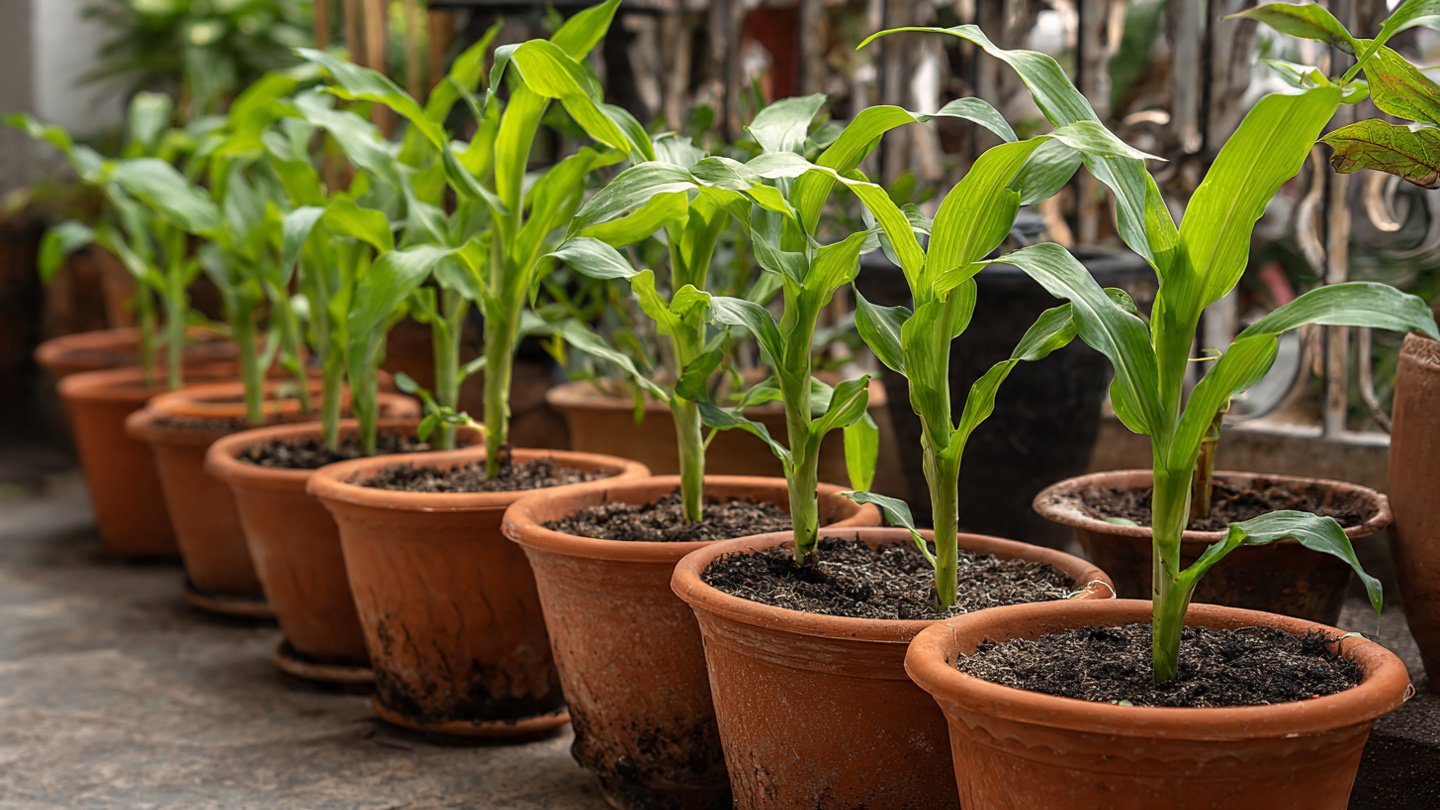
Growing baby corn at home can be a rewarding experience, especially for gardening enthusiasts looking to maximize their space and yield. Baby corn, typically harvested before the ears reach maturity, is a delicacy in many cuisines and can be easily cultivated in pots. This guide will walk you through everything you need to know about growing delicious baby corn at home, from selecting the right varieties to harvest tips.
Understanding Baby Corn
What is Baby Corn?
Baby corn is simply immature corn harvested before it fully develops. This stalkless vegetable is becoming increasingly popular for its crunchy texture and sweet flavor. It’s commonly used in stir-fries, salads, and even as a snack on its own.
Ideal Conditions for Growing Baby Corn
Baby corn thrives in warm conditions, ideally with temperatures between 60°F and 95°F (15°C – 35°C). Here are some factors to consider:
- Soil: Nutrient-rich, well-drained soil is essential. A pH level between 5.8 and 7.0 is ideal for optimum growth.
- Sunlight: Baby corn requires at least 6-8 hours of direct sunlight daily. If you can’t provide enough sunlight, consider using grow lights.
- Watering: Regular watering is crucial, as baby corn needs consistent moisture, but make sure not to overwater.
Selecting the Right Variety
Choosing the right variety is half the battle won. Here are a few popular varieties that are suitable for home pots:
- Bantam: Compact and sweet, perfect for small spaces.
- Sugar Loaf: Known for its sweet taste, this variety works well in pots due to its shorter stalks.
- Sweet Baby: This variety has an excellent sugar content and grows well in containers.
Growing Baby Corn in Pots: A Step-by-Step Guide
1. Choosing the Right Pot
The first step is selecting a pot. Here are some guidelines:
- Size: Choose a pot that is at least 12-18 inches (30-45 cm) deep and wide. The larger the pot, the better the root system can develop.
- Drainage: Ensure the pot has drainage holes to prevent waterlogging.
2. Preparing the Soil
Use a potting mix rich in organic matter. You can create your own by mixing equal parts of:
- Compost
- Peat
- Perlite or vermiculite
This mix ensures that your baby corn receives ample nutrients while maintaining good drainage.
3. Sowing the Seeds
- When to Sow: The best time to sow baby corn seeds is late spring through early summer when the soil temperature has warmed up (at least 60°F or 15°C).
- Spacing: Plant seeds 1 inch deep, spacing them 4-6 inches (10-15 cm) apart. Depending on the pot size, you can plant multiple seeds.
4. Watering
Keep the soil consistently moist but not soggy. Water the plants when the top inch of the soil feels dry. A good rule of thumb is to water deeply once a week, increasing frequency during hot weather.
5. Fertilization
Feed your baby corn every 4-6 weeks with a balanced liquid fertilizer high in nitrogen. This helps in promoting lush green growth and larger cobs. Follow the manufacturer’s instructions for the exact dosage.
6. Providing Support
As baby corn plants grow, they may need some support, especially as they reach heights of 4-5 feet (1.2 – 1.5 meters). Use bamboo stakes or a trellis if necessary.
7. Pest Management
Baby corn can be susceptible to pests like aphids, corn borers, and spider mites. Regularly check your plants for signs of infestation. Organic insecticidal soaps or neem oil can be effective for managing pests.
8. Harvesting
Baby corn is generally ready to harvest about 60-90 days after planting when the ears are about 3-4 inches long. Look for the following signs:
- The silk is brown but hasn’t dried out completely.
- The ears feel firm to the touch.
Carefully twist or cut the ears from the stalk, making sure not to damage the plant. Remember that baby corn should be harvested when immature; waiting too long will lead to tougher kernels.
Tips for Successful Baby Corn Growing
- Successive Planting: To enjoy a continuous harvest, plant a new batch of seeds every two weeks until late summer.
- Mulching: Apply a layer of mulch to retain moisture and suppress weeds.
- Companion Planting: Consider planting baby corn with legumes, squash, or cucumbers. This can promote healthy growth and deter pests.
FAQs
Q1: Can baby corn be grown in partial shade?
Yes, baby corn can tolerate some shade, but it thrives best in full sun. If you can provide at least 6 hours of sunlight, you can still achieve decent results.
Q2: How often should I fertilize baby corn?
Fertilize every 4-6 weeks with a balanced fertilizer. If your soil is already nutrient-rich, you might reduce your fertilization frequency.
Q3: Is it possible to grow baby corn indoors?
Yes, you can grow baby corn indoors with sufficient light. Use grow lights if natural sunlight is insufficient and ensure you have ample space for growth.
Q4: How can I control pests organically?
Using organic insecticidal soaps, neem oil, or introducing beneficial insects like ladybugs can help manage pest populations effectively.
Q5: What is the ideal temperature for growing baby corn?
Baby corn grows best in temperatures ranging from 60°F to 95°F (15°C – 35°C). Protect your plants from frost, as cold temperatures can hinder growth.
Q6: Can I save seeds from my baby corn plants for next season?
Yes, you can save seeds from your best-performing plants. Make sure to allow some cobs to mature fully before harvesting them for seeds. Store them in a cool, dry place until the next planting season.
Q7: What do I do if my baby corn plants are not producing?
If your plants are not producing, check for issues like insufficient sunlight, poor soil quality, or inadequate watering. Also, ensure that you’re using the right variety suited for your climate.
Conclusion
Growing baby corn in pots can be a delightful gardening project that yields delicious results. With the right conditions, care, and attention, you can enjoy the sweet crunch of homegrown baby corn, enriching your dishes and your table. Happy gardening!