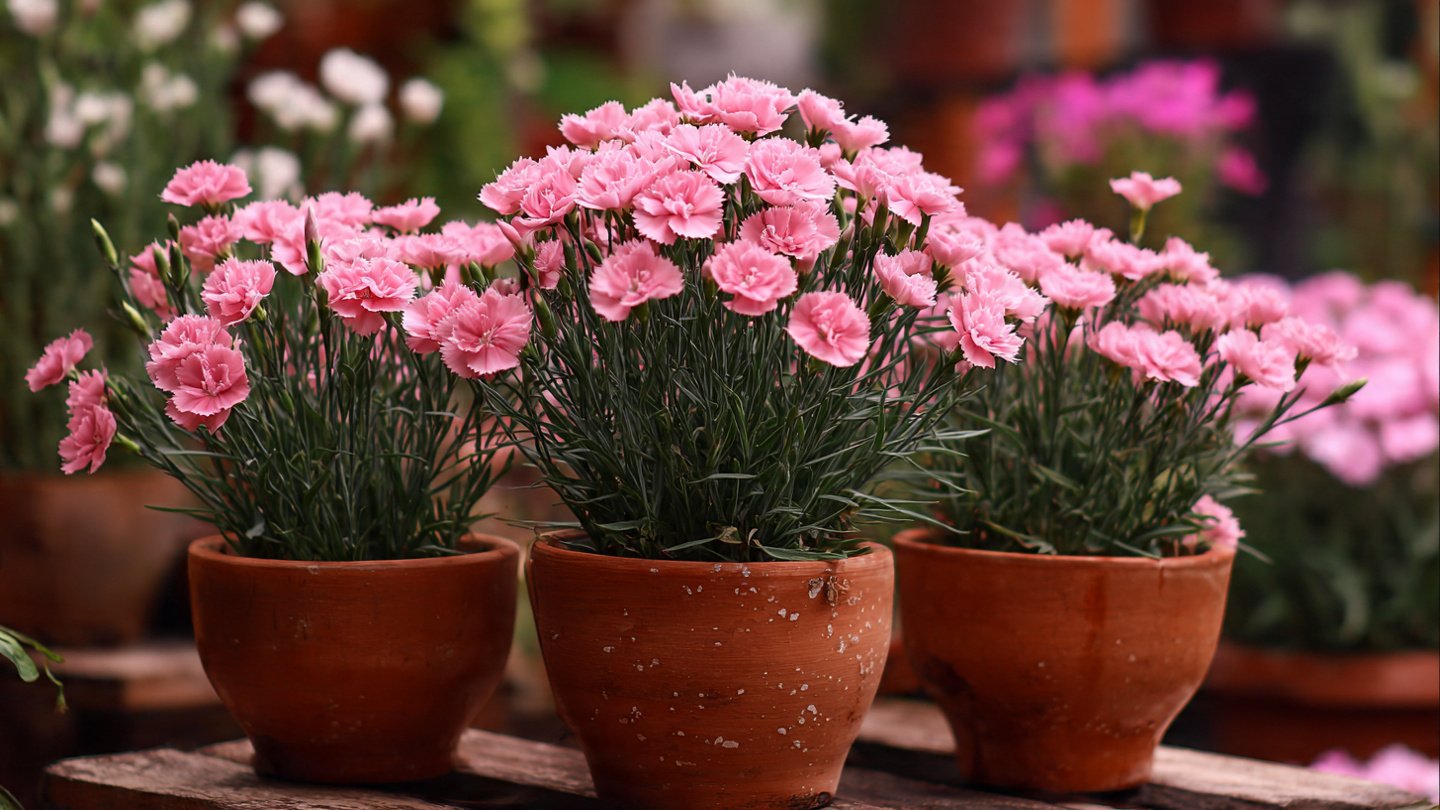
Dianthus, commonly known as carnations or pinks, is a popular perennial flowering plant that brings vibrant colors and delightful fragrances to any garden or home. This simple guide will walk you through the essentials of growing bushy Dianthus plants, from choosing the right varieties to maintaining their health and beauty.
Understanding Dianthus
Dianthus belongs to the Caryophyllaceae family and consists of several species, hybrids, and cultivars. The two most common types are:
- Dianthus caryophyllus (Carnations)
- Dianthus chinensis (China Pink)
Bushy Dianthus typically features compact growth and abundant flowers, making them excellent for borders, containers, or rock gardens.
Benefits of Growing Dianthus
- Aesthetic Appeal: These plants produce stunning, fragrant flowers in shades of pink, white, and red.
- Hardiness: Dianthus is resilient in various climates, thriving in USDA Zones 3 to 9.
- Low Maintenance: They require minimal care, making them ideal for novice gardeners.
- Pollinator Friendly: Their nectar attracts bees, butterflies, and other beneficial insects.
Choosing the Right Variety
When it comes to selecting the right Dianthus variety for your home, it’s essential to consider your garden’s climate and aesthetic preferences. Popular bushy varieties include:
- ‘Sweet William’: Brightly colored and fragrant, ideal for cut flowers.
- ‘Firewitch’: A compact variety with spiky flowers that thrive in rocky soil.
- ‘Dianthus gratianopolitanus’: Known for its sweet scent and tolerance to drought.
Choose varieties that suit your specific needs—whether for borders, containers, or for attracting pollinators.
Ideal Growing Conditions
Light Requirements
Dianthus plants thrive in full sun, requiring at least 6-8 hours of direct sunlight daily. A sunny location encourages vibrant blooms and robust growth.
Soil Requirements
Well-draining, alkaline to neutral soil is crucial for healthy Dianthus. Aim for:
- pH Level: 6.0 to 7.5
- Soil Type: Sandy or loamy soil rich in organic matter
You can amend the soil with compost or peat moss to improve drainage and nutrient content.
Watering Needs
Dianthus plants prefer moderate watering. While they enjoy moist soil, they dislike sitting in water. The key is to allow the top inch of soil to dry out between waterings.
Fertilization
Dianthus doesn’t require heavy fertilization. A balanced, slow-release fertilizer in early spring can encourage growth and blooming. Avoid high-nitrogen fertilizers, as they may produce lush foliage at the expense of flowers.
Planting Dianthus
When to Plant
The best time to plant Dianthus is in early spring or fall. Spring planting allows for established plants before summer heat, while fall planting ensures plants are ready to bloom in spring.
Planting Steps
- Prepare the Site: Clear the area of weeds and debris. Amend the soil with compost if necessary.
- Dig the Hole: Dig a hole that is twice as wide and as deep as the root ball of your Dianthus plant.
- Position the Plant: Place the plant in the hole, ensuring that the crown is level with the soil surface.
- Backfill: Fill in the hole with soil, firming it gently around the roots without compacting too tightly.
- Water: Water the newly planted Dianthus thoroughly to help establish the roots.
Maintaining Your Dianthus
Pruning
Pruning ensures bushy growth and maximizes flowering. Follow these steps:
- Deadheading: Remove spent blooms to encourage more flowers and prevent the plant from going to seed.
- Spring Cleanup: In early spring, trim back any dead or damaged foliage to promote healthy growth.
Pest and Disease Management
Dianthus plants are generally resistant to many pests and diseases, but be vigilant:
- Common Pests: Aphids, spider mites, and thrips can occasionally infest these plants.
- Diseases: Fungal diseases like rust can affect Dianthus. Proper spacing for airflow and avoiding overhead watering can help.
Winter Care
In colder climates, mulch around the base of your plants to protect their roots from frost damage. In warmer climates, Dianthus can be cut back slightly in late fall to prepare for winter.
Container Growing
Dianthus can thrive in containers, making them a versatile choice for patio or balcony gardens. Use a well-draining potting mix, and ensure the container has drainage holes. Regular watering and fertilizing will help maintain their health in containers.
Common Problems and Solutions
- Poor Flowering: Often caused by too much shade or inadequate nutrients. Ensure the plants receive sufficient sunlight and consider applying a balanced fertilizer.
- Wilting: This can be a sign of overwatering or underwatering. Check the soil moisture and adjust your watering schedule accordingly.
- Stunted Growth: May result from poor soil conditions. Adding compost or changing the location can aid in restoring health.
Conclusion
Growing bushy Dianthus plants at home can be a rewarding and delightful experience. With their vibrant colors, lovely fragrances, and relatively low maintenance, they are perfect for both novice and expert gardeners. By providing the right growing conditions, proper care, and attention to detail, you can enjoy a flourishing display of Dianthus blooms throughout the growing season.
FAQs
1. How often should I water Dianthus?
Water Dianthus when the top inch of soil feels dry. Generally, this means watering once or twice a week, depending on weather conditions.
2. Can I grow Dianthus in shade?
Dianthus typically prefers full sun, but some varieties may tolerate partial shade. However, flowering may be reduced in low-light conditions.
3. How can I encourage more blooms?
Regular deadheading of spent flowers and ensuring they receive adequate sunlight and nutrients can promote continuous blooming.
4. Are Dianthus plants deer-resistant?
Yes, most Dianthus plants are deer-resistant due to their scent and texture. However, hungry deer may still nibble on them.
5. Can I propagate Dianthus?
Yes, Dianthus can be propagated through cuttings or division. For cuttings, take a healthy stem in the spring, dip it in rooting hormone, and plant it in well-draining soil.
6. What should I do if my Dianthus has pests?
Inspect the plants regularly. If pests are found, treat them with insecticidal soap or neem oil, or remove them manually.
By following this guide, you’ll be well on your way to cultivating beautiful, bushy Dianthus plants in your home garden, enhancing your outdoor space with their charm and elegance.