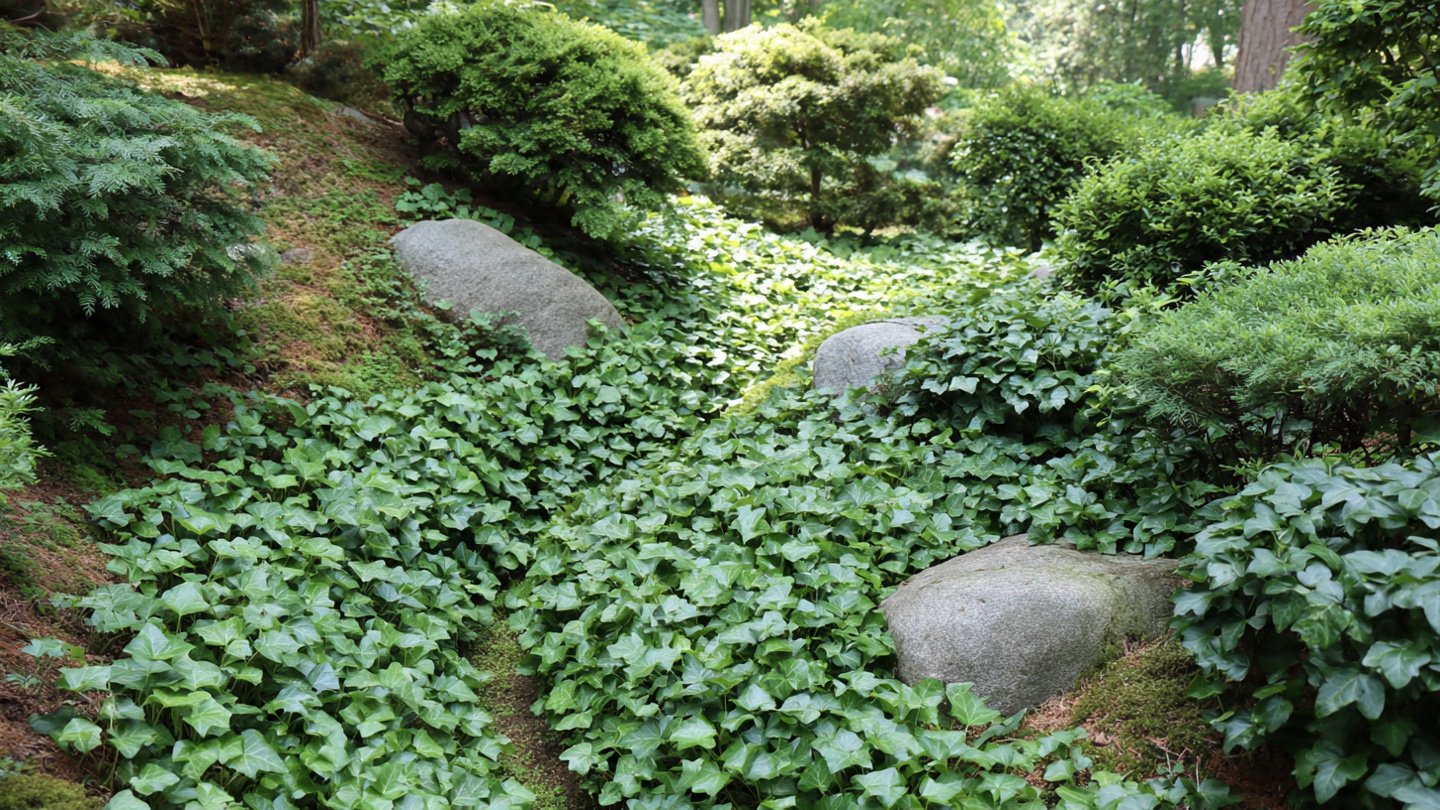
Ivy is a versatile and hardy plant that makes an excellent choice for ground cover, creating a lush, green carpet that can beautify landscapes while fulfilling various practical roles. Whether you aim to control erosion, suppress weeds, or enhance aesthetics, this guide provides essential information on selecting, planting, maintaining, and troubleshooting ivy as ground cover.
Why Choose Ivy?
Advantages of Ivy as Ground Cover
-
Erosion Control: Ivy’s extensive root system helps stabilize soil, making it an ideal choice for slopes and areas prone to erosion.
-
Weed Suppression: The dense growth habit of ivy minimizes sunlight reaching weeds, significantly reducing their growth.
-
Aesthetic Appeal: With its rich green leaves and vibrant growth, ivy provides year-round visual interest.
-
Low Maintenance: Once established, ivy requires minimal care, making it suitable for busy gardeners.
-
Adaptability: Ivy thrives in diverse conditions, including full sun, partial shade, and even full shade, making it a flexible choice for various landscapes.
Choosing the Right Ivy
Several species of ivy can be used as ground cover. The most common ones include:
1. English Ivy (Hedera helix)
- Description: English ivy features dark green leaves with a classic ivy shape. It is evergreen, meaning it retains its foliage year-round.
- Growth Habit: It can spread rapidly and climb if allowed, reaching up to 8 inches in height.
- Conditions: Prefers partial to full shade but can tolerate sun; thrives in well-draining soil.
2. Boston Ivy (Parthenocissus tricuspidata)
- Description: Known for its vibrant fall color, Boston ivy has distinct lobed leaves that turn red in autumn.
- Growth Habit: Usually grows to 20-30 feet, but as a ground cover, it will spread horizontally.
- Conditions: Best in full sun to partial shade; adapts to various soil types.
3. Algerian Ivy (Hedera canariensis)
- Description: This type showcases large, glossy leaves. The new growth is often reddish.
- Growth Habit: Grows slowly initially but gains speed as it establishes, climbing walls and trellises.
- Conditions: Prefers well-drained soils and can tolerate shade.
Preparing Your Site
Assessing Conditions
Before planting, evaluate your landscape’s conditions:
- Light: Determine how much sunlight the area receives daily.
- Soil: Test soil drainage and composition. Ivy prefers well-drained soil but can adapt to various types.
- Space: Consider how much space you have and where you want the ivy to spread.
Preparing the Soil
-
Clear the Area: Remove existing weeds, grass, and debris from the planting site. This prevents competition for nutrients and sunlight.
-
Soil Amendment: Loosen the soil with a garden fork or tiller. Mix in organic matter, such as compost, to enhance soil structure and nutrient content.
-
pH Level: Aim for a pH level between 6.0 to 7.5 for optimal growth. You can use a soil test kit to check this.
Planting Ivy
When to Plant
The best time to plant ivy is during the spring or fall when temperatures are moderate, and the risk of frost is minimal.
Planting Steps
-
Spacing: If planting multiple ivy plants, space them 12 to 18 inches apart to allow for sufficient growth.
-
Digging Holes: Make holes that are about two times wider than the root ball of the plant and equally deep.
-
Planting: Place the ivy in the hole, ensuring the top of the root ball is level with or slightly above the soil surface. Fill in around the roots with soil, firming it gently to eliminate air pockets.
-
Watering: Water thoroughly after planting to settle the soil around the roots. Keep the soil consistently moist (but not soggy) until established.
Maintaining Ivy Ground Cover
Watering
- Initially: Water regularly as the ivy establishes. This usually takes 2-4 weeks.
- Established Plants: Once established, ivy is drought-tolerant but benefits from occasional deep watering during extended dry periods.
Fertilizing
- Initial Fertilization: Use a balanced, slow-release fertilizer in early spring when new growth begins.
- Regular Maintenance: Fertilizing is typically not required after establishment unless the growth appears weak.
Pruning
- Control Growth: Ivy can spread aggressively. Prune as needed to keep it in bounds and maintain your desired look.
- Seasonal Maintenance: Trim back any dead or damaged leaves and cut back overly long vines.
Weeding
While ivy suppresses weeds, it’s essential to keep an eye out for invasive plants. Remove any unwanted vegetation, especially when the ivy is still establishing.
Troubleshooting Common Issues
Pests and Diseases
-
Common Pests: Aphids, spider mites, and scale insects can occasionally infest ivy. Use insecticidal soap or neem oil if necessary.
-
Diseases: Ivy is generally resistant to diseases, but it can suffer from root rot if overwatered. Ensure proper drainage to prevent this.
Yellowing Leaves
If the leaves start to yellow, it could indicate:
- Overwatering: Check the soil moisture.
- Nutrient Deficiency: Consider applying a balanced fertilizer.
- Too much sun: If the ivy is in full sun, consider a shadier spot.
Design Ideas with Ivy
Ivy can be creatively integrated into various landscape designs:
-
Rock Gardens: Use ivy in rock gardens to soften hard edges and fill gaps between stones.
-
Garden Borders: Plant ivy along walkways or garden beds as a living border that adds greenery and texture.
-
Container Gardening: Ivy can spill over the edges of containers, providing an attractive hanging effect.
-
Vertical Gardens: Train ivy to grow up trellises, fences, or walls for a stunning vertical display.
Environmental Considerations
Invasive Nature
While ivy can offer several benefits, it can become invasive if not properly managed. Be mindful of its growth and regularly prune it to control its spread, particularly if planting in natural areas.
Wildlife Attraction
Ivy can provide habitat and food for various wildlife species, such as birds and insects, contributing to a biodiverse ecosystem.
FAQs
Q1: How quickly does ivy grow as ground cover?
A: While growth rates vary by species and environmental conditions, ivy can establish itself within 2-3 months and begin spreading significantly in the first growing season.
Q2: Can ivy grow in full sun?
A: Most ivy species prefer partial shade but can tolerate full sun. However, ensure they receive adequate moisture to avoid stress during hot weather.
Q3: How do I remove ivy if it becomes invasive?
A: To remove invasive ivy, cut the vines at the base and carefully pull them from the ground. Ensure to remove all roots to prevent regrowth.
Q4: Is ivy safe for pets?
A: Some ivy species, like English ivy, are toxic to pets, causing digestive issues if ingested. Always check the species before planting if you have pets.
Q5: Can ivy be grown indoors?
A: Yes, ivy can be grown indoors in pots and hanging baskets, thriving in moderate light and requiring regular watering.
Conclusion
Growing ivy as ground cover can transform your landscape into a lush and vibrant space with minimal maintenance required. By choosing the right type of ivy, preparing the site, and providing consistent care, you can achieve a beautiful and functional ground cover that adds value to your property. Whether you want to control erosion, suppress weeds, or enhance your garden’s aesthetic appeal, ivy is an excellent choice for any gardener.