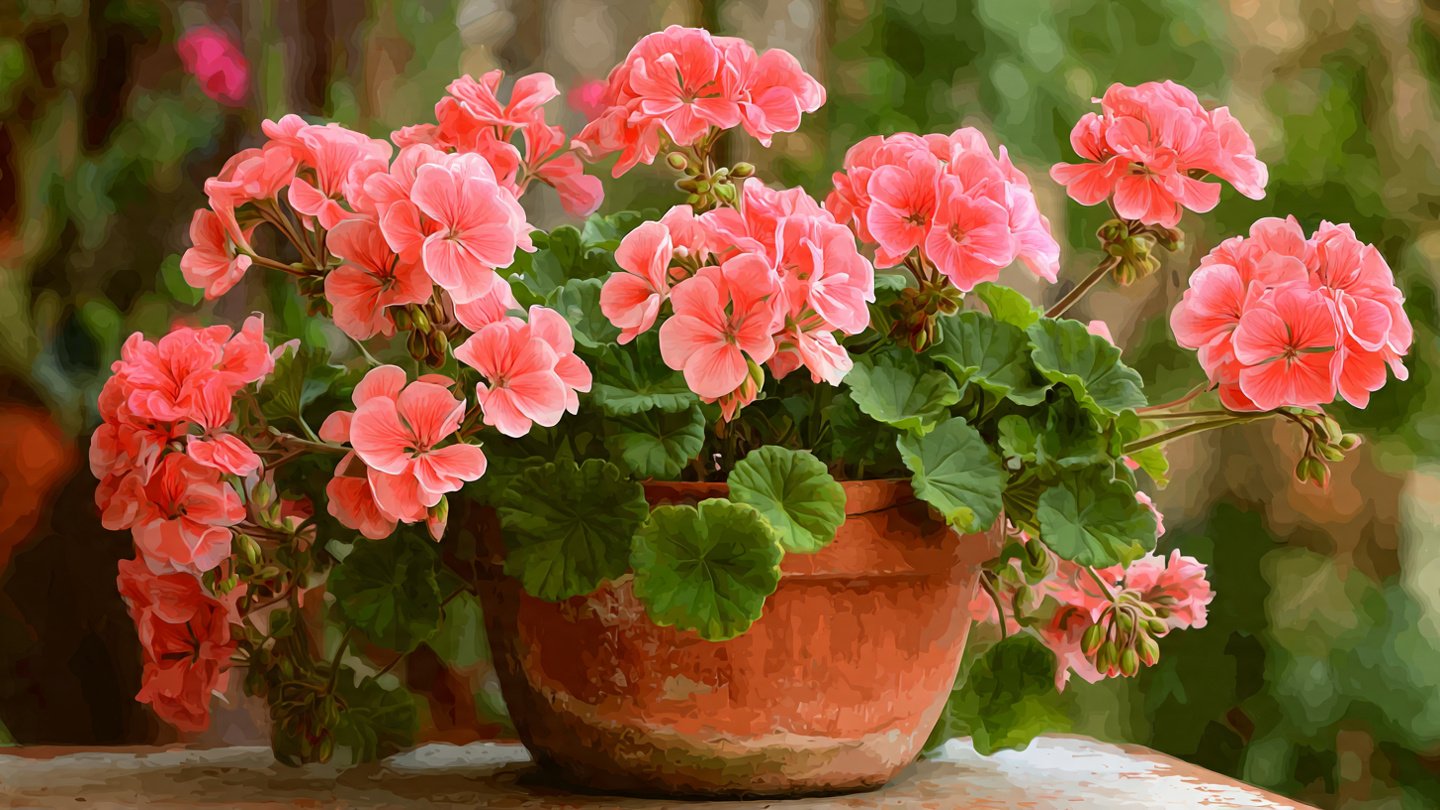
Geraniums are beloved for their vibrant flowers and lush foliage, making them a favorite among gardeners and horticulturists alike. Whether grown in pots, hanging baskets, or directly in the garden, geraniums bring color and life to any space. However, to achieve strong, healthy growth, a variety of techniques must be employed. In this comprehensive guide, we will explore simple yet effective techniques for growing geraniums successfully, including ideal growing conditions, watering, fertilization, pest control, and more.
Understanding Geraniums
Before diving into care techniques, it’s essential to understand the different types of geraniums. The most common varieties include:
- Zonal Geraniums: These are traditional garden geraniums with distinct leaf markings and vibrant flowers.
- Ivy Geraniums: Known for their trailing habit, ivy geraniums are excellent for containers and hanging baskets.
- Scented Geraniums: These have fragrant leaves and can be used for culinary purposes or natural potpourris.
Each type has specific needs, but the general care methods are broadly applicable.
1. Choosing the Right Location
Sunlight Requirements
Geraniums thrive in full sun, which means they require at least six hours of direct sunlight daily. A sunny garden spot or a south-facing windowsill is ideal. However, extreme afternoon heat can cause stress, so consider providing some shade during the hottest part of the day.
Soil Requirements
Geraniums prefer well-draining soil that retains some moisture without becoming soggy. A mix of potting soil with sand or perlite can provide excellent drainage. Soil pH should be around 6.0 to 7.0, ideally maintained with regular testing.
2. Planting Geraniums
When planting geraniums, timing is critical. In most regions, late spring is the best time to plant, but if you are in a warmer climate, you can plant in the fall as well. Here are the key steps for planting:
- Spacing: Give each geranium about 12 to 18 inches of space to ensure good air circulation.
- Depth: Plant them at the same depth they were growing in their pots.
- Water Post-Planting: Water thoroughly after planting to help establish roots.
3. Watering Geraniums
Proper watering techniques are vital for the health of geraniums. Overwatering is one of the most common mistakes, leading to root rot. Here are some watering guidelines:
- Frequency: Water when the top inch of soil feels dry. Typically, this means watering every few days in dry seasons and less frequently during cooler months.
- Technique: Water at the base of the plant to avoid wetting the leaves, which can promote fungal diseases.
- Signs of Watering Issues: Yellowing leaves may indicate overwatering, while wilting suggests underwatering. Adjust your watering schedule accordingly.
4. Fertilizing Geraniums
Fertilization helps promote robust growth and vibrant blooms. Here’s how to effectively fertilize your geraniums:
- Type of Fertilizer: Use a balanced, water-soluble fertilizer with equal parts nitrogen, phosphorus, and potassium (e.g., 20-20-20).
- Frequency: Fertilize every 4-6 weeks during the growing season, starting a month after planting.
- Dilution: Always follow the manufacturer’s instructions for dilution to avoid burning the roots.
5. Pruning and Deadheading
Pruning and deadheading are crucial for encouraging healthy growth and prolonging blooming.
- Deadheading: Remove spent flowers regularly to encourage new blooms. This process directs energy back into the plant rather than seed production.
- Pruning: In early spring, prune back any dead stems or overcrowded growth. This not only improves airflow but encourages bushier growth.
6. Pest and Disease Management
Like all plants, geraniums are susceptible to pests and diseases. Common issues include aphids, whiteflies, and fungal infections. Here are some management techniques:
- Inspections: Regularly inspect your plants for signs of pests or disease. Look for discolored leaves, spots, or a sticky residue, which can indicate the presence of aphids or other pests.
- Natural Solutions: Use insecticidal soap or neem oil to control infestations. For fungal issues, a fungicide may be necessary.
- Cultural Practices: Ensure adequate spacing, proper watering, and good airflow to minimize disease risk.
7. Propagation
Geraniums can be easily propagated from cuttings, allowing you to expand your collection without purchasing new plants. Here’s how:
- Select Cuttings: Choose healthy stems from mature plants.
- Cut and Prepare: Cut a stem about 4-6 inches long, removing the lower leaves.
- Rooting: Place the cut end in a glass of water or a container of moist potting soil. Cover with a plastic bag to maintain humidity.
- Transplanting: Once roots form (about 2-3 weeks), transplant into pots.
8. Seasonal Care
Geraniums show different requirements based on the season, particularly in temperate climates.
- Summer: Ensure they receive ample water and fertilizer.
- Winter: If you’re in a cooler climate, consider bringing potted geraniums indoors before the first frost. Place them in a sunny location and reduce watering.
9. Container Gardening
For those with limited space, geraniums are perfect for container gardening.
- Pot Selection: Use pots with drainage holes to prevent water accumulation.
- Soil Mix: Use a high-quality potting mix designed for containers.
- Positioning: Rotate pots occasionally to ensure all sides receive sun.
10. Enjoying Blooms
Geraniums bloom in vibrant hues, but maximizing their flowering potential involves a few tips:
- Light and Temperature: Ensure they receive sufficient sunlight and are not exposed to extreme temperatures.
- Encouragement: Regular deadheading and adequate fertilization can prolong blooming.
Conclusion
Geraniums are enduring blooms that can enhance your garden or indoor space with their colors and fragrances. By following these simple techniques, you can ensure your geraniums grow with strength and health. Remember, patience and consistency are key in gardening. As you nurture your plants, you will likely develop a deeper connection with them and enjoy the rewards they bring.
Frequently Asked Questions (FAQs)
1. How often should I water my geraniums?
- Water when the top inch of soil feels dry, typically every few days in warmer months.
2. Why are my geranium leaves turning yellow?
- Yellowing leaves may indicate overwatering, insufficient light, or nutrient deficiency.
3. Can I grow geraniums indoors?
- Yes, geraniums can thrive indoors if given enough sunlight, ideally in a south-facing window.
4. What pests should I look out for when growing geraniums?
- Watch for aphids, whiteflies, and spider mites. Early detection is essential for effective treatment.
5. How can I ensure continuous blooming?
- Regular deadheading and proper fertilization will encourage ongoing blooms throughout the growing season.
6. Are geraniums annuals or perennials?
- Zonal and ivy geraniums are typically grown as annuals, while some scented varieties can be perennials in warmer climates.
7. What is the best fertilizer for geraniums?
- A balanced, water-soluble fertilizer (like 20-20-20) is highly effective for promoting healthy growth and blooms.
By following these simple yet robust methods for growing geraniums, you can enjoy a flourishing garden filled with color, beauty, and life. Happy gardening!