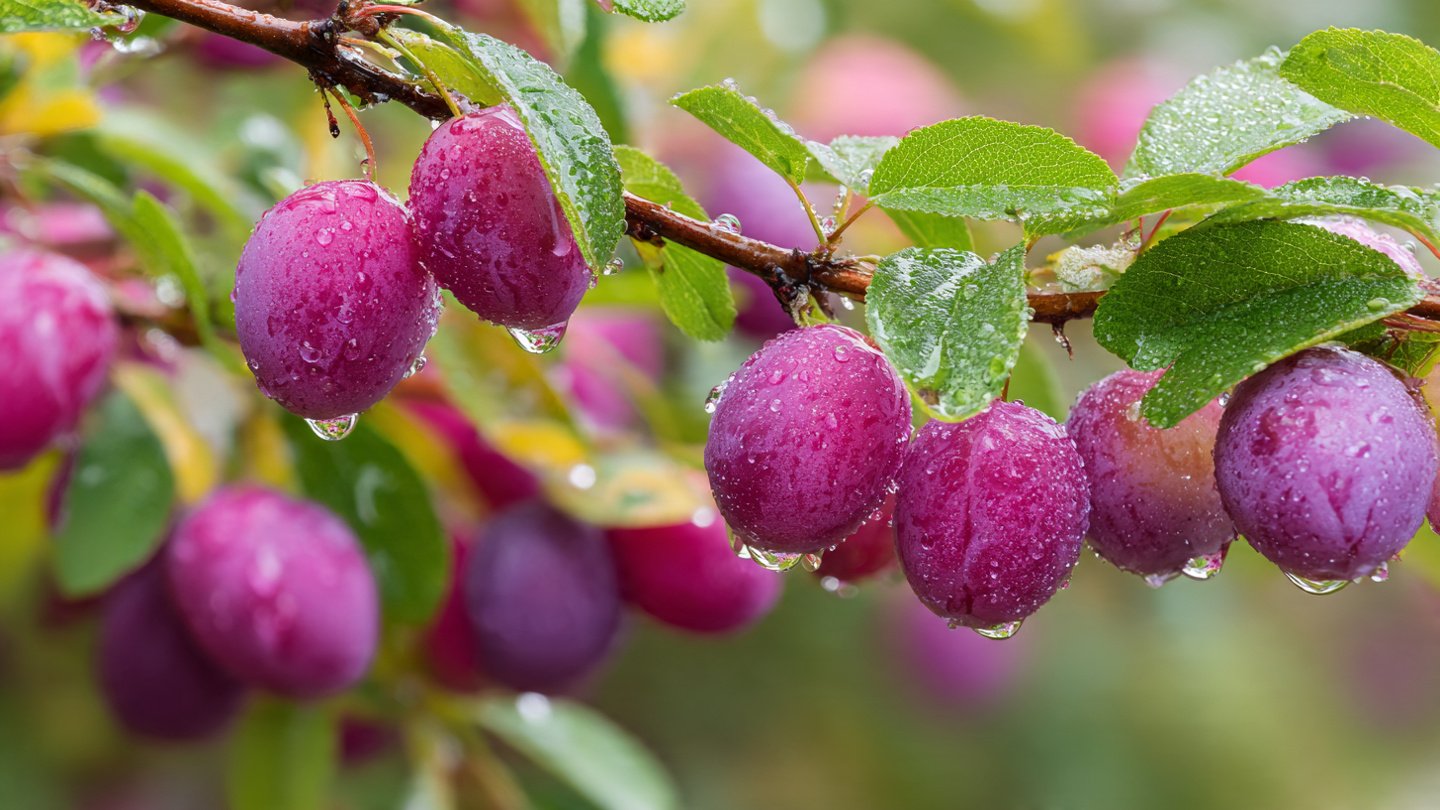
Growing plum trees in your backyard can be a rewarding venture, providing you with delicious fruit and enhancing the beauty of your landscape. With the right techniques, you can accelerate the growth of your plum trees, leading to fruitful harvests in less time. Whether you’re a seasoned gardener or just starting, this guide will explore the secrets to rapidly growing plum trees, covering everything from selecting the right varieties to effective pruning and care techniques.
1. Choosing the Right Variety of Plum Trees
1.1. Types of Plum Trees
Before you begin planting, choose the right variety for your climate and soil type. Common plum tree varieties include:
- European Plums: These are generally more cold-hardy and mature later in the season. Varieties include ‘Stanley’ and ‘Damson.’
- Japanese Plums: These are preferred for their sweet flavor and early ripening. Examples include ‘Santa Rosa’ and ‘Shiro.’
1.2. Considerations for Selection
- Climate Adaptation: Ensure the variety you choose is suitable for your USDA hardiness zone.
- Pollination: Some plum trees require cross-pollination to bear fruit, while others are self-pollinating.
2. Selecting a Suitable Planting Location
2.1. Sunlight Requirements
Plum trees thrive in full sunlight; they require at least 6-8 hours of direct sunlight each day. Avoid shaded areas from buildings or other trees that could hinder growth.
2.2. Soil Quality
- Well-Drained Soil: Plant in loamy, well-drained soil. Heavy clay or sandy soils can adversely affect growth.
- Soil pH: Aim for a pH level between 6.0 and 7.5, as this range is optimal for nutrient absorption.
2.3. Spacing
When planting multiple trees, provide adequate spacing to promote airflow and reduce competition for nutrients. Aim for about 15-20 feet apart.
3. Planting the Plum Tree
3.1. Preparing the Hole
Dig a hole that is twice the width of the root ball and equally deep. This allows the roots to spread easily.
3.2. Adding Amendments
Before planting, mix compost or well-rotted manure into the soil to enhance nutrient content. This can foster early root development and stimulate growth.
3.3. Planting Technique
Gently place the tree in the center of the hole, ensuring the roots are spread out. Cover with soil and water thoroughly to eliminate air pockets around the roots.
4. Watering Techniques
4.1. Establishing a Watering Schedule
Proper watering is crucial in the early stages. Initially, water every few days to maintain moisture. Once established, reduce frequency but ensure deep watering.
4.2. Best Practices for Watering
- Deep Watering: Encourage deep root growth by watering longer but less frequently.
- Mulching: Apply a layer of mulch around the base to retain moisture and suppress weeds.
5. Fertilization
5.1. Choosing Fertilizer
Opt for a balanced fertilizer with equal parts nitrogen, phosphorus, and potassium (N-P-K). A formula like 10-10-10 is often effective.
5.2. Timing Fertilization
- Early Spring: Fertilize in early spring before new growth appears.
- Follow-Up: You may reapply in late summer depending on growth and soil quality.
5.3. Avoid Over-Fertilization
Too much fertilizer can lead to excessive foliage growth at the expense of fruit production. Follow manufacturer guidelines for application rates.
6. Pruning for Growth
6.1. Importance of Pruning
Pruning enhances air circulation, light access, and encourages fruitful growth. It’s especially vital for young trees.
6.2. When to Prune
- Winter Pruning: Prune during the dormant season, typically late winter, to minimize stress.
- Summer Pruning: Light pruning can also occur in summer to manage growth.
6.3. Pruning Techniques
- Remove Suckers: Cut off any shoots from the base or roots.
- Thin Out Growth: Remove branches that are crossing or overly dense to promote a well-structured canopy.
7. Pest and Disease Management
7.1. Common Pests
Plum trees can be susceptible to pests like aphids, plum curculio, and spider mites. Regularly inspect trees and take action as needed.
7.2. Natural Pest Control
- Neem Oil: This organic substance can repel insects effectively.
- Beneficial Insects: Introduce ladybugs or lacewings to control pest populations.
7.3. Disease Prevention
Common diseases include brown rot and bacterial leaf spot. Ensure trees are healthy through proper watering and pruning to improve air circulation.
8. Ensuring Pollination Success
8.1. Planting Pollinators
If you choose a non-self-pollinating variety, plant compatible flowering plum trees nearby to encourage cross-pollination.
8.2. Attracting Pollinators
Encourage bees and other pollinators by planting flowering plants around your plum trees.
9. Preparing for Harvest
9.1. Signs of Ripeness
Plums are typically ready to harvest when they have developed full color and yield slightly to gentle pressure. Taste-testing also helps determine readiness.
9.2. Harvesting Techniques
Use pruning shears to cut the fruit from the branch, leaving a small stem attached to the plum for longevity.
10. Frequently Asked Questions (FAQs)
Q1: How long does it take for a plum tree to bear fruit?
A1: Depending on the variety and care, plum trees can take 3 to 6 years to produce fruit.
Q2: Can I grow plum trees in a container?
A2: Yes, dwarf varieties can be grown in containers; ensure the pot is large enough and has good drainage.
Q3: How often should I water my plum trees?
A3: Newly planted trees need regular watering, about once every few days. Once established, watering should occur weekly unless there is significant rainfall.
Q4: What is the best time of year to fertilize plum trees?
A4: The best time to fertilize is in early spring before the growing season starts, with a second application in late summer if necessary.
Q5: How do I know if my plum tree is healthy?
A5: Healthy plum trees will have vibrant leaves, robust growth, and no signs of disease or pest infestation.
Q6: What should I do if my plum tree isn’t producing fruit?
A6: Ensure proper pollination, sunlight exposure, and nutrient availability. It may also be beneficial to check if the tree is overly young or stressed.
By implementing these techniques, you can enhance the growth and productivity of plum trees in your backyard, making the most of your gardening efforts. The right care will lead to bountiful harvests, allowing you to enjoy homegrown plums year after year. Happy gardening!