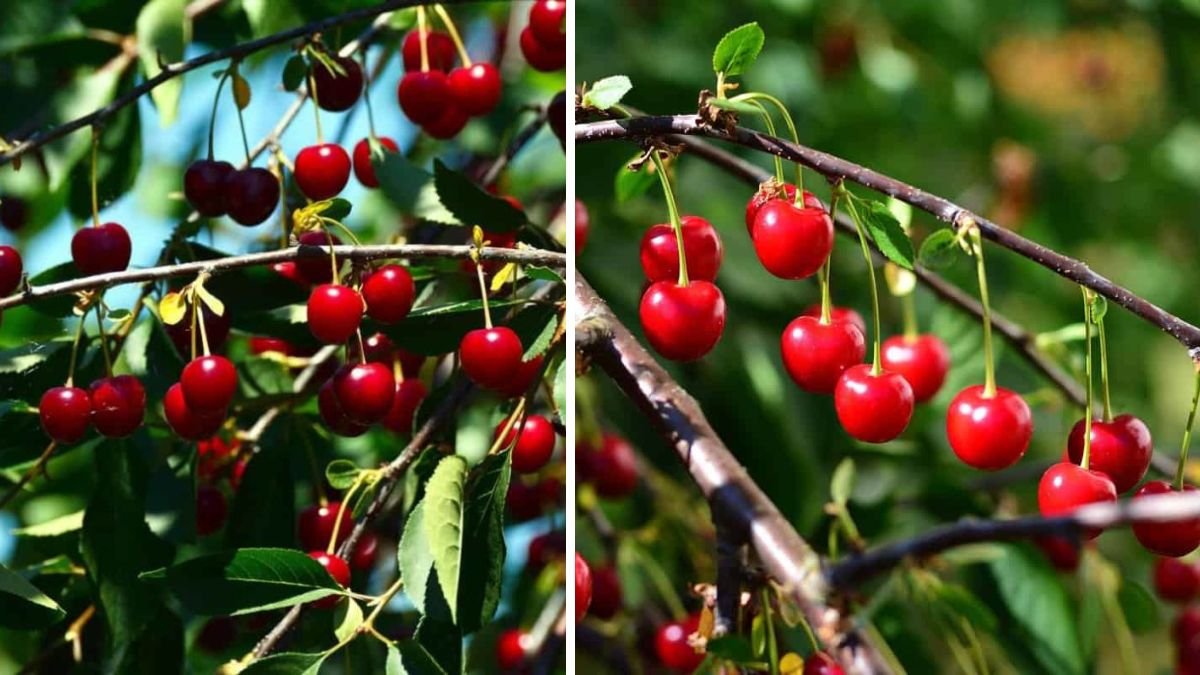
Cherries are among the most beloved fruits around the world, known for their vibrant flavor and versatility—used in jams, desserts, and enjoyed fresh. However, the journey from planting to harvesting can often seem daunting, especially for novice gardeners. This guide aims to demystify the process, offering insights into techniques that can lead to rapid cherry production.
Understanding Cherry Trees
Types of Cherry Trees
Before diving into rapid production techniques, it’s essential to understand the two primary types of cherry trees:
-
Sweet Cherries (Prunus avium): Known for their delightful flavor and eaten fresh, sweet cherries require a pollination partner for fruiting.
-
Sour Cherries (Prunus cerasus): These are often used in cooking and baking, requiring less care but still benefitting from good growing conditions.
Choosing the right variety for your climate is crucial for successful gardening. Research local conditions and select varieties that thrive in your area.
Soil Requirements
Cherries prefer well-drained, sandy loam with a pH range between 6.0 and 7.0. Heavy clay soils can hold too much moisture, leading to root rot. If you have heavy soil, consider raised beds or mixing in organic matter to improve drainage.
Fast Fruiting Techniques
To encourage rapid cherry production, several techniques can be employed. From soil management practices to specific cultivation methods, each contributes to a fruitful cherry tree.
1. Proper Planting Techniques
The Right Time to Plant: Planting is critical; early spring or fall is the ideal time to plant cherry trees. This timing allows the root system to establish before the tree is exposed to the stress of summer heat or winter cold.
Spacing: When planting multiple trees, make sure to space them appropriately—typically 20 to 30 feet apart. Adequate air circulation helps prevent diseases and encourages faster growth.
Depth: Ensure that your cherry trees are planted at the right depth. The graft union (the swollen area where the tree was grafted) should be at soil level, preventing rot and promoting a healthier tree.
2. Fertilization Strategies
Cherry trees benefit from a balanced fertilization regimen. A slow-release fertilizer with equal parts nitrogen, phosphorus, and potassium can provide essential nutrients. Apply in early spring as growth begins.
Organic Options: Incorporating compost or well-rotted manure can also enrich the soil. These organic materials improve soil structure, enhance moisture retention, and introduce beneficial microorganisms.
3. Pruning for Productivity
Pruning cherry trees is essential for both health and productivity.
Initial Pruning: Right after planting, prune back any dead or damaged branches. Aim for a central leader—a main trunk that promotes downward spreading branches.
Annual Pruning: Regular pruning each winter or early spring (before new growth starts) helps remove dead or crossing branches, maintaining an open center for sunlight and air circulation, essential for fruiting.
Selective Thinning: In late spring, once the trees begin to flower, consider thinning some of the blooms to allow the tree to focus its energy on fewer, high-quality fruits rather than a mass of smaller, less flavorful ones.
4. Water Management
Watering is another essential factor for rapid cherry production.
Establishment Phase: During the first year, water young trees weekly, especially in dry spells. A deep watering encourages root growth.
Drip Irrigation: Consider installing a drip irrigation system. This method conserves water while delivering it directly to the root zone.
Mulching: Applying mulch around the base can help retain soil moisture and suppress weeds. Use organic mulch like wood chips or straw, which also adds nutrients to the soil as it decomposes.
5. Pollination Considerations
As mentioned, sweet cherries require cross-pollination to bear fruit. Planting at least two compatible varieties within proximity can significantly enhance fruit set and improve yields.
Insects for Pollination: Bees are crucial for pollination, so garden practices that support their populations—like planting flowers nearby or avoiding pesticide use during bloom—can foster better fruiting.
6. Pest and Disease Management
Managing pests and diseases is crucial for maintaining healthy cherry trees:
Integrated Pest Management (IPM): Employ preventive measures like introducing beneficial insects that prey on common cherry pests. Regularly inspect leaves and fruit for signs of infestation and take action immediately if necessary.
Fungal Diseases: Powdery mildew and cherry leaf spot can affect cherry trees. Applying organic fungicides or making sure your trees are pruned for good airflow can help mitigate risks.
7. Choosing the Right Rootstock
Using dwarfing rootstocks can expedite fruit production. Dwarf cherry trees will often bear fruit earlier than standard varieties and are also easier to manage in terms of space.
8. Blossom Thinning
Once your trees begin to bloom, thinning blossoms after the initial flowering can promote better fruit quality. Fewer fruits mean that the tree can devote more energy to developing larger, sweeter cherries.
Additional Tips for Success
Environmental Factors
Sunlight: Cherry trees need full sunlight for at least six to eight hours a day. If planted in partial shade, you may see a reduction in fruit quantity and quality.
Temperature: These trees need cold winter temperatures to break dormancy properly. While they tend to fare well in temperate climates, extreme heat can negatively affect fruit development.
Harvesting Techniques
Timing is everything when harvesting cherries. They should be picked when they are fully ripe for the best flavor. Look for bright color and a slight softness. Regularly check the trees to harvest ripe fruit quickly, as cherries can spoil if left on the tree too long.
FAQs
1. What is the best time to plant cherry trees?
The best time to plant cherry trees is in early spring or fall, allowing them to establish their roots before extreme weather conditions set in.
2. How much sunlight do cherry trees need?
Cherry trees require full sunlight, needing at least six to eight hours of direct sunlight daily to thrive and produce fruit.
3. Can cherry trees grow in pots?
Yes, cherry trees can be grown in pots, especially dwarf varieties. Ensure the pot is large enough for the roots and provides good drainage.
4. Do I need more than one cherry tree to produce fruit?
Yes, sweet cherries require at least one compatible variety for cross-pollination, while sour cherries can self-pollinate.
5. How can I tell when cherries are ripe?
Cherries are ripe when they are brightly colored, slightly soft to the touch, and easily come off the stem when gently pulled.
6. What soil type is best for cherry trees?
Cherries thrive in well-draining, sandy loam soil with a pH between 6.0 and 7.0. Avoid heavy clay soils that can retain too much moisture.
7. How often should I water my cherry trees?
Water cherry trees weekly during dry periods in their establishment phase. After that, they may require less frequent watering, depending on rainfall and soil conditions.
Conclusion
Growing cherries doesn’t have to be a lengthy endeavor. By understanding the needs of your cherry trees and employing fast fruiting techniques, you can enjoy bountiful harvests in no time. From soil preparation to proper pruning and pest management, every step you take can lead to healthier trees and delicious fruit. With patience and care, your cherry trees can flourish, bringing joy and flavor to your table.