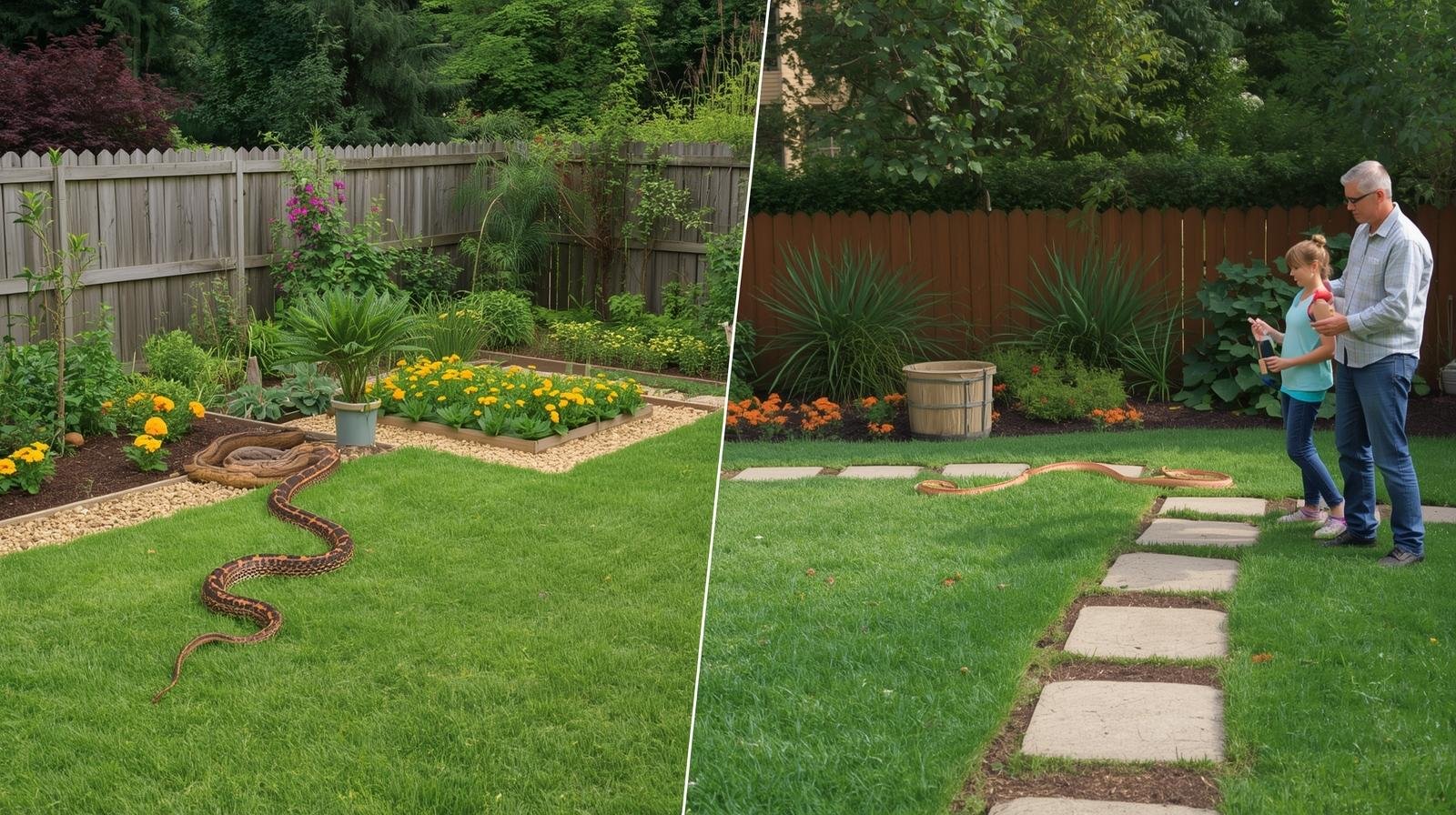
Introduction: Understanding the Need for Snake Safety in Gardens
Snakes are often misunderstood but important for ecosystems. Many feed on pests like rodents and insects. However, gardeners may want to keep them away from vegetable patches. Safe, non-lethal methods reduce conflict. Harmful approaches can disrupt balance. Humane strategies protect both humans and snakes. Understanding behavior is key. Gardens can remain snake free naturally.
Why Snakes Enter Gardens
Snakes enter gardens searching for food and shelter. Rodents, insects, and amphibians attract them. Dense vegetation provides cover. Mulch and debris create hiding spaces. Water features offer hydration. Warm soil attracts reptiles for basking. Recognizing attractants helps prevention. Gardens with rodent issues are especially vulnerable.
Identifying Common Non-Venomous and Venomous Snakes
Non-venomous snakes help control pests. Venomous snakes pose safety risks. Understanding species helps gardeners respond appropriately. Look for distinct markings and body shapes. Seek professional advice if unsure. Correct identification prevents unnecessary harm. Knowledge ensures human and animal safety.
Removing Attractants from Your Garden
Keep gardens clean to reduce shelter opportunities. Remove wood piles and debris. Store compost securely. Trim dense shrubs near pathways. Reduce rodent activity with safe methods. Clean garden equipment. Dry moist areas where snakes hide. Attractants removal decreases encounters.
Using Natural Barriers
Install low fencing to discourage snakes. Fine mesh around vegetable beds prevents entry. Stone or gravel borders reduce burrowing. Avoid plastic sheets that trap snakes. Barriers should be continuous and secure. Natural landscaping edges help control movement. Proper design keeps snakes out safely.
Maintaining Lawn and Garden Hygiene
Regular mowing discourages snakes. Remove fallen leaves and branches. Maintain open sightlines. Snakes prefer cover for ambush. Clean garden debris weekly. Remove cluttered corners. Healthy soil management reduces hiding spots. Routine care is preventive.
Encouraging Natural Predators of Rodents
Owls, hawks, and cats reduce rodent populations. Fewer rodents reduce snake presence naturally. Birdhouses attract birds of prey. Avoid rodenticides that harm food chains. Balanced predator-prey dynamics maintain garden safety. Encourage wildlife responsibly. Natural control is effective long term.
Using Repellent Plants
Certain plants deter snakes safely. Marigolds and lemongrass emit scents snakes dislike. Garlic and wormwood add protective zones. Plant near borders and pathways. Combine with other deterrents for effectiveness. Regular care maintains potency. Plants offer double benefits for aesthetics and protection.
Essential Oils as Safe Snake Deterrents
Essential oils like clove or cinnamon can repel snakes. Dilute oils in water and spray borders. Avoid direct contact with plants excessively. Reapply after rain. Monitor effectiveness and adjust concentrations. Oils provide chemical free deterrence. Safe for pets and humans.
Physical Traps and Exclusion Devices
Humane traps catch snakes temporarily. Relocate snakes away from human habitation. Avoid harming the snake. Exclusion devices block entry points. Cover holes and gaps in fences. Regular monitoring ensures efficiency. Non-lethal strategies maintain ecological balance.
Avoiding Habitats That Attract Snakes
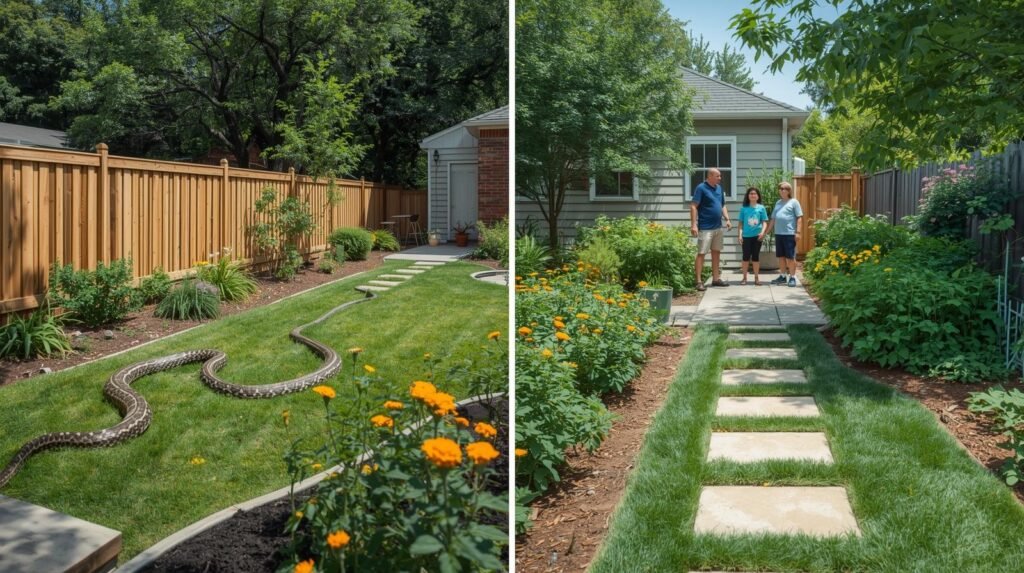
Do not leave pond edges overgrown. Remove excessive mulch near doors. Avoid stacked firewood near walkways. Keep compost contained. Clear excessive shade. Reduce hiding places around structures. Garden design impacts snake presence. Proper planning prevents conflict.
Educating Family Members About Snake Safety
Teach children to avoid snakes. Identify safe and unsafe snakes. Encourage observation at a distance. Do not attempt handling. Educate on safe response during encounters. Knowledge reduces fear. Safety awareness prevents accidents. Family education is crucial.
Safe Garden Lighting Strategies
Bright lights discourage nocturnal snake activity. Motion sensor lights reduce surprises. Pathway lighting improves visibility. Avoid lights that attract rodents. Proper illumination enhances security. Daytime visibility also helps monitoring. Lighting is preventive without harm.
Avoiding Common Mistakes That Encourage Snakes
Ignoring clutter creates hiding spaces. Using poisons harms wildlife. Leaving food scraps attracts rodents. Overwatering encourages amphibians. Not securing borders allows entry. Mistakes amplify risk. Awareness ensures preventive measures work.
Monitoring Garden Regularly
Check under logs, stones, and compost. Identify footprints or trails. Early detection prevents issues. Observe patterns without disturbance. Record sightings to adjust strategies. Consistency increases effectiveness. Monitoring prevents surprises.
Long Term Benefits of Humane Snake Management
Gardens stay safe for humans and pets. Snakes remain unharmed. Rodent populations stay controlled. Biodiversity remains balanced. Sustainable gardens thrive. Eco-friendly practices gain trust. Long term care improves garden enjoyment.
Creating a Snake-Safe Garden Design
Design paths for clear sightlines. Avoid thick dense patches near play areas. Combine barriers with natural repellent plants. Plan water features carefully. Incorporate elevated planting areas. Safe layout prevents encounters. Design impacts safety and aesthetics.
Table: Safe Snake Deterrent Methods
Method
Removing attractants reduces entry points
Method
Installing low fencing blocks snake access
Method
Planting marigolds lemongrass and garlic
Method
Using diluted essential oil sprays
Method
Monitoring garden regularly for activity