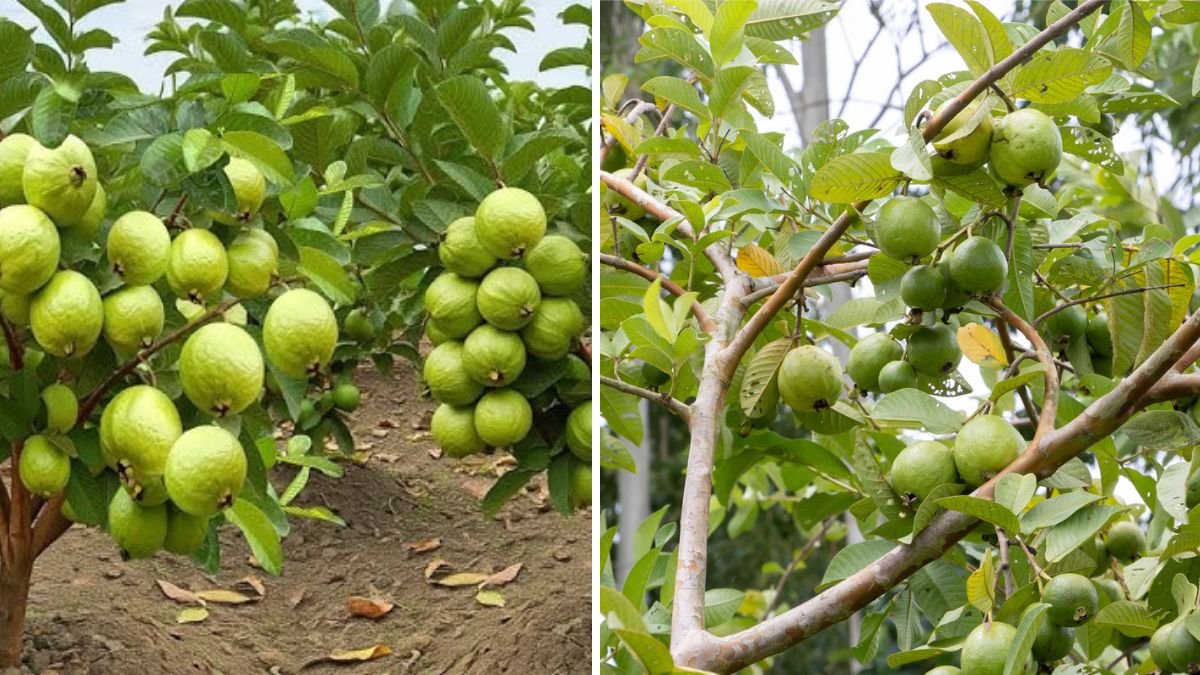
Guava trees are among the most cherished fruit trees for home gardeners and commercial farmers alike. Known for their delicious, vitamin-rich fruits and resilience in tropical climates, guava trees can be a rewarding addition to any garden. However, growing guava trees from seeds comes with a significant drawback: the quality of the fruit is unpredictable, and it may take several years before the tree bears fruit.
This is where grafting comes in—a proven method for producing high-quality, consistent fruit in a shorter time. Recently, horticulturists have developed a new technique for grafting guava trees that promises higher success rates, faster growth, and healthier trees. In this article, we’ll explore this innovative method, step-by-step guidance for implementation, and tips to ensure your guava grafting journey is a success.
1. Why Grafting Guava Trees Matters
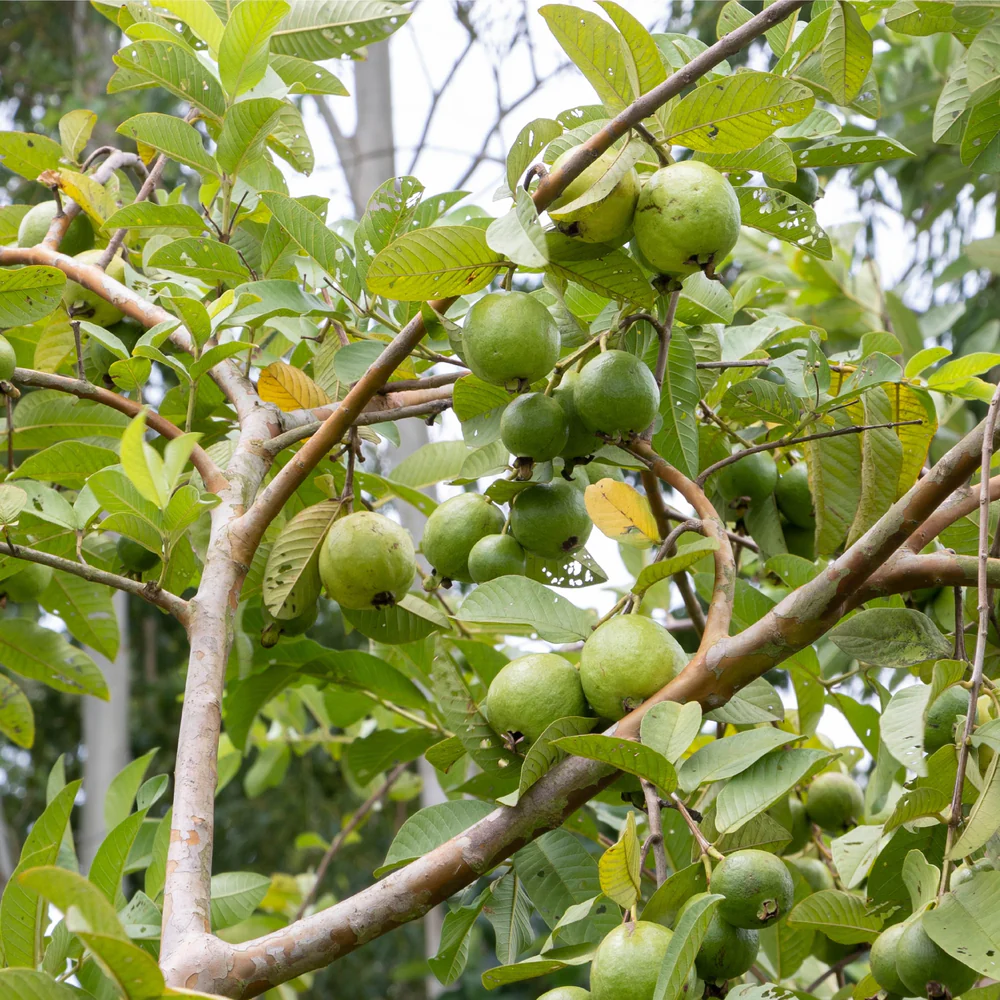
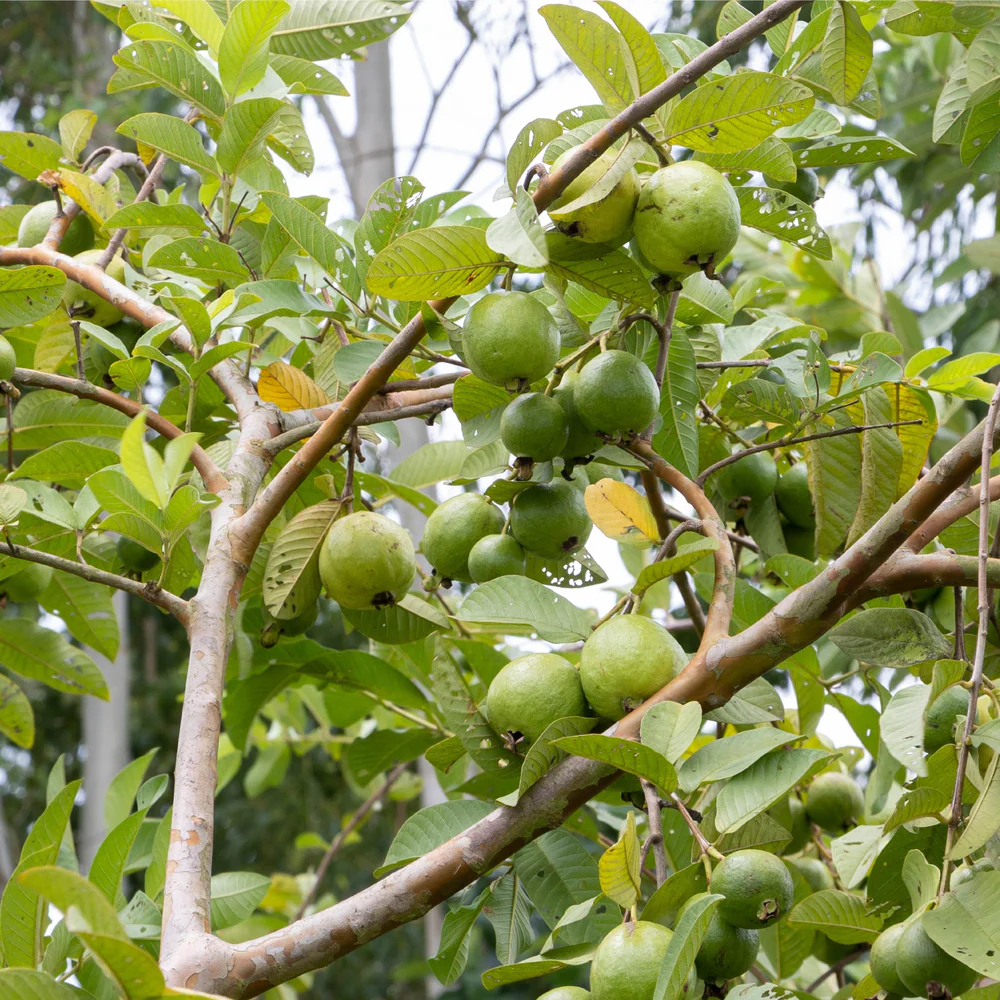
Grafting is a horticultural technique where the branch or bud of a desired guava variety (called the scion) is joined to a compatible rootstock. The rootstock provides the root system, while the scion produces the fruit. Here’s why grafting is preferred over growing guava from seeds:
- Consistent Fruit Quality: Unlike seed-grown trees, grafted trees inherit the traits of the parent tree.
- Faster Fruit Production: Grafted guava trees can start producing fruit within 2–3 years, compared to 5–8 years from seeds.
- Disease Resistance: Selecting a robust rootstock can improve resistance to soil-borne diseases.
- Compact Tree Size: Grafting allows better control of tree shape and size, ideal for home gardens and high-density orchards.
Traditional grafting methods like cleft grafting and veneer grafting are widely used. However, the new technique focuses on improving survival rates and enhancing nutrient flow between scion and rootstock, making it particularly effective for small-scale and commercial growers.
2. Introducing the New Grafting Technique
The new grafting technique combines principles of approach grafting and mini-budding, ensuring a higher success rate even under less-than-ideal conditions. This method is designed to:
- Minimize water stress on young grafts
- Improve cambium layer contact for faster healing
- Reduce the risk of graft failure due to environmental stress or disease
This technique can be applied to guava varieties such as Allahabad Safeda, L-49, Red Malaysian, and local cultivars.
3. Step-by-Step Guide to the New Guava Grafting Technique
Step 1: Selecting Rootstock and Scion
- Choose a healthy, disease-free rootstock, preferably 6–12 months old.
- Select a vigorous scion from a mature guava tree that produces high-quality fruits. Ensure the scion has 2–3 buds.
Step 2: Preparing the Rootstock
- Trim the rootstock to a height of 30–40 cm above the ground.
- Make a vertical slit about 2–3 cm long on the rootstock’s stem using a sharp, sterile knife.
Step 3: Preparing the Scion
- Cut the scion to match the slit in the rootstock. The cambium layers (green tissue just beneath the bark) must align perfectly for successful grafting.
- Remove any leaves on the lower half of the scion to prevent moisture loss.
Step 4: Joining Scion and Rootstock
- Insert the scion into the slit of the rootstock carefully. Ensure the cambium layers are in full contact.
- Wrap the graft with grafting tape or parafilm to secure it. This also prevents moisture loss and protects the graft from pests and infections.
Step 5: Post-Grafting Care
- Place the grafted plant in a shaded area for 2–3 weeks. Avoid direct sunlight during this critical healing period.
- Keep the soil moist but not waterlogged.
- Remove the tape after 3–4 weeks once the graft shows signs of successful union (new leaf growth or swelling at the graft junction).
4. Advantages of the New Grafting Technique
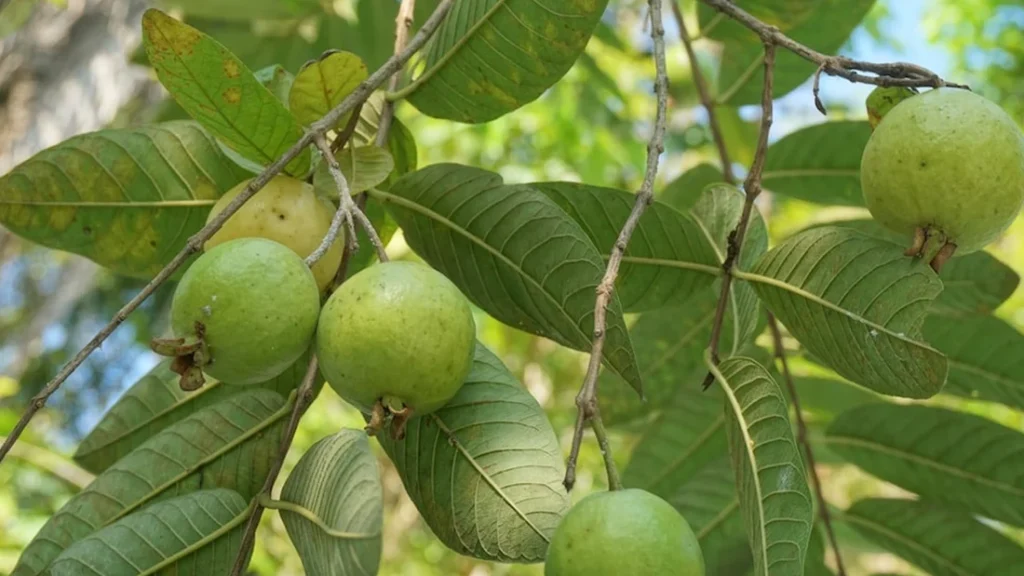
The new grafting technique offers several distinct benefits over traditional methods:
- Higher Success Rate: By improving cambium contact and reducing water stress, the survival rate of grafted plants increases significantly.
- Faster Growth: Improved nutrient flow between rootstock and scion accelerates growth and early fruiting.
- Better Adaptation: The technique is suitable for various climates and soil conditions, making it accessible for diverse regions.
- Reduced Labor: Once mastered, the method is easier and faster than conventional grafting techniques, allowing more trees to be grafted in less time.
5. Common Challenges and How to Overcome Them
Even with the new technique, grafting guava trees can present some challenges. Here’s how to overcome them:
- Graft Failure: Often caused by misaligned cambium layers or dehydration. Ensure proper alignment and maintain moisture around the graft.
- Pest Infestation: Aphids or ants may attack the young graft. Use mild, organic pesticides or physical barriers to protect it.
- Environmental Stress: Sudden temperature changes or strong winds can harm the graft. Keep young grafts in a sheltered area until they stabilize.
6. Caring for Grafted Guava Trees
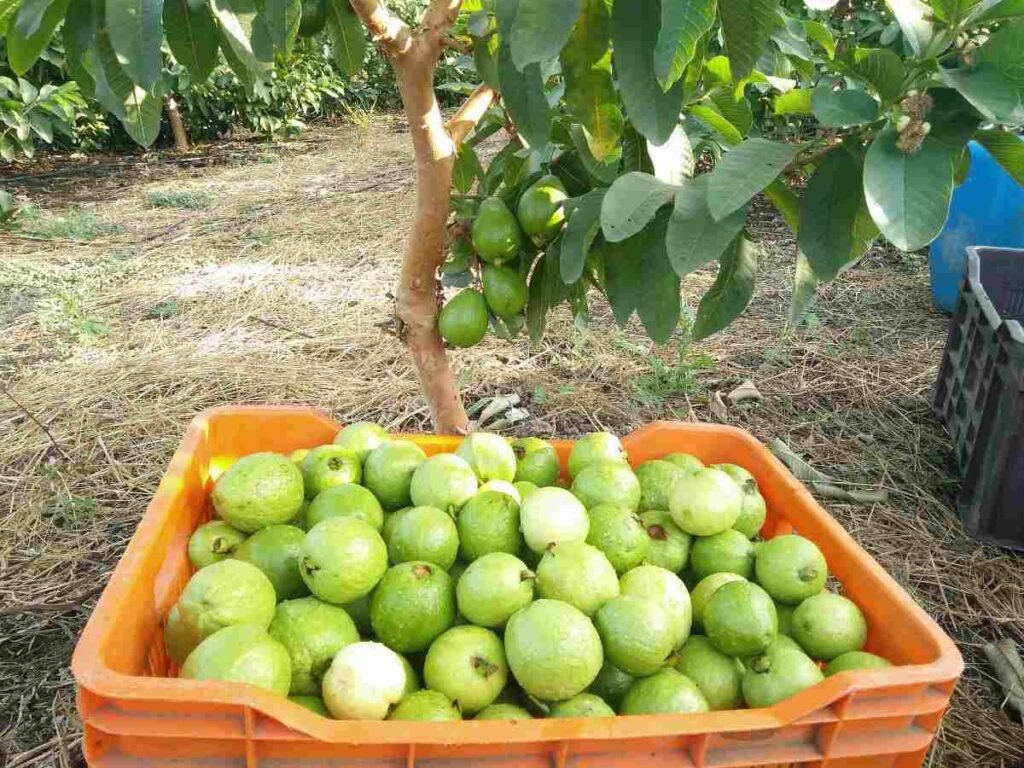
Once your grafted tree is established, proper care is essential to maximize fruit production:
- Watering: Water regularly, especially during dry periods, but avoid waterlogging.
- Fertilization: Apply balanced fertilizers (NPK 10:10:10) every 2–3 months during the first year. Organic compost or well-rotted manure is also beneficial.
- Pruning: Remove any shoots from the rootstock below the graft. Prune the top to encourage lateral branching and better fruiting.
- Pest and Disease Control: Monitor for common guava pests like fruit flies and scale insects. Use integrated pest management practices.
7. Conclusion
Grafting guava trees is a transformative technique for gardeners and farmers seeking better fruit quality, faster yields, and healthier trees. The new grafting technique improves survival rates, accelerates growth, and is adaptable to different environmental conditions, making it a game-changer for guava propagation.
By selecting the right rootstock and scion, carefully executing the graft, and providing diligent post-grafting care, you can enjoy abundant, high-quality guava fruits in a shorter time. Whether you are cultivating guava for personal consumption or commercial purposes, mastering this innovative grafting method will ensure your orchard thrives for years to come.
Grafting is not just a horticultural skill—it’s a way to transform your gardening efforts into a fruitful, rewarding experience. Start experimenting with this new technique, and watch your guava trees flourish like never before.