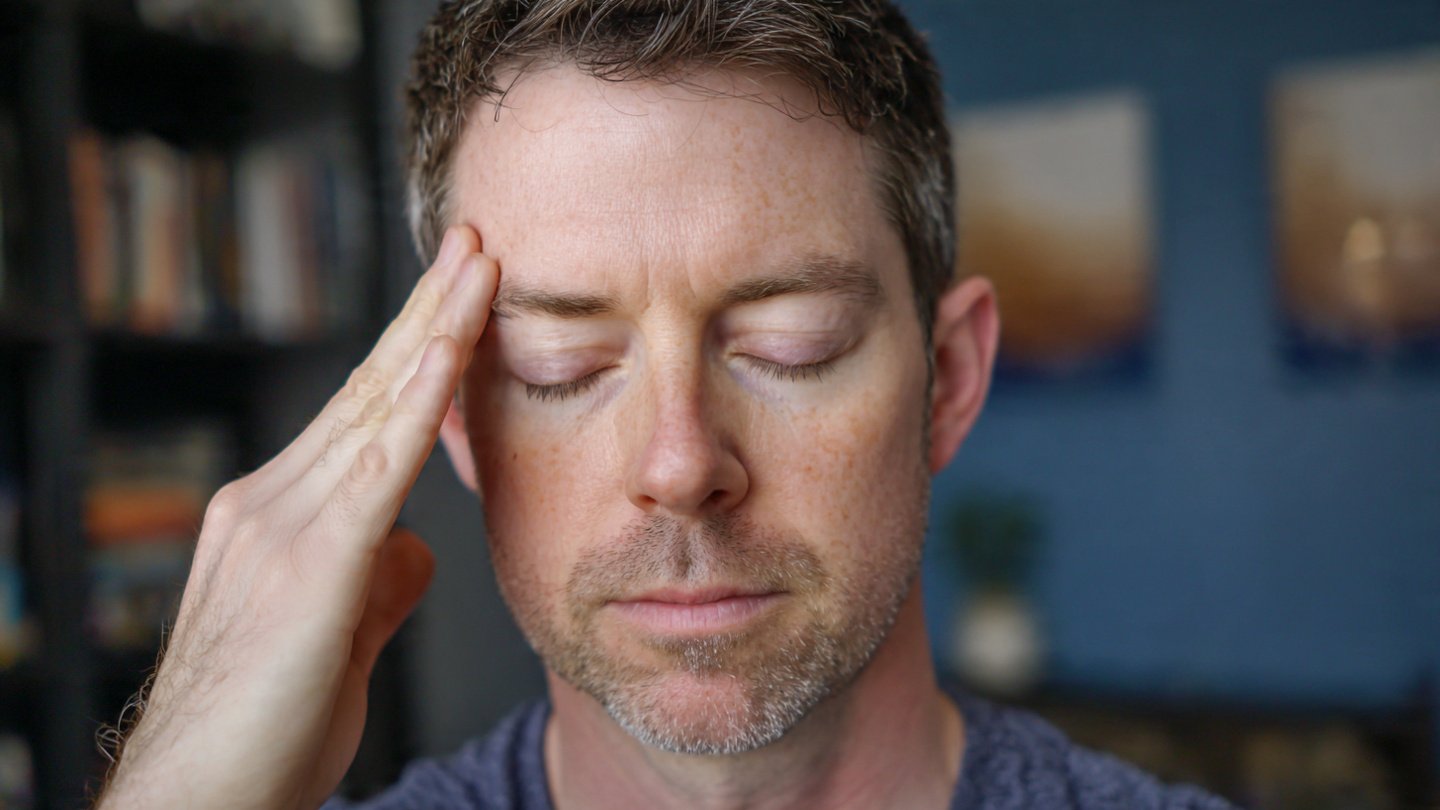
In our fast-paced world, feelings of anxiety and distraction can often overwhelm us. Whether you’re facing a hectic workday, preparing for an important presentation, or simply trying to manage daily life, finding ways to reset your mind for calm and focus is essential. The following techniques are designed to help you quickly regain a sense of peace and clarity, allowing you to tackle challenges with ease.
1. Deep Breathing Exercises
Deep breathing exercises are one of the most effective ways to calm your mind and body. When we experience stress, our breathing often becomes shallow, which can exacerbate feelings of anxiety. By consciously focusing on your breath, you can activate your body’s relaxation response.
Technique: Find a comfortable place to sit or stand. Inhale deeply through your nose, allowing your abdomen to expand, and hold the breath for a moment. Then exhale slowly through your mouth. Repeat this process for five to ten cycles, focusing your attention solely on the rhythm of your breath.
2. Mindfulness Meditation
Mindfulness meditation emphasizes being present in the moment without judgment. It trains your brain to focus and reduces stress levels, making it a powerful tool for resetting your mental state.
Technique: Sit in a quiet place and close your eyes. Focus on your breathing. When thoughts arise, acknowledge them without judgment and gently bring your attention back to your breath. Start with five minutes and gradually extend the duration as you become more comfortable with the practice.
3. Progressive Muscle Relaxation
This technique involves systematically tensing and relaxing different muscle groups in your body, which can help release physical tension and promote relaxation.
Technique: Start at your feet and work your way up to your head. Tense each muscle group for five seconds, then release and focus on the sensation of relaxation. Continue this process through all the major muscle groups in your body.
4. Visualization Techniques
Visualization is a powerful mental exercise that can enhance focus and calmness. By imagining a peaceful scene or a successful outcome, you can create a sense of calm and motivation.
Technique: Close your eyes and visualize a place where you feel safe and relaxed. It could be a beach, a forest, or a cozy room. Engage all your senses; imagine the sounds, smells, and sensations you would experience in that environment. Spend a few minutes immersed in this visualization.
5. Short Physical Activity
Physical activity releases endorphins and can significantly reduce stress and anxiety levels. A quick burst of exercise can reset your mindset and enhance blood flow to your brain, improving focus.
Technique: Take a brisk walk, perform some jumping jacks, or practice a few yoga poses. Even just five minutes of movement can help clear your mind and elevate your mood.
6. Grounding Techniques
Grounding techniques are designed to help you reconnect with the present moment, especially when you feel overwhelmed or anxious. These practices use your senses to anchor you in reality.
Technique: The 5-4-3-2-1 technique is popular and effective. Identify five things you can see, four things you can touch, three things you can hear, two things you can smell, and one thing you can taste. This method helps shift your focus away from anxiety and back to your immediate environment.
7. Aromatherapy
Aromatherapy uses essential oils to promote physical and emotional well-being. Certain scents can have calming effects and enhance focus.
Technique: Use a diffuser or simply inhale the scent of essential oils like lavender, chamomile, or peppermint. You can also apply diluted essential oils to your wrists or temples for immediate benefits. Take a moment to breathe deeply and focus on the aroma, allowing it to ground and relax you.
8. Setting a Timer for a Digital Break
In our technology-driven world, constant notifications and screen time can contribute to stress and distraction. Taking a deliberate break from screens can refocus your mind.
Technique: Set a timer for 10-15 minutes to step away from your devices. Use this time to stretch, meditate, or simply enjoy silence. When you return, you’ll likely feel more centered and productive.
9. Journaling
Expressive writing is a therapeutic way to process thoughts and emotions. It can help clarify your mind and reduce anxiety levels.
Technique: Spend a few minutes writing about what’s on your mind, or jot down things you are grateful for. Don’t worry about grammar or structure; the process is about expressing yourself and releasing pent-up thoughts.
10. Hydration and Nutrition
Dehydration and poor nutrition can negatively impact mental clarity and increase feelings of stress. Ensuring you are well-hydrated and nourished can enhance your ability to focus and stay calm.
Technique: Drink a glass of water or eat a healthy snack, like fruits or nuts, if you’re feeling distracted or stressed. Notice the immediate benefits of proper hydration and nutrition on your overall well-being.
Conclusion
Implementing these quick reset techniques can significantly improve your overall sense of calm and focus. By incorporating these practices into your daily routine, you can create a resilient mindset that allows you to navigate life’s challenges with greater ease. Remember that consistency is key; the more you practice these techniques, the more effective they will become.
Ultimately, the journey to peace and focus is personal, and it may take time to discover which techniques work best for you. Be patient with yourself and explore these methods until you find your perfect mix of calming strategies.
FAQs
1. How long should I practice these techniques for them to be effective?
Even a few minutes can make a difference. Aim for at least five minutes daily, gradually increasing the duration as you become more comfortable.
2. Can I use these techniques in a work environment?
Absolutely! Many of these techniques are discreet and can be practiced during short breaks at your desk or in a quiet space.
3. Is it normal to feel distracted while practicing meditation or deep breathing?
Yes, it’s completely normal. The mind tends to wander. The key is to gently return your focus to your breath or visualization without judgment.
4. How often should I use grounding techniques?
Use grounding techniques whenever you feel overwhelmed or anxious. They can be a quick and effective way to reclaim your focus in stressful moments.
5. What should I do if I feel that these techniques are not working for me?
If you find that these techniques do not provide relief, consider exploring different methods, speaking with a mental health professional, or finding a support group. Everyone is unique, and it may take time to find what works best for you.