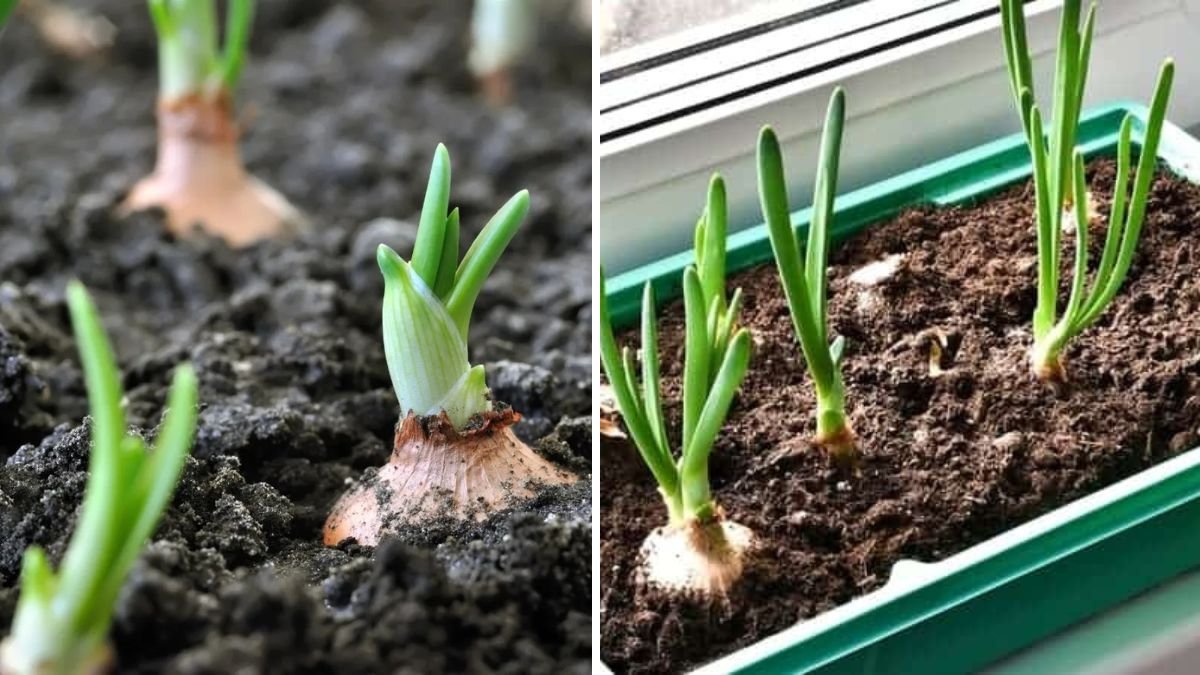
Onions are one of the most essential vegetables in every kitchen, used daily in curries, salads, soups, and countless dishes. Imagine harvesting your own fresh, chemical-free, organic onions right from your backyard or terrace garden. Organic onion cultivation is not only easy but also highly rewarding, especially for home gardeners looking to grow healthy vegetables without harmful chemicals.
In this complete guide, you will learn how to grow onions organically, from seed selection and soil preparation to fertilizing, watering, and harvesting. Whether you are growing onions in open soil, pots, or raised beds, this guide will help you achieve a successful and abundant harvest.
🌿 Why Grow Onions Organically?
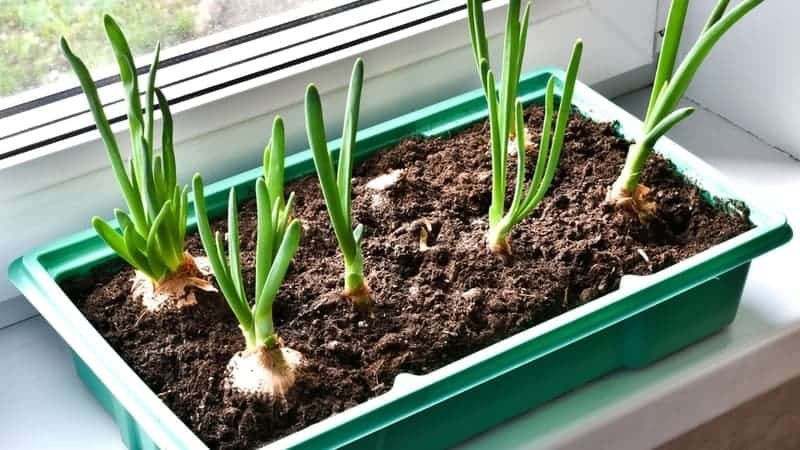
Organic onions are healthier, tastier, and more nutritious than store-bought ones. Here’s why organic cultivation is beneficial:
1. Chemical-Free Food
Organic onions are free from pesticides and harmful fertilizers, making them safe and nutritious.
2. Low Maintenance
Onions grow easily with minimal care and thrive in various climates.
3. High Yield
With proper organic practices, you can enjoy multiple kilograms of onions even in a small space.
4. Cost-Effective
Growing your own onions reduces grocery expenses while providing fresh produce at your fingertips.
5. Sustainable Gardening
Organic farming supports soil health, biodiversity, and eco-friendly living.
🌱 Types of Onions You Can Grow
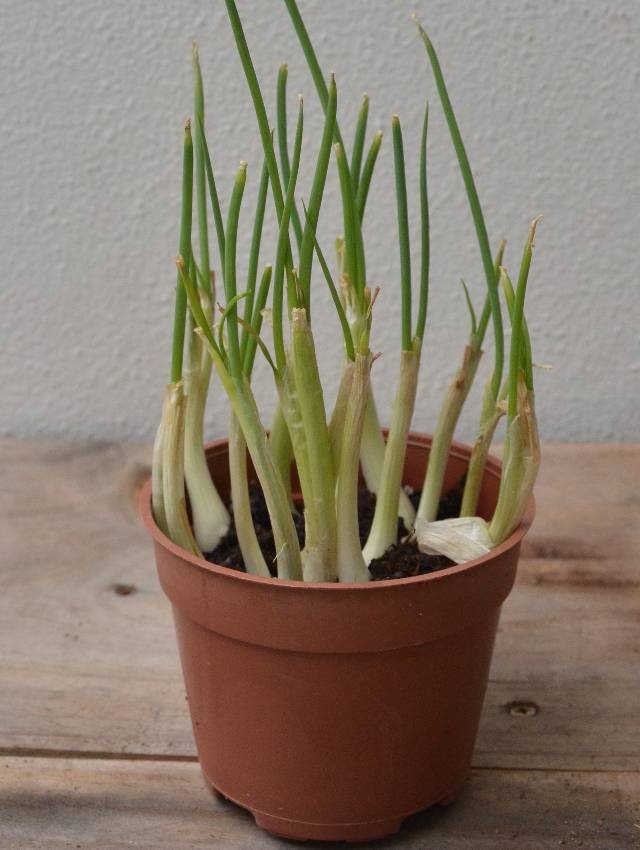
Different varieties suit different climates and uses. You may choose:
- Red onions – pungent flavor, great for curries
- White onions – mild taste, perfect for salads
- Yellow onions – balanced flavor, excellent for cooking
- Spring onions – fast-growing, ideal for containers
- Shallots – small bulbs with sweet flavor
Choose seeds or bulbs based on your preference and climate conditions.
🌿 Best Season for Organic Onion Cultivation
The ideal time to plant onions depends on your region:
- Rabi Season: October to January
- Kharif Season: June to July
Onions prefer cool weather during early growth and warm weather during bulb formation.
🪴 Soil Preparation for Organic Onions
Healthy soil means healthy onions. Prepare the growing medium as follows:
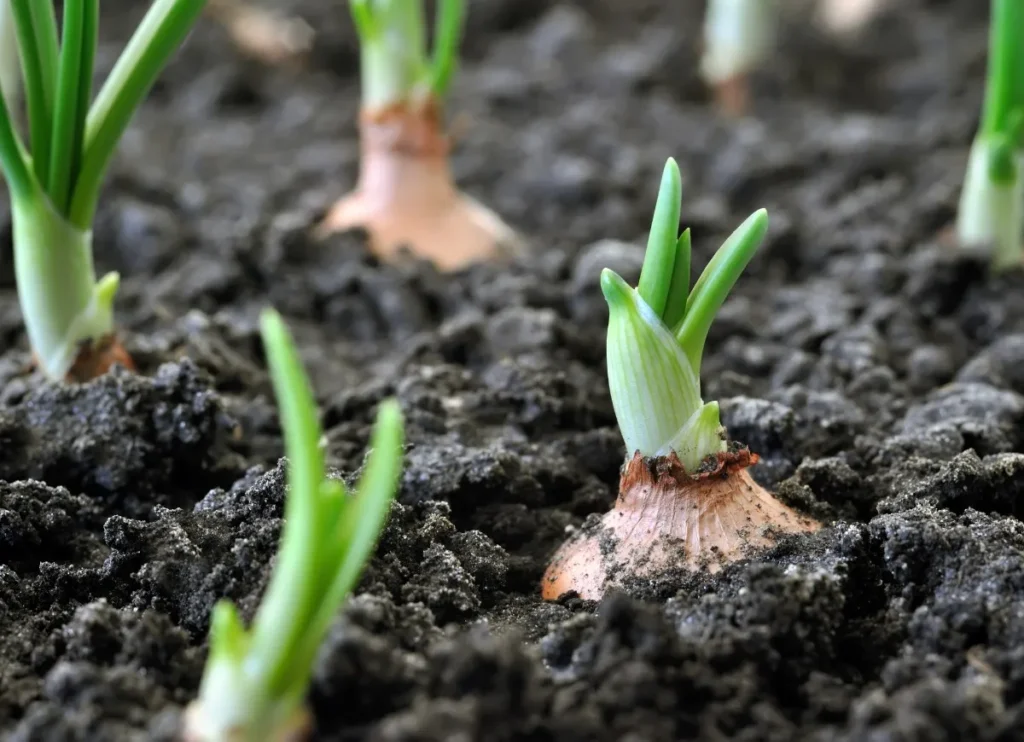
1. Soil Type
Onions love well-draining, loose, fertile soil rich in organic matter.
2. Ideal Soil Mix for Pots
Use this mixture:
- 40% garden soil
- 40% organic compost
- 20% river sand
3. pH Level
Keep soil slightly acidic to neutral (pH 6.0–7.0).
4. Adding Organic Fertilizers
Before planting, mix in:
- Vermicompost
- Cow dung compost
- Bone meal (for bulb formation)
- Neem cake powder (pest protection)
This ensures strong root development and nutrient-rich bulbs.
🌱 How to Plant Onions at Home
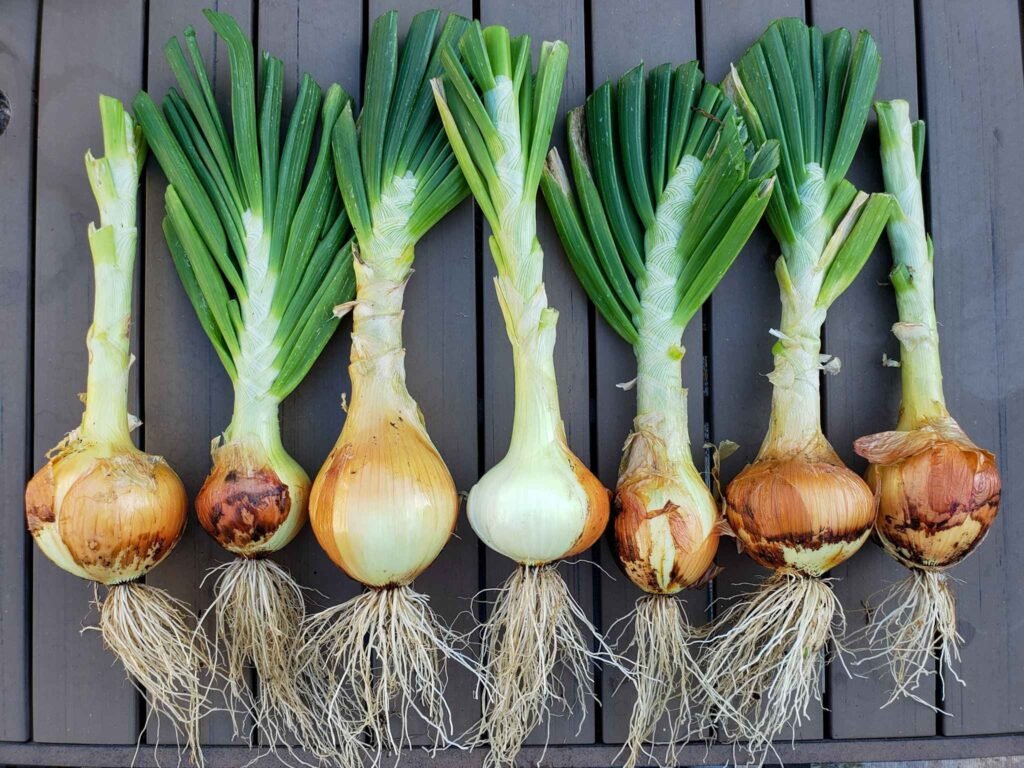
You can grow onions either from seeds, seedlings, or small bulbs (sets).
✔️ 1. Growing Onions from Seeds
- Soak seeds in water for 4–6 hours to improve germination.
- Sow seeds 1 cm deep in seed trays or directly in the soil.
- Keep soil moist until germination (7–10 days).
- Once seedlings reach 10–12 cm height, transplant them into the main bed.
✔️ 2. Growing Onions from Bulbs (Easiest Method)
- Choose small, firm bulbs of the same size.
- Push bulbs halfway into soil with the pointed end upwards.
- Maintain a spacing of 10–15 cm between each bulb.
This method yields faster results and healthier bulbs.
✔️ 3. Growing Onions in Pots
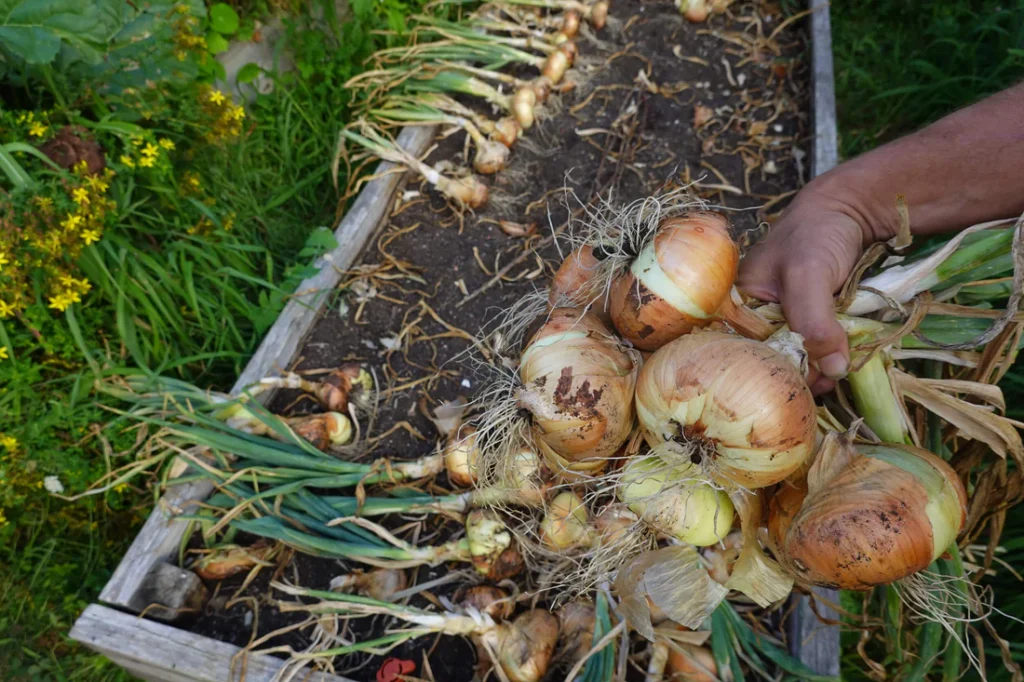
- Use a 12–18 inch wide pot with drainage holes.
- Fill with organic soil mix.
- Plant bulbs in rows 10 cm apart.
- Keep pot under full sunlight.
🌞 Sunlight Requirements
Onions need:
- 6–7 hours of direct sunlight every day
- Warm climate during bulb formation
Ensure your pots or beds are placed where they get maximum sunlight.
💧 Watering Onions the Right Way
Watering is crucial for bulb development.
Follow these tips:
- Water lightly but regularly.
- Keep soil moist, not soggy.
- Reduce watering when bulbs start to swell (to avoid rot).
- Stop watering 7–10 days before harvest for better storage quality.
🌿 Organic Fertilizers for Healthy Onion Growth
Feed your onion plants every 20–25 days with:
- Vermicompost
- Cow dung compost
- Mustard cake liquid fertilizer
- Banana peel fertilizer
- Wood ash (for potassium)
Avoid synthetic fertilizers—they harm soil health and reduce taste quality.
🐛 Pest and Disease Control (Organic Methods)
Onions are generally hardy but may be affected by pests like:
1. Thrips & Aphids
Symptoms: curled leaves, silver patches
Solution: Spray neem oil (5 ml per liter)
2. Root Rot
Symptoms: drooping, weak bulbs
Solution: Avoid overwatering and improve soil drainage.
3. Fungal Diseases
Use homemade fungicide sprays:
- Baking soda + water
- Buttermilk spray
- Neem oil + soap solution
Always maintain spacing and airflow.
🌼 Bulb Formation Tips
Help your onions grow bigger and healthier:
- Loosen soil around plants gently.
- Remove weeds regularly.
- Do not cover the bulbs completely; let them slightly peep out.
- Feed with bone meal or wood ash for extra potassium.
🧅 When and How to Harvest Onions
Onions are ready to harvest when:
- Leaves turn yellow
- Tops fall over naturally
- Bulbs become firm and visible above soil
Harvesting Steps:
- Gently dig around the bulbs.
- Pull them out by holding the base.
- Dry them under shade (not direct sun) for 5–7 days.
- Store in cool, dry place.
Proper curing increases shelf-life significantly.
🥗 Uses of Fresh Organic Onions
Homemade onions are flavorful and versatile:
- Curries and gravies
- Salads
- Pickles
- Chutneys
- Stuffings
- Fried toppings
Their natural aroma is far better than store-bought onions.
🌿 Benefits of Homegrown Organic Onions
- Rich in antioxidants
- Improve immunity
- Support healthy digestion
- Lower cholesterol
- Regulate blood sugar
- Chemical-free and safe for children
Homegrown onions also taste sweeter and fresher.
🌱 Creative Gardening Ideas with Onion Plants
Make your garden more productive and beautiful:
- Companion Planting
- Grow onions along with carrots, spinach, lettuce, and tomatoes.
- Border Planting
- Plant onions along garden edges to deter pests naturally.
- Raised Bed Gardening
- Ensures faster growth and better drainage.
- Vertical Gardening
- Place onion pots on racks or stands to save space.
- Mixed Kitchen Garden
- Combine onions with herbs like mint, coriander, and basil for a mini organic farm.
Conclusion
Organic onion cultivation at home is simple, affordable, and incredibly rewarding. Whether you grow them in pots, raised beds, or backyard soil, onions require minimal care yet provide abundant harvests. With just sunlight, organic fertilizers, and proper watering, you can enjoy fresh, chemical-free, nutritious onions year-round.
Growing your own onions is not only about saving money—it’s about adopting a healthier lifestyle, supporting eco-friendly gardening, and bringing nature closer to your home.
Start planting today and turn your garden into an organic onion paradise!