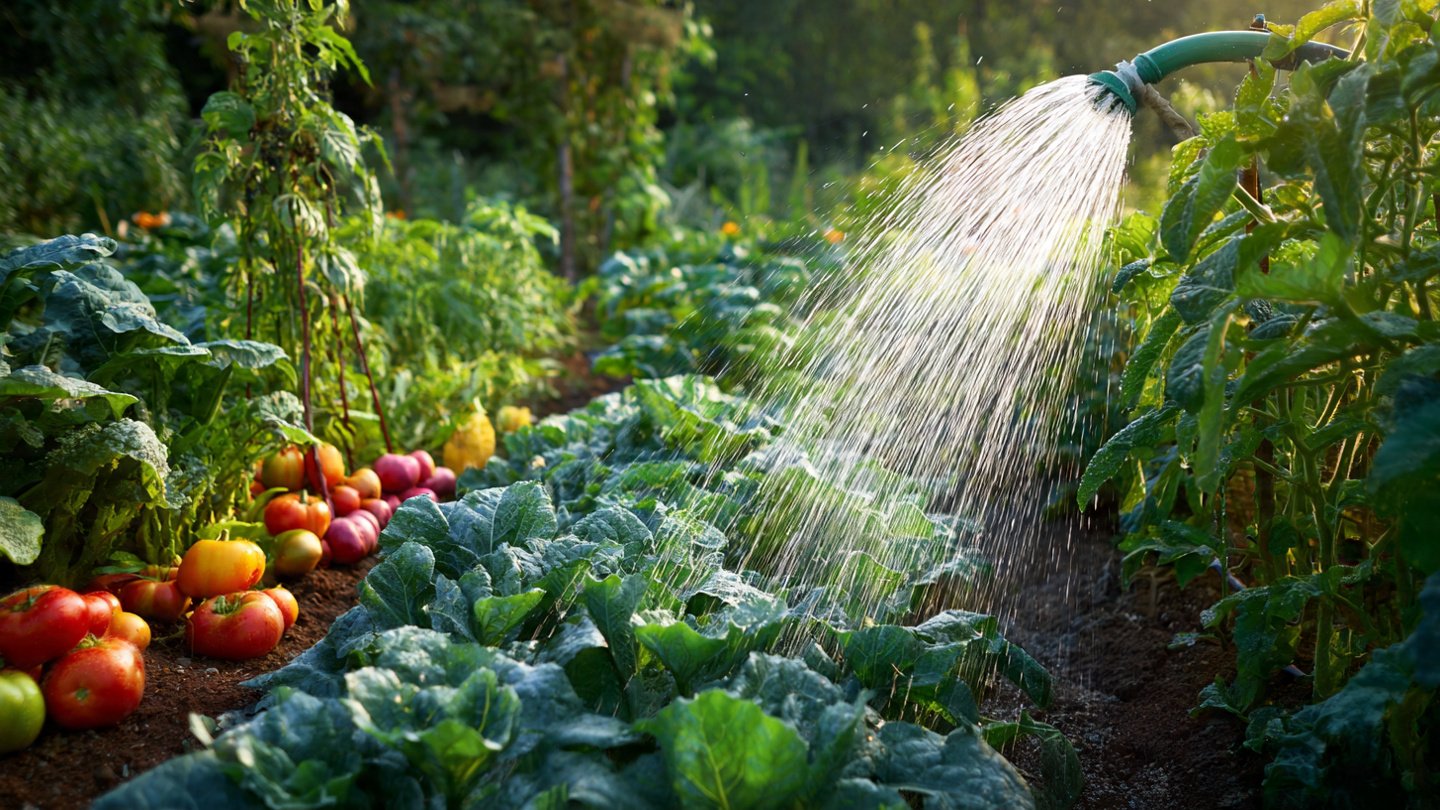
In the world of gardening, flower blooms and vegetable yields are often touted as measures of success. Among the many factors influencing plant growth, watering practices play a pivotal role, particularly in the development of vegetable sweetness. The timing and methodology of watering can significantly influence not only the health and vitality of your plants but also their flavor profiles, particularly sweetness. Understanding these connections can be instrumental for gardeners aiming to achieve the sweetest, juiciest harvests.
The Science of Sweetness
The sweetness of vegetables is primarily determined by their sugar content, which is affected by several environmental factors, including temperature, sunlight, and, crucially, water. This sugar content is a result of photosynthesis—the process whereby plants convert sunlight, water, and carbon dioxide into glucose (a type of sugar). While it may seem straightforward, numerous elements interact within this process.
Photosynthesis: The Foundation of Sweetness
Photosynthesis can be broken down into two main stages: light-dependent reactions and the Calvin cycle, where sugars are synthesized. Water plays a key role in both of these stages:
-
Light-Dependent Reactions: These transpire in the thylakoid membranes of chloroplasts, requiring sunlight, water, and chlorophyll. Here, molecules of water are split to release oxygen and create energy-rich compounds.
-
Calvin Cycle: During this stage, simple sugars are formed using compounds produced in the light-dependent reactions. The availability of nutrients—including carbon, which greatly depends on water availability—affects the efficiency and output of this cycle.
Water’s Role in Sweetness
Water is vital not just as a solvent but also for nutrient transportation and photosynthetic activity. As plants absorb water, they also uptake essential minerals from the soil, which are crucial for growth and development. If vegetables are watered at optimal times, they can maximize their sugar production during daylight hours.
The Timing of Watering
While the necessity of watering is universally acknowledged, the timing can significantly alter a plant’s overall health and sweetness. Factors affecting optimal watering times include weather conditions, temperature, humidity, and the specific needs of the plant being nurtured.
Morning Watering: The Best Practice
Gardening experts frequently advocate for morning watering. This advice is rooted in several physiological and environmental benefits:
-
Cooler Temperatures: Watering in the morning allows plants to absorb water before the heat of the day sets in. This helps minimize evaporation, ensuring that more water reaches the roots.
-
Moisture Retention: Morning watering enhances soil moisture retention throughout the day, optimizing the conditions for photosynthesis. When plants are well-hydrated during daylight hours, they can produce sugar more efficiently.
-
Reduced Disease Risks: Watering early reduces the duration of leaf wetness, which can help deter fungal diseases that thrive in warm, wet conditions.
-
Nutrient Uptake: With the right moisture levels, plants can more effectively absorb nutrients from the soil, further enhancing their growth and sweetness.
Evening Watering: Risks and Considerations
Watering in the evening may seem convenient, particularly in hot summer months, but it is generally discouraged for several reasons:
-
Increased Disease Risk: Evening watering can lead to prolonged leaf wetness, which fosters conditions for fungal infections and other pathogens.
-
Evaporation and Water Loss: While evaporation is lower in the evening than during the day, the lack of sunlight can also inhibit photosynthesis, leading to less sugar production overall.
-
Temperature Fluctuations: Watering too late in the day can affect plant temperature overnight, potentially stressing them during cooler nighttime conditions.
Soil Moisture: Monitoring for Optimal Watering
The effectiveness of watering practices hinges not solely on timing but also on understanding soil moisture levels. Employing techniques to monitor soil moisture can help gardeners determine the most appropriate watering times.
Soil Testing
Conducting soil tests can provide valuable information regarding moisture retention capabilities and nutrient availability. Most vegetables thrive in soil with good drainage but also sufficient water retention. A pH level between 6.0 and 7.0 is often ideal for enhancing nutrient availability.
Techniques to Monitor Moisture Levels
-
Finger Test: Simply stick your finger about two inches into the soil. If it feels dry, it’s time to water.
-
Moisture Meters: These devices can give you accurate readings of moisture levels at different soil depths, allowing for precise watering schedules.
-
Visual Assessment: Observing plant health is also critical. Wilting or yellowing leaves can indicate that the plant is either overwatered or underwatered.
The Role of Mulching
Mulching can play a crucial role in maintaining optimal watering conditions. A layer of mulch helps:
-
Conserve Moisture: By reducing evaporation from the soil, mulching ensures more water is available for the plants.
-
Regulate Soil Temperature: A mulch layer can keep soil temperatures more stable, promoting better nutrient uptake and sweeter vegetable production.
-
Suppress Weed Growth: Fewer weeds mean less competition for water and nutrients, allowing vegetables to thrive.
The Types of Watering Techniques
Different watering techniques can influence the effectiveness of moisture absorption and, ultimately, sweetness.
Drip Irrigation
Drip irrigation systems deliver water directly to the roots of the plants, minimizing waste and ensuring that plants receive adequate moisture without waterlogging. This technique provides consistent moisture levels, conducive to producing sweeter vegetables.
Soaker Hoses
Soaker hoses allow for slow, gentle watering over a prolonged period, preventing rapid evaporation. This consistent moisture encourages steady growth and enhanced sweetness.
Traditional Sprinkling
While traditional sprinklers are a common watering method, they can lead to water waste and less targeted watering. However, they are effective if used early in the morning to minimize evaporation.
Seasonal Considerations
Optimal watering practices can also vary by season. In hotter months, more frequent watering may be necessary, while cooler months might require less. Gardeners should adjust their watering schedules based on changing weather conditions and plant growth stages.
Summer Strategies
During hot summer months, when evaporation rates peak, consider:
- Increasing morning watering frequency.
- Monitoring for signs of wilting or stress in plants.
- Adjusting watering based on actual rainfall.
Winter: A Different Challenge
In winter, overwatering can be a more significant concern. Here, it’s crucial to:
- Water less frequently.
- Ensure proper drainage to prevent root rot.
Conclusion
The relationship between optimal watering time and sweetness in garden vegetables is intricate, influenced by a multitude of factors. By understanding the science behind photosynthesis and the practical aspects of watering timing, gardeners can significantly enhance the quality of their produce. Early morning watering, combined with effective techniques for monitoring soil moisture, can lead to sweeter, more nutritious vegetables that truly shine in flavor. The role of mulching, irrigation methods, and seasonal adjustments further underpins the impact of proper watering practices. Embracing these principles will not only yield bountiful harvests but also cultivate a deeper understanding of the art and science of gardening. Happy gardening!