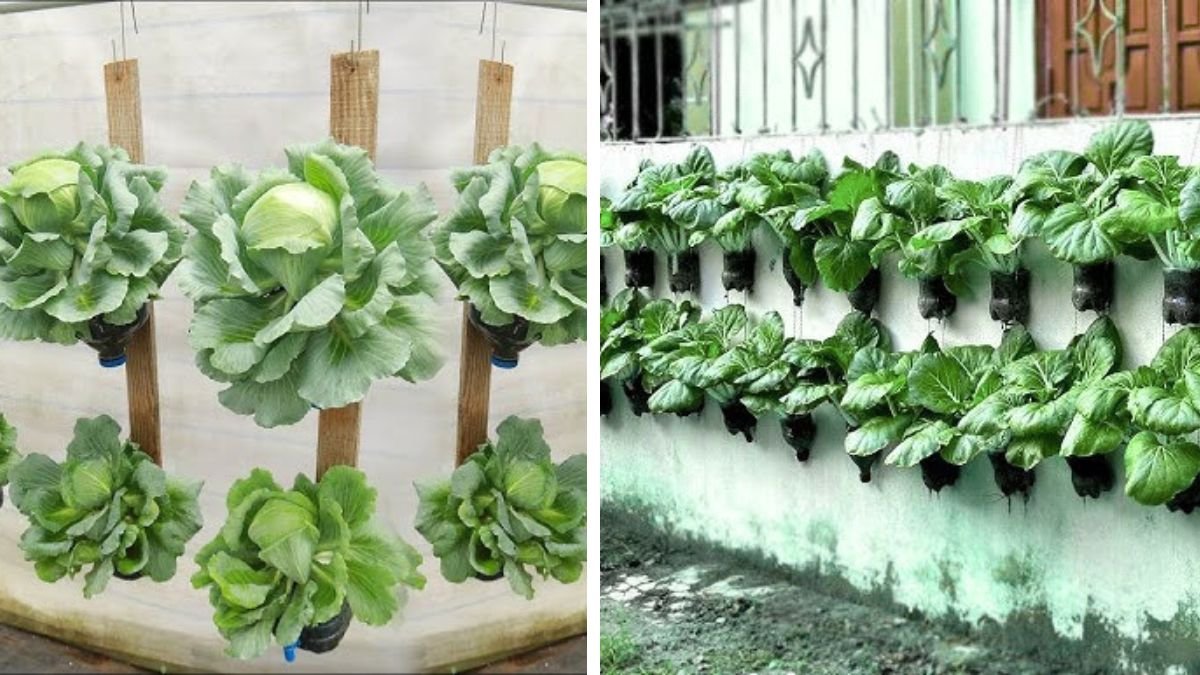
Introduction to Vertical Gardening
Vertical gardening is transforming urban food production. It allows people to grow vegetables without soil or large spaces. Walls, balconies, and windows become gardens. This method uses height instead of land. It is perfect for city homes. Vertical gardening saves water and effort. Anyone can grow food at home. It supports sustainable living.
Why Vertical Gardening Is the Future
Urban spaces are shrinking. Vertical gardening maximizes productivity. It uses unused vertical areas. It improves air circulation. Sunlight distribution becomes efficient. Maintenance is easier. This method increases yield per square foot.
Soil-Free Vertical Growing Explained
Soil-free vertical gardening uses water and nutrients. Roots absorb nutrients directly. Growth is faster and cleaner. No soil-borne diseases occur. Plants grow uniformly. This method is beginner-friendly.
Best Containers for Vertical Gardening
Plastic bottles work perfectly. Buckets and boxes are useful. Fabric grow bags also work. Containers should be lightweight. Proper drainage is essential. Recycling containers saves money.
Choosing the Right Vegetables
Leafy greens grow best. Lettuce thrives vertically. Spinach grows fast. Herbs like mint perform well. Avoid heavy vegetables initially. Choose compact varieties.
Preparing Vertical Structures
Use racks or hanging frames. Secure containers properly. Ensure stability. Vertical alignment saves space. Strong support ensures safety.
Planting Without Soil

Seeds are placed in cocopeat or sponge. Roots grow toward nutrient solution. Leaves grow upward. Germination is faster. Growth remains clean.
Water and Nutrient System
Nutrient water must circulate. Change solution weekly. Avoid overfeeding. Balanced nutrients ensure healthy leaves. Clean water is essential.
Sunlight Management
Place vertical setups near sunlight. Rotate if needed. Avoid complete shade. Light improves photosynthesis. Balanced light prevents stress.
Airflow Importance
Vertical gardens improve airflow naturally. Good airflow prevents fungus. Leaves remain dry. Healthy plants grow faster.
Pest Control Benefits
Soil-free systems reduce pests. Vertical placement avoids crawling insects. Clean setup discourages pests.
Pruning and Maintenance
Remove old leaves regularly. This improves airflow. Pruning boosts growth. Maintenance is simple and quick.
Harvesting Techniques
Harvest outer leaves first. Continuous harvesting promotes growth. Fresh vegetables taste better. Homegrown produce is nutritious.
Productivity Table
| Feature | Traditional Garden | Vertical Garden |
|---|---|---|
| Space use | High | Very low |
| Water use | High | Low |
| Yield | Moderate | High |
| Cleanliness | Messy | Clean |
Ideal for Beginners
Easy to set up. Low maintenance. Fast results. Perfect learning experience.
Environmental Impact
Saves water. Reduces food miles. Encourages recycling. Promotes green living.
Cost Savings
No soil expenses. Recycled materials used. Minimal investment. Long-term savings.
Perfect for Apartments
No ground needed. Balcony friendly. Indoor adaptable. Clean gardening solution.
Scalable Gardening Model
Add more vertical units easily. Increase production gradually. Suitable for families.
Long-Term Benefits
Consistent harvest. Healthy lifestyle. Sustainable food source. Gardening confidence improves.
Final Conclusion
Vertical soil-free vegetable gardening proves that lack of space is no barrier. With simple materials and basic care, anyone can grow fresh vegetables at home. This method is clean, efficient, and future-ready.