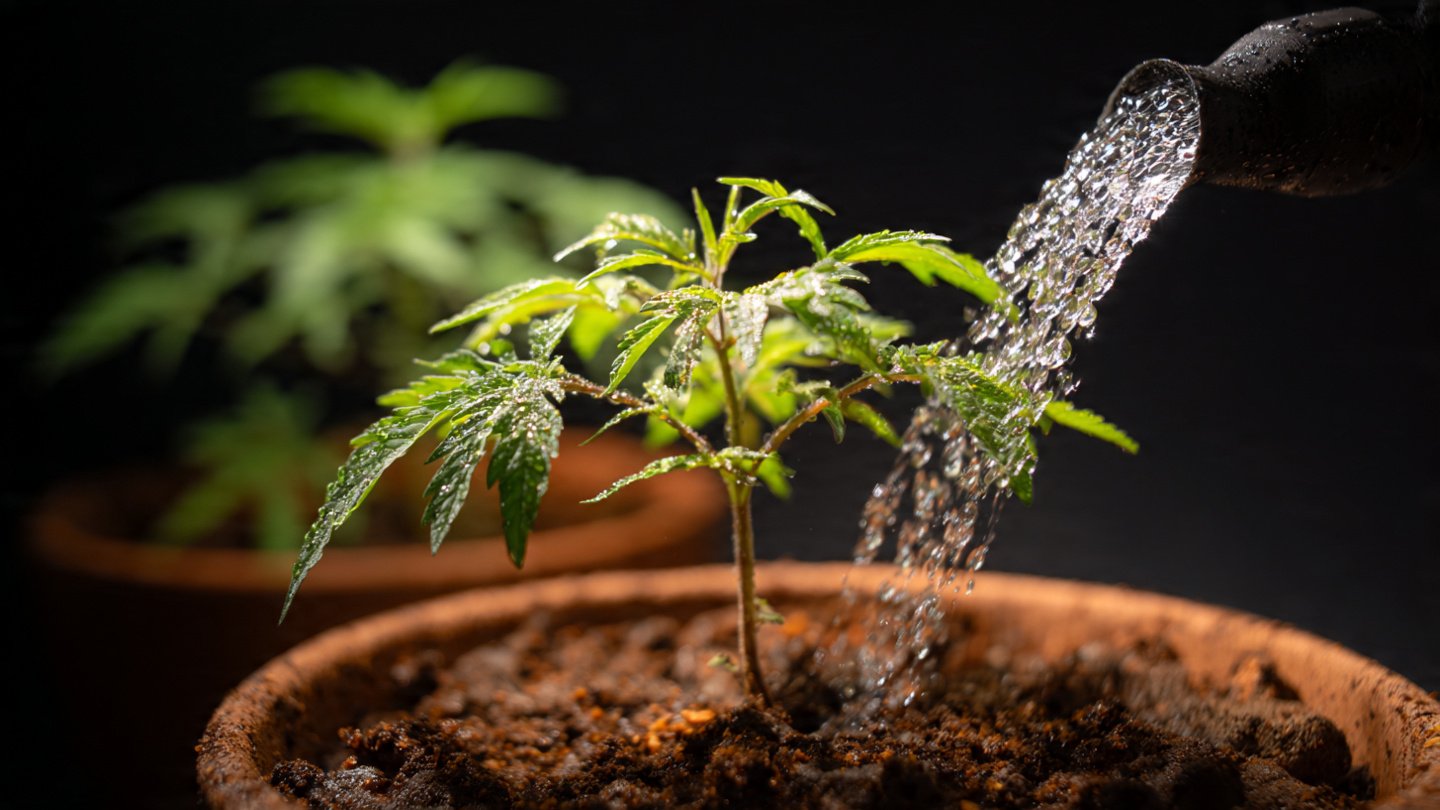
When it comes to caring for plants, the timing and method of watering can significantly impact their health and growth. One practice gaining attention is night watering, which involves applying water to plants during the cooler evening hours rather than during the day. This article delves into the myriad benefits of night watering, particularly focusing on its effects on plant root development and overall growth.
Understanding Plant Water Needs
Plants require water for various physiological processes, including photosynthesis, nutrient transportation, and temperature regulation. The amount of water needed varies depending on factors such as species, soil type, growth stage, and environmental conditions. However, the timing of water application can be just as crucial as the amount.
Day vs. Night Watering: The Basics
In general, daytime watering is common, primarily because many gardeners follow a routine that aligns with their daily schedules. However, watering in the evening offers distinct advantages over this traditional practice.
- Temperature Regulation: Evaporation is a significant concern when watering during the day, especially in hotter climates. Water applied in the evening encounters cooler temperatures, allowing for better absorption into the soil and roots. In contrast, water can quickly evaporate during the day due to higher temperatures and sunlight.
- Reduced Stress: Plants experience stress during peak daytime temperatures. By watering at night, you can help reduce this heat stress, promoting better hydration and nutrient uptake.
- Enhanced Root Development: Night watering helps roots access water and nutrients more readily without competing with evaporation for moisture. This can lead to deeper and healthier root systems.
Benefits of Night Watering
The benefits of night watering extend beyond basic hydration and directly affect plant health, root development, and growth:
1. Improved Water Absorption
When water is applied during cooler nighttime conditions, plants can absorb it more effectively. The reduced temperature not only slows evaporation rates but also minimizes water loss through transpiration—a process where plants lose water vapor.
2. Enhanced Nutrient Uptake
Water plays a crucial role in transporting nutrients from the soil to the plant roots. When soil remains moist for longer periods, roots can access nutrients more efficiently. This is particularly important during the growing season when plants are actively developing.
3. Promoting Stronger Root Systems
Healthy root systems form the foundation for robust plant growth. Night watering encourages longer and deeper root growth, as roots tend to seek water and nutrients. A well-established root system means plants are more resilient to stressors such as drought, disease, and pests.
4. Prevention of Root Rot
Over-watering is a common problem in gardening, especially when water is applied during the day. This can lead to waterlogged soil and root rot. By watering at night, you can create a better balance, allowing soil to drain and dry out adequately while still providing enough moisture for root health.
5. Mitigation of Weeds
Nighttime watering can also help reduce weed growth. Many weeds thrive in moist soil, and daytime watering can inadvertently promote their growth. By watering at night, you minimize the chance of encouraging weeds while ensuring that your plants receive the hydration they need.
6. Reduced Pest Activity
Many garden pests are more active during the day. Nighttime watering can limit their activity, allowing your plants to absorb water without the added risk of pest interference. Moreover, wet leaves can attract pests; watering at night gives leaves less time to stay wet, thereby reducing pest attraction.
7. Conservation of Water
Water conservation is a pressing concern in many regions, making efficient watering practices crucial. Night watering can reduce water consumption by minimizing evaporation losses. This not only benefits plant health but also promotes sustainable gardening practices.
Additional Considerations for Night Watering
While the benefits of night watering are clear, there are several factors to consider to maximize its effectiveness:
1. Soil Type
Different soil types have varying water retention capabilities. Sandy soils drain quickly, which may necessitate a larger amount of water during night watering. Conversely, clay soils hold moisture longer but can become compacted, requiring careful watering strategies to avoid root rot.
2. Plant Species
Different plant species have varied water needs. Drought-resistant plants may not require as much nighttime watering as those that thrive in consistently moist environments. Tailoring your watering schedule to the specific needs of your plants is essential.
3. Weather Conditions
Night watering is particularly beneficial during hot weather. However, consider variations in temperature and humidity. Overly humid conditions can encourage fungal diseases, especially if the foliage remains wet. Aim for a watering schedule that keeps soil moist while allowing for air circulation around plants.
4. Timing
The best time to water at night is usually between 8 PM and midnight. This allows plants to absorb moisture before temperatures drop significantly. Early morning watering can also be beneficial, particularly for minimizing disease risk through dew formation.
Conclusion
Night watering offers a wealth of benefits that can significantly improve plant root development and overall growth. By allowing for deeper absorption, reducing evaporation, and promoting robust root systems, nighttime watering cultivates healthier plants better equipped to withstand stressors.
For gardeners looking to optimize their watering practices, integrating night watering into their routine can lead to flourishing gardens and increased plant vitality. As with any gardening practice, understanding your specific plants’ needs, local climate, and soil conditions will be critical to maximizing the benefits of nighttime irrigation.
In summary, experimenting with nighttime watering may reveal profound positive changes in your garden’s health and growth. As gardening enthusiasts seek sustainable and efficient methods to care for their plants, night watering stands out as a beneficial practice worthy of consideration.