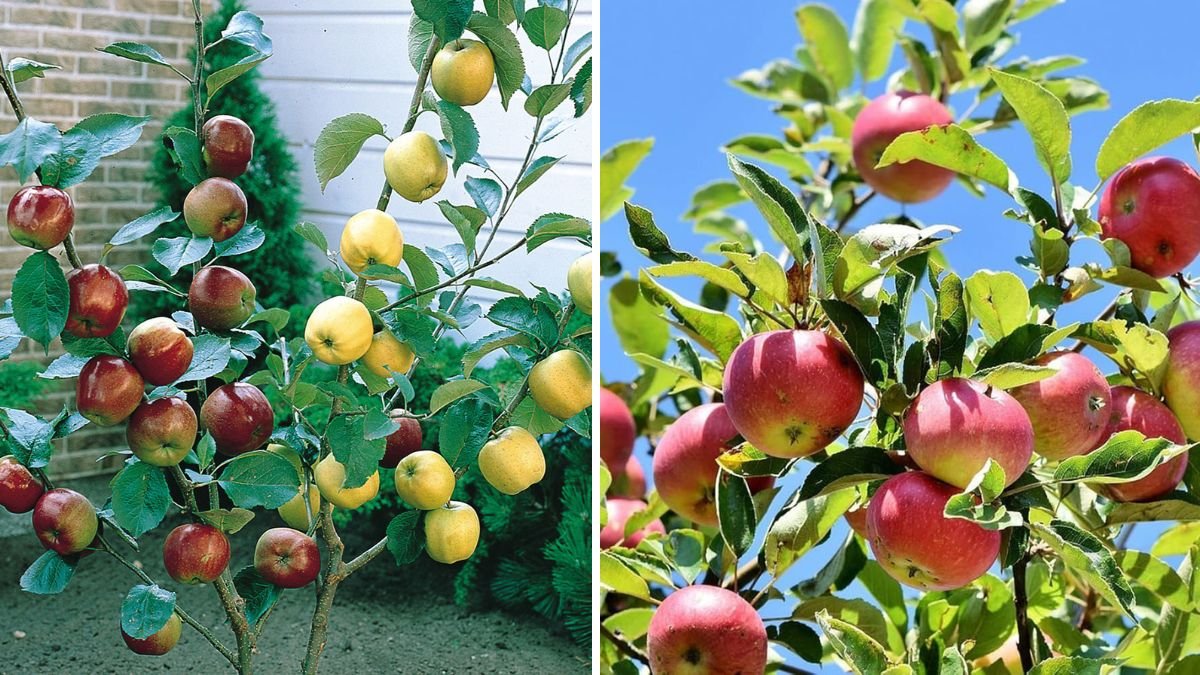
Grafting apple trees is one of the most rewarding and essential skills for any orchardist or home gardener. Whether you want to propagate a favorite apple variety, improve fruit quality, or ensure your trees resist disease, grafting is the key. By joining a scion (desired variety) onto a healthy rootstock, you can create robust apple trees that produce high-quality fruits for decades.
In this detailed 1200-word guide, we’ll explore everything you need to know about apple tree grafting—from selecting rootstocks and scions to techniques, timing, aftercare, and troubleshooting.
🌱 Introduction: Why Graft Apple Trees?
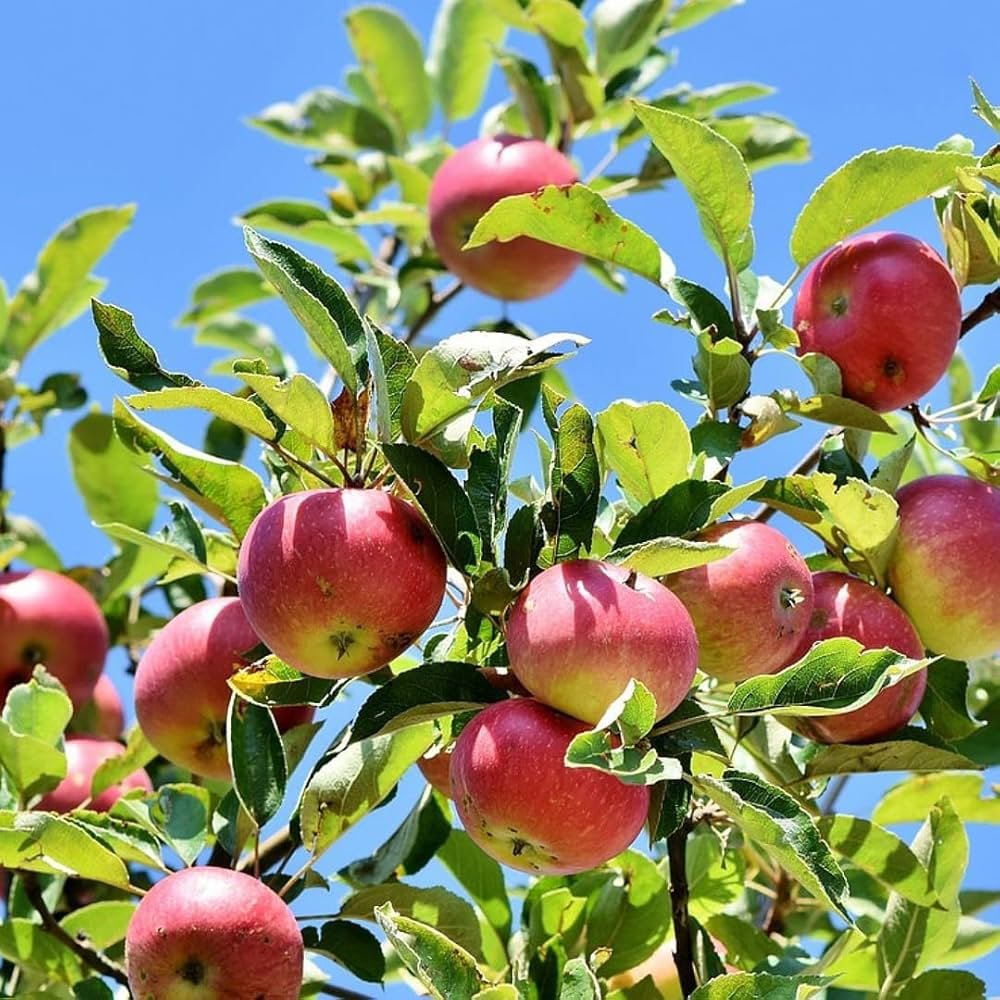
Apple trees can be grown from seeds, but this method rarely produces trees true to the parent variety. Grafting ensures:
✔️ Cloning Desired Varieties
Grafting allows you to propagate apples with excellent taste, texture, and color reliably.
✔️ Faster Fruiting
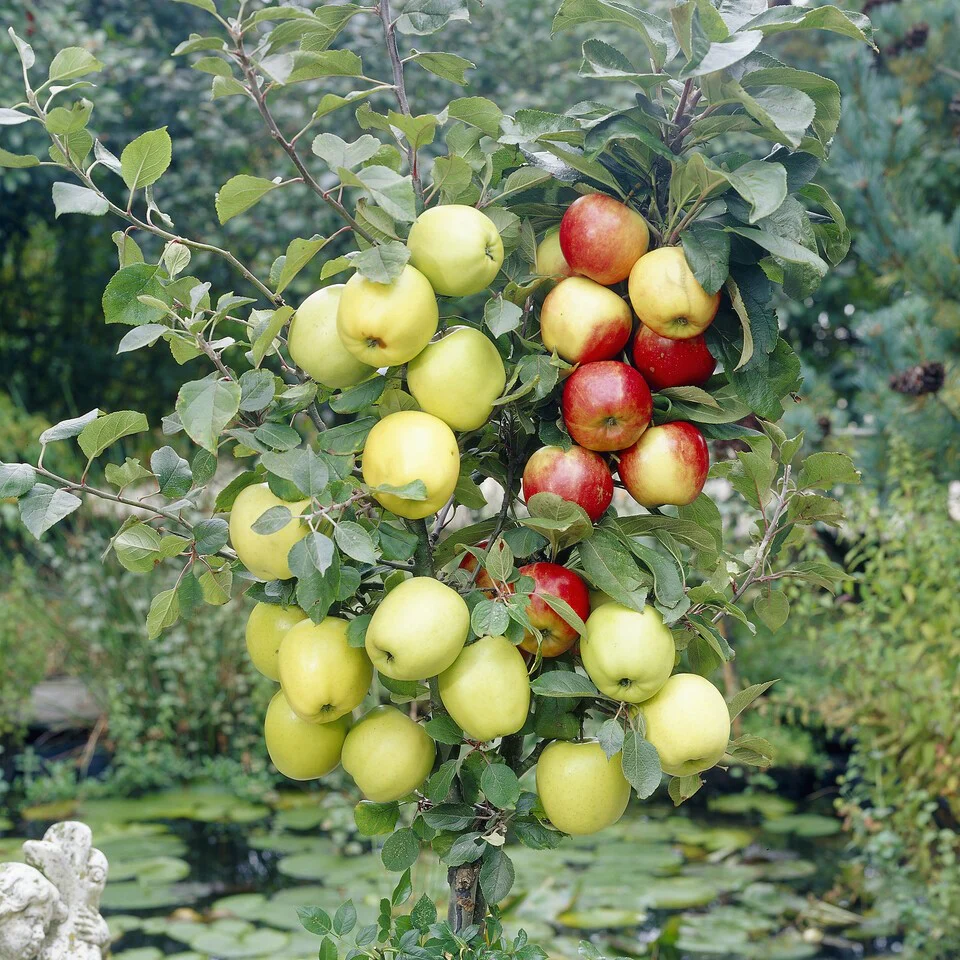
Seed-grown trees may take 7–10 years to bear fruit, whereas grafted trees often produce apples in 2–4 years.
✔️ Improved Disease Resistance
Using a disease-resistant rootstock enhances survival and growth in challenging climates.
✔️ Size Management
Grafting on dwarf or semi-dwarf rootstocks controls tree height, making maintenance and harvesting easier.
🌳 Step 1: Choosing the Right Rootstock
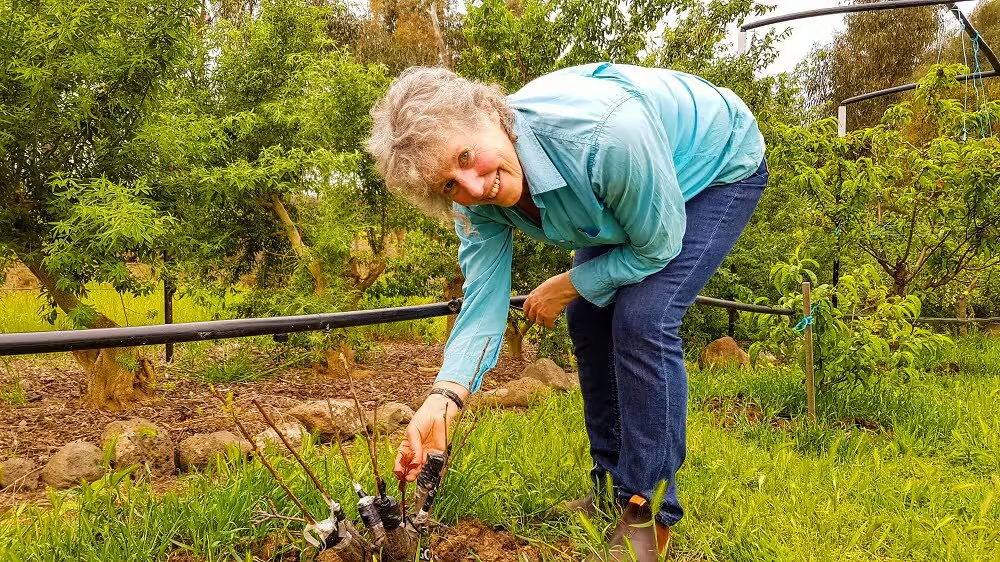
The rootstock forms the foundation of your apple tree, influencing size, vigor, disease resistance, and productivity.
✔️ Common Rootstocks
- MM106 – Semi-dwarf; good for moderate soils.
- M26 – Dwarf; suitable for high-density planting.
- MM111 – Vigorous; disease-resistant and cold-hardy.
- Seedling Rootstocks – Traditional, hardy but large trees.
✔️ Selecting the Ideal Rootstock
- Healthy, disease-free, and well-branched
- About 1-year-old or pencil-thick for optimal grafting
- Strong root system with no signs of wilting or damage
🍏 Step 2: Selecting the Scion
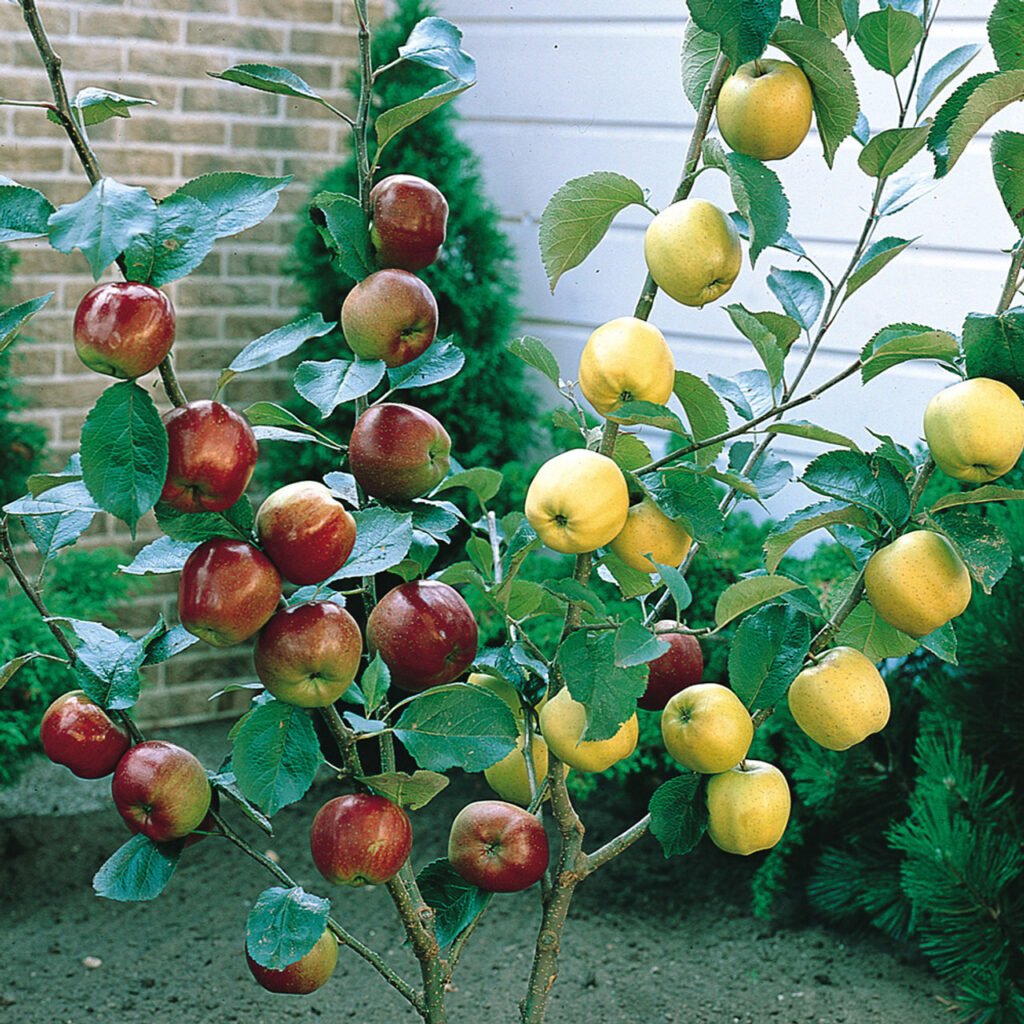
The scion is the top part of the tree that produces apples. Choose scions carefully:
✔️ Criteria for Scion Selection
- Taken from healthy, disease-free apple trees
- Dormant buds during late winter or early spring
- One-year-old wood with multiple buds
- Free from pests and mechanical damage
✔️ Timing
- Best collected during dormant season (December–February)
- Store scions in a moist, cool environment until grafting
🔪 Step 3: Common Apple Grafting Techniques
Apple trees can be grafted using several techniques. The most widely used are:
1️⃣ Cleft Grafting – For Young Trees
- Ideal for joining scions to a rootstock thicker than the scion.
- Provides strong union for vigorous growth.
2️⃣ Whip and Tongue Grafting – For Equal-Thickness Wood
- Perfect for young seedlings or rootstocks of the same diameter as scions.
- Creates a large contact area for better success.
3️⃣ Bark Grafting – For Older, Larger Trees
- Used when rootstock is already mature.
- Graft is inserted under the bark flap.
4️⃣ Side-Veneer Grafting – Popular in Orchards
- Commonly used for dwarfing rootstocks.
- Simple, effective, and high success rate.
🌿 Step 4: Step-by-Step Guide to Cleft Grafting
Cleft grafting is highly effective for apple trees and beginner-friendly.
✔️ Tools Needed:
- Sharp grafting knife
- Mallet
- Grafting tape or parafilm
- Pruning shears
- Rootstock and scion
Procedure
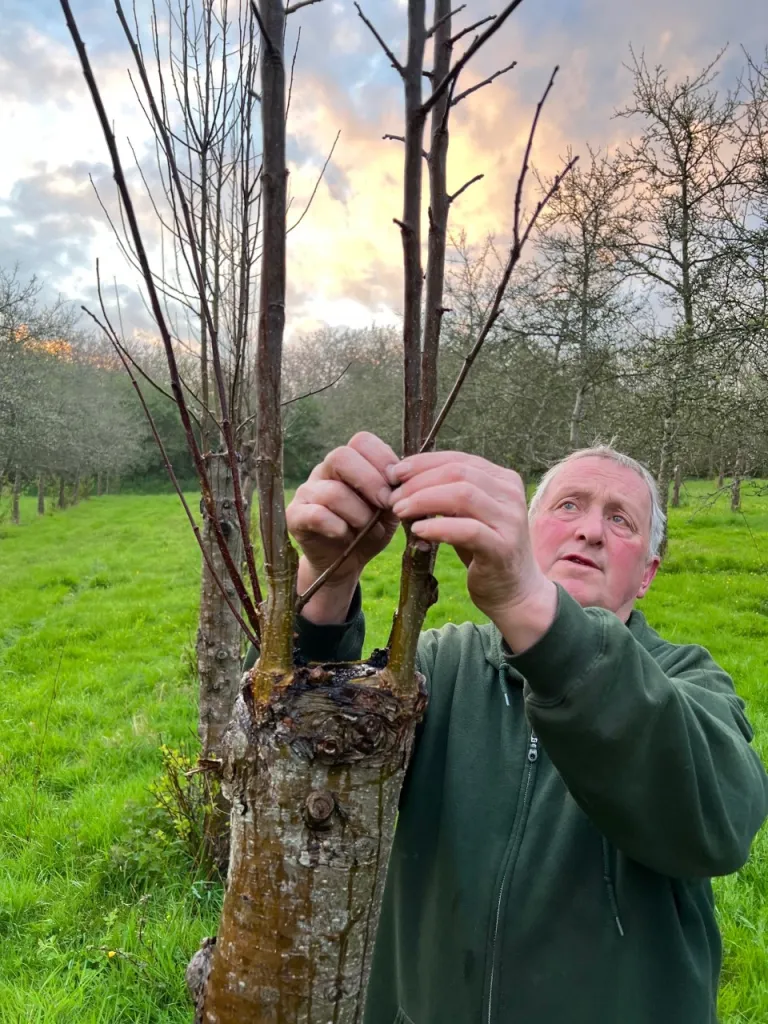
- Prepare Rootstock: Cut the top of the rootstock cleanly, leaving a 2–3 inch stub.
- Split the Rootstock: Make a vertical slit in the center of the cut using a knife or mallet.
- Prepare Scion: Cut the base of the scion into a wedge shape.
- Insert Scion: Slide the wedge carefully into the cleft so cambium layers align.
- Secure the Graft: Wrap tightly with grafting tape to prevent moisture loss and infection.
- Seal: Apply grafting wax or parafilm over the union to prevent desiccation.
🌱 Step 5: Whip and Tongue Grafting Method
This method ensures excellent cambium contact and strong union.
Procedure
- Cut the rootstock and scion at matching angles (~1–2 inches).
- Make a vertical tongue cut in both rootstock and scion.
- Interlock the tongue cuts so they fit snugly.
- Wrap tightly with grafting tape or parafilm.
- Seal edges with grafting wax to prevent moisture loss.
🌞 Step 6: Aftercare for Grafted Apple Trees
Successful grafting requires attentive care:
✔️ Watering
- Keep soil moist but not waterlogged.
- Mulch around the base to retain moisture.
✔️ Sunlight
- Partial shade for first 2 weeks, then gradually expose to full sunlight.
✔️ Pruning
- Remove rootstock shoots emerging below the graft.
- Shape tree gradually to ensure good airflow and sunlight exposure.
✔️ Fertilization
- Use balanced NPK fertilizer once growth resumes.
- Avoid excessive nitrogen in the first few weeks to prevent weak growth.
🍎 Step 7: Timing Your Grafts
Timing significantly affects graft success:
✔️ Ideal Season
- Early spring when buds begin to swell.
- Soil temperature: 12–20°C.
✔️ Avoid
- Extreme cold (risk of frost)
- High summer heat (risk of scion desiccation)
🛠️ Step 8: Common Problems and Solutions
❌ Graft Fails to Take
- Cause: Poor cambium contact or dry union
- Solution: Re-graft with proper alignment and sealing
❌ Scion Wilts
- Cause: Insufficient moisture or heat stress
- Solution: Maintain humidity and shade
❌ Rootstock Shoots Overtake Scion
- Cause: Vigorous rootstock growth
- Solution: Prune rootstock shoots regularly
❌ Pests or Fungal Infection
- Cause: Exposure or weak union
- Solution: Apply fungicide or neem oil; ensure clean tools
🌳 Step 9: Training and Maintenance
- Stake young grafted trees to prevent wind damage.
- Train branches to encourage open, spreading canopy for fruiting.
- Remove water sprouts to direct energy to fruit-bearing branches.
- Regularly check for signs of disease or pest infestation.
🌟 Conclusion: Grow Your Own Fruitful Apple Trees
Apple tree grafting combines science, skill, and patience. By selecting disease-resistant rootstocks, healthy scions, and applying proven techniques like cleft or whip and tongue grafting, you can grow robust, productive apple trees in your garden or orchard.
Grafted apple trees fruit faster, live longer, and allow you to clone your favorite varieties, giving you consistent harvests of delicious apples year after year. Whether you’re a home gardener or aspiring orchardist, mastering apple tree grafting is a game-changer for long-term success. 🍏🌳
Start grafting today, and enjoy the satisfaction of nurturing apple trees that bear beautiful, juicy fruits for decades!