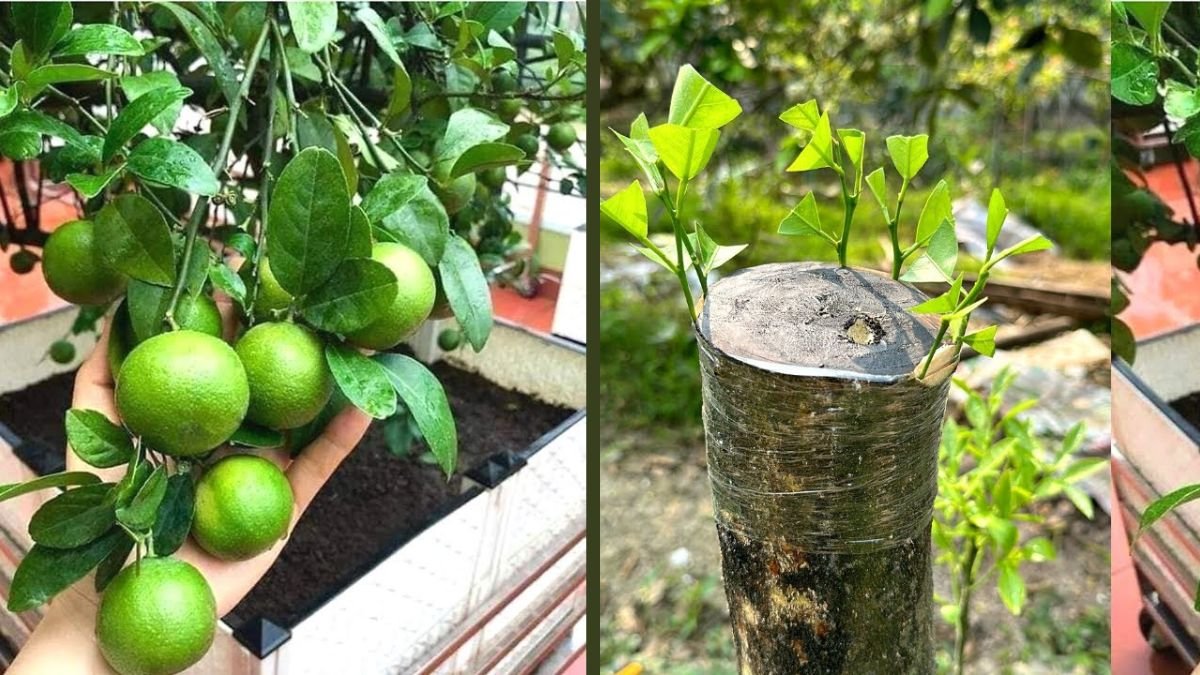
Paragraph 1: Introduction to Lemon Grafting
Lemon grafting is a popular horticultural technique used to produce high-quality fruiting trees in less time. Grafting combines a strong rootstock with a superior fruiting variety. This method ensures early fruiting and better disease resistance. Lemon trees grown from seed take many years to bear fruit. Grafting significantly reduces this waiting period. Farmers and home gardeners widely use this technique. Lemon grafting improves yield and fruit quality. Understanding grafting basics ensures success.
Paragraph 2: Why Grafting is Preferred for Lemon Trees
Seed-grown lemon plants show unpredictable fruit quality. Grafting ensures uniform fruit characteristics. It also improves tolerance to soil and climate conditions. Grafted trees are more vigorous and productive. Disease resistance is enhanced through strong rootstock. This method saves space and time. Lemon grafting is ideal for commercial and home gardening. Consistency is the biggest advantage.
Paragraph 3: Best Season for Lemon Grafting
The best time for lemon grafting is during active growth periods. Spring and early monsoon seasons are ideal. Warm temperatures promote healing of graft union. Avoid winter and extreme summer heat. High humidity improves graft success. Timing influences survival rates greatly. Seasonal planning is essential. Proper timing ensures fast union formation.
Paragraph 4: Selection of Rootstock
Rootstock selection determines tree strength and adaptability. Choose disease-free, healthy citrus plants. Rootstock should be one to two years old. It must have a strong root system. Common rootstocks include rough lemon and trifoliate orange. Rootstock influences drought and disease tolerance. Good rootstock supports long-term productivity.
Paragraph 5: Selection of Scion Wood
Scion wood should be taken from a healthy, high-yielding lemon variety. It should be mature but not woody. Scion must have healthy buds. Avoid diseased or weak branches. Scion selection ensures fruit quality. Cut scion early in the morning. Proper scion selection guarantees success.
Paragraph 6: Tools Required for Lemon Grafting
Essential tools include grafting knife, pruning scissors, grafting tape, and disinfectant. Tools must be sharp and clean. Clean tools prevent infection. Grafting tape secures the union. Plastic strips can also be used. Prepared tools improve efficiency. Organization ensures smooth grafting.
Paragraph 7: Types of Lemon Grafting Techniques
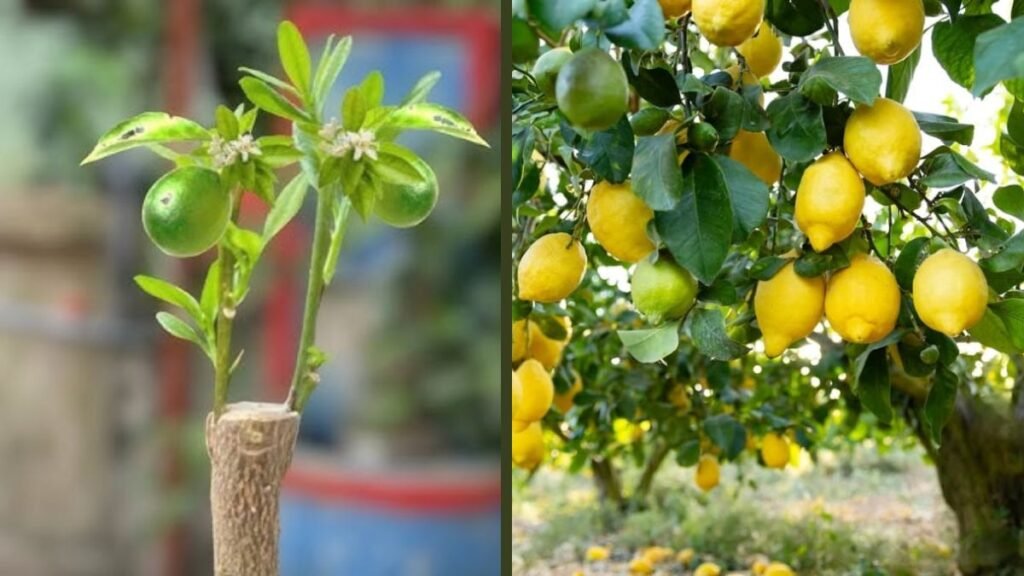
Common lemon grafting methods include wedge grafting, cleft grafting, and budding. Wedge grafting is easiest for beginners. Budding is commonly used in nurseries. Each method has advantages. Choice depends on plant age and thickness. Understanding methods helps choose the right technique. Simplicity ensures higher success.
Paragraph 8: Step-by-Step Wedge Grafting Process
Cut the rootstock at desired height. Make a vertical slit in the stem. Shape the scion into a wedge. Insert the scion into the slit carefully. Align cambium layers properly. Secure tightly with grafting tape. Proper alignment ensures nutrient flow. This step determines graft success.
Paragraph 9: Sealing and Protection of Graft
After grafting, seal the joint completely. Use grafting tape or plastic. Prevent moisture loss and infection. Cover with transparent plastic for humidity. Keep the graft shaded. Protection supports healing. Avoid disturbing the graft. Stability is essential.
Paragraph 10: Post-Grafting Care
Water the plant lightly. Avoid excess watering. Keep plant in partial shade. Remove shoots below graft union. Monitor regularly for growth. Do not fertilize immediately. Care during this stage ensures survival. Gentle handling is important.
Paragraph 11: Graft Union Healing Time
Union healing takes two to four weeks. Bud swelling indicates success. New leaves appear gradually. Remove wrapping after healing. Avoid early removal. Healing speed depends on temperature. Successful union supports strong growth.
Paragraph 12: Training and Pruning Grafted Lemon Trees
Pruning shapes the tree and improves airflow. Remove weak branches. Encourage balanced growth. Training helps form strong structure. Pruning enhances fruiting. Regular care improves yield. Structured growth benefits long-term health.
Paragraph 13: Fertilization After Grafting
Apply light fertilizer after successful union. Use organic compost. Avoid heavy doses initially. Fertilize during active growth. Balanced nutrients support development. Fertilization improves vigor. Proper feeding boosts productivity.
Paragraph 14: Pest and Disease Management
Monitor for citrus pests. Use neem oil spray. Avoid chemical pesticides early. Keep area clean. Disease prevention is crucial. Healthy trees resist infections. Integrated management ensures longevity.
Paragraph 15: Advantages of Lemon Grafting
Grafting ensures early fruiting. It improves fruit quality. Trees become disease resistant. Space is utilized efficiently. Consistency is achieved. Yield increases significantly. Grafting is reliable and effective.
Paragraph 16: Lemon Grafting Table
Table: Key Points of Lemon Grafting Technique
Aspect | Description
Best season | Spring and monsoon
Rootstock age | One to two years
Grafting method | Wedge grafting
Healing time | Two to four weeks
Fruit bearing | Two to three years
Paragraph 17: Common Mistakes to Avoid
Avoid misalignment of cambium. Do not graft during cold weather. Avoid weak scions. Do not overwater. Avoid loose wrapping. Correct mistakes increase success. Awareness improves results.
Paragraph 18: Indoor vs Outdoor Grafting
Outdoor grafting is common. Indoor grafting offers control. Outdoor needs shade. Indoor needs light. Choose based on conditions. Both methods work well. Adaptability is key.
Paragraph 19: Commercial Importance of Lemon Grafting
Commercial lemon farming relies on grafting. Uniform trees improve harvest. Market demand is met easily. Quality improves profitability. Grafting supports large-scale production. Farmers benefit economically.
Paragraph 20: Conclusion
Lemon grafting is a powerful technique for faster and better fruit production. With correct methods, success rates are high. This method benefits gardeners and farmers alike. Proper care ensures long-term productivity. Grafting saves time and ensures quality. Lemon trees thrive when grafted correctly. Start grafting and enjoy abundant harvests.