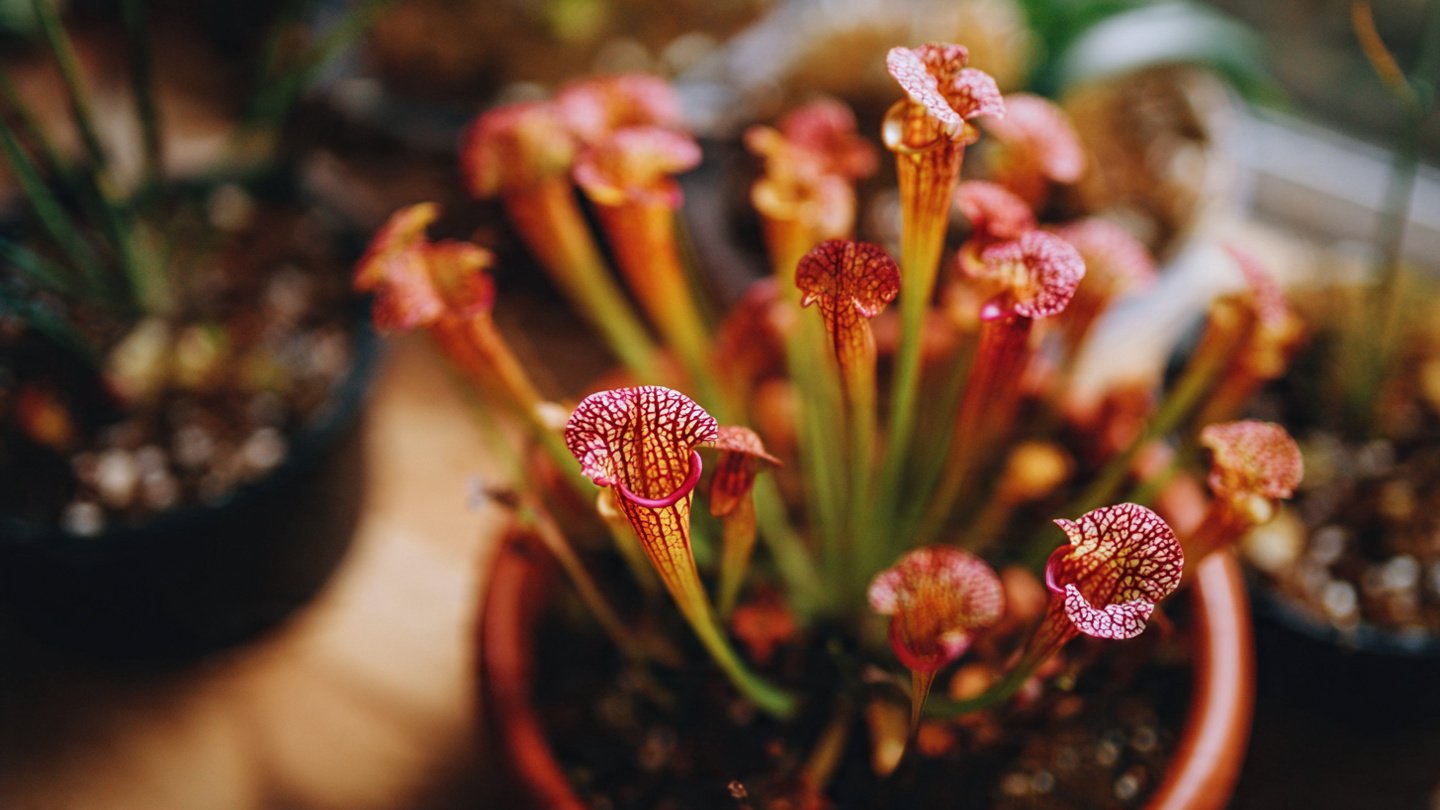
Carnivorous plants have long fascinated nature lovers and gardeners alike. With their unique adaptations to capture and digest prey, these plants often elicit curiosity and wonder. But the question remains: is it possible to grow carnivorous flowers at home? The answer is yes, but it requires careful consideration of their specific needs and growing conditions.
Understanding Carnivorous Plants
Carnivorous plants, also known as insectivorous plants, derive nutrients from trapping and digesting animals, primarily insects. They typically grow in nutrient-poor environments, such as bogs and wetlands, where the soil lacks essential minerals. This adaptation allows them to thrive in habitats where other plants struggle.
Some popular species of carnivorous plants include:
- Venus Flytrap (Dionaea muscipula): Known for its jaw-like traps, which snap shut when prey touches its sensitive hairs.
- Sundew (Drosera spp.): Characterized by sticky glandular hairs that lure and trap insects.
- Pitcher Plant (Sarracenia spp.): Featuring tubular leaves that collect water and prey, making it a unique sight in any garden.
Creating the Ideal Environment
Growing carnivorous plants successfully at home requires replicating their natural environment as closely as possible. Here are some essential factors to consider:
1. Light Requirements
Carnivorous plants generally thrive in bright, direct sunlight. Most species require at least 12 hours of light per day. A south-facing window or specialized grow lights can help meet their needs.
2. Soil Composition
These plants need a well-draining, acidic soil mix. A typical blend consists of sphagnum moss, perlite, and sand. Avoid regular potting soil, as it can retain too many nutrients, which can be harmful to carnivorous plants.
3. Water Quality
Carnivorous plants are sensitive to chemicals in tap water, so it’s best to use distilled, rain, or purified water. Maintaining a consistent moisture level is essential; however, avoid waterlogging the roots.
4. Humidity Levels
High humidity helps mimic the plants’ natural environment. Maintaining humidity levels of 50-70% is ideal. You can achieve this by placing a humidity tray filled with water below the pots or using a humidifier.
5. Temperature Needs
Different species have varying temperature preferences, but generally, they thrive in a range of 70-85°F (21-29°C) during the day and slightly cooler at night.
Feeding Your Carnivorous Plants
Carnivorous plants have adapted to catch their food, but they may still require additional feeding, especially when grown indoors, where insects may be scarce. Here are some tips for feeding:
1. Types of Food
You can feed your plants small insects like fruit flies, ants, or spider mites. Avoid using larger prey that could harm the plant or lead to rot.
2. Frequency of Feeding
Most carnivorous plants can eat every 2-4 weeks during the growing season. During dormancy, which typically occurs in winter for many species, feeding should be minimized or eliminated.
Common Challenges and Solutions
While growing carnivorous flowers at home is feasible, many challenges can arise. Here are some common issues and how to address them:
1. Pest Infestations
Pests like aphids or mealybugs can become problematic. Regularly inspect your plants and use insecticidal soap or neem oil to manage infestations if necessary.
2. Overwatering and Root Rot
Overwatering is a common mistake. Ensure your pots have drainage holes and only water when the topsoil feels slightly dry.
3. Dormancy Periods
Many carnivorous plants require a dormancy period to thrive. Be sure to research the specific needs of your plant species regarding winter dormancy.
Conclusion
Growing carnivorous flowers at home can be a rewarding endeavor, provided you are willing to invest the time and effort into understanding their unique needs. From light and humidity to proper watering techniques, meeting these criteria will significantly enhance your chances of success. With patience, you can create an intriguing and exotic indoor garden that not only attracts insects but also fascinates anyone who lays eyes on it.
FAQs
1. Can I grow carnivorous plants from seeds?
Yes, growing carnivorous plants from seeds is possible, but it requires patience and specific conditions. Seeds may take weeks or even months to germinate.
2. Do carnivorous plants require fertilizers?
Generally, carnivorous plants do not require fertilizers due to their adaptations for nutrient absorption from insect prey. However, if you choose to use fertilizer, opt for a diluted, low-nitrogen formula.
3. How often should I water my carnivorous plants?
It’s best to keep the soil consistently moist but not soggy. Water when the top layer feels dry to the touch, typically every few days, depending on the environmental conditions.
4. What species are best for beginners?
The Venus Flytrap and Sundew are excellent choices for beginners due to their hardiness and adaptability to indoor growing conditions.
5. Can I use tap water on my carnivorous plants?
It is not recommended. Tap water often contains minerals and chemicals that can harm carnivorous plants. Use distilled, rain, or purified water instead.