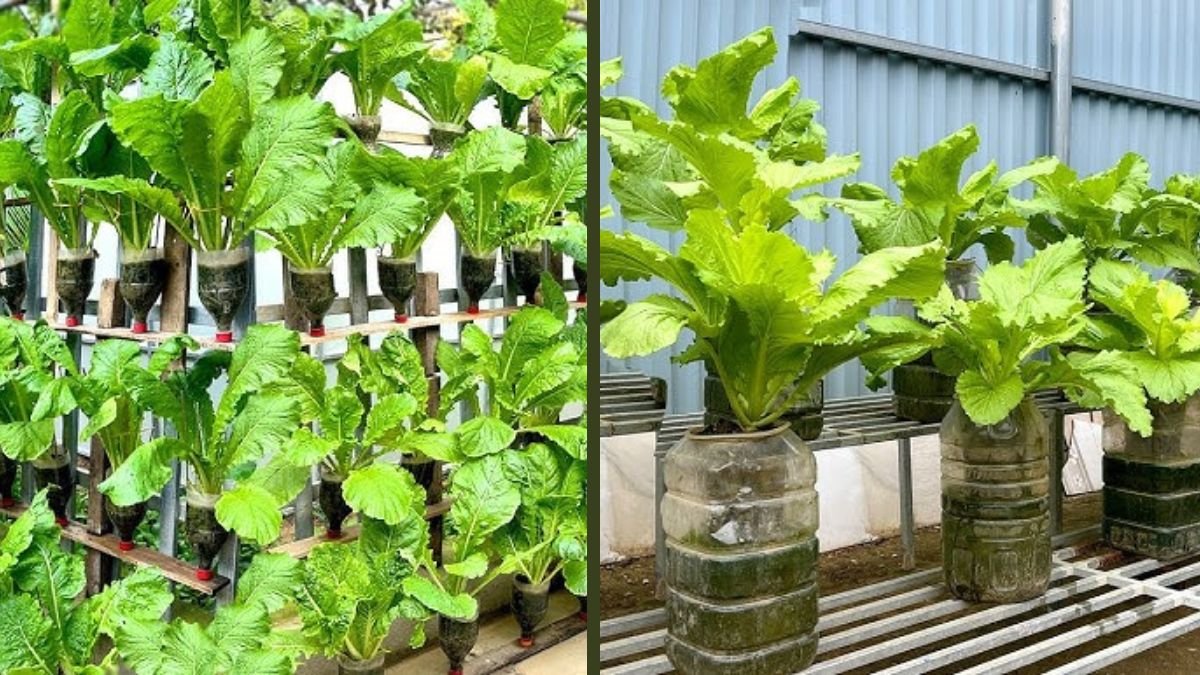
Introduction: Why Plastic Containers Are Perfect For Edible Gardens
Urban gardeners often struggle with limited space, but plastic containers offer an incredible solution. Plastic items that are usually discarded can be reused for growing food. This approach saves money and reduces waste. Plastic containers are lightweight and easy to move. They warm up quickly, promoting faster plant growth. Edible gardens made from plastic fit balconies, terraces, and rooftops. Anyone can create a productive garden using everyday materials. This guide shares creative and practical ideas.
Understanding Space-Saving Garden Design
Space-saving gardening focuses on vertical growth and compact layouts. Plastic containers allow creative stacking and hanging. Plants grow upward instead of spreading outward. Smart placement maximizes sunlight exposure. Small spaces become highly productive. Design planning improves efficiency. Even tiny areas can grow vegetables. Space-saving ideas change how gardening is viewed.
Choosing Safe Plastic For Edible Gardening
Not all plastics are suitable for growing food. Use food-grade plastic containers whenever possible. Avoid containers that previously held chemicals. Thick plastic lasts longer outdoors. Ensure proper drainage holes. Safe plastic prevents harmful chemical leaching. Choosing the right material protects plant and human health. This step is essential for edible gardens.
Vertical Bottle Gardening For Leafy Greens
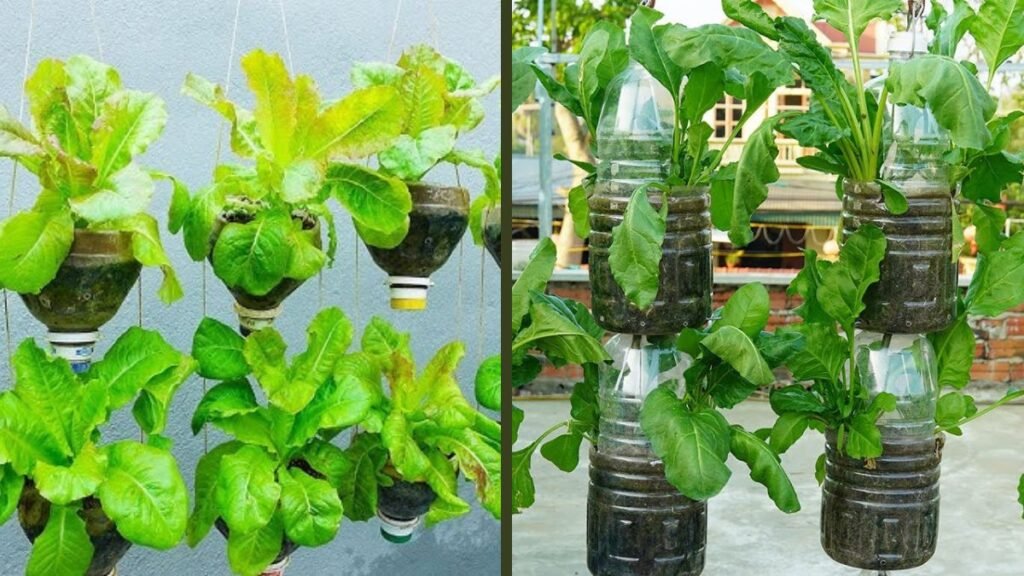
Plastic bottles are perfect for growing leafy vegetables. Bottles can be cut and mounted vertically. This design saves ground space completely. Leafy greens grow well in shallow soil. Vertical bottle gardens receive good airflow. Watering is easy and controlled. Harvesting is convenient. This method is ideal for balconies.
Growing Herbs In Recycled Plastic Containers
Herbs grow well in small plastic containers. Buckets, jars, and tubs work perfectly. Herbs require less soil depth. Containers can be placed near kitchens for easy access. Plastic containers retain moisture well. Herbs grow faster with regular harvesting. This setup is simple and effective. Herb gardens fit any space.
Hanging Plastic Gardens For Maximum Utilization
Hanging gardens use unused vertical air space. Plastic pots or bottles can be suspended. This protects plants from ground pests. Hanging systems improve sunlight exposure. Watering can be done efficiently. Plants grow clean and healthy. Hanging gardens add visual appeal. This method combines beauty and productivity.
Stackable Plastic Containers For Root Crops
Stackable plastic containers allow layered gardening. Root crops grow well with proper depth. Containers can be stacked carefully. This increases yield per square foot. Drainage must be managed properly. Stackable systems are easy to maintain. This idea suits patios and terraces. Space usage is optimized effectively.
Soil Mix For Plastic Container Gardens
Plastic containers need well-draining soil. Mix compost with coco peat and garden soil. Avoid heavy soil that retains excess water. Soil quality affects growth speed. Good drainage prevents root rot. Organic matter improves fertility. Balanced soil supports healthy plants. Proper soil is crucial in containers.
Watering Techniques In Plastic Gardens
Plastic retains moisture longer than clay. Watering must be controlled carefully. Overwatering is a common mistake. Drainage holes are essential. Drip watering works well for multiple containers. Morning watering prevents disease. Consistent moisture improves growth. Water management ensures success.
Table: Popular Plastic Items Used For Edible Gardening
Plastic Item Use
Plastic bottles suitable for leafy greens and herbs
Buckets ideal for tomatoes and root crops
Plastic crates used for shallow vegetables
Plastic drums perfect for potatoes and sweet potatoes
Food containers suitable for microgreens
Sunlight Management In Small Spaces
Plastic gardens can be moved easily to follow sunlight. Place containers where they receive adequate light. Rotate containers weekly if needed. Leafy greens need less sunlight. Fruiting plants require more light. Proper exposure improves yield. Light management is easier with movable containers. Sunlight planning increases success.
Growing Vegetables In Plastic Grow Bags
Plastic grow bags are lightweight and flexible. They allow good drainage and aeration. Grow bags are perfect for root vegetables. They save space and are portable. Soil temperature stays warm. Grow bags are reusable. This method is popular in urban gardening. Grow bags maximize yield efficiently.
Reusing Plastic Safely And Sustainably
Reusing plastic reduces environmental waste. Clean containers thoroughly before use. Avoid cracked or degraded plastic. Replace containers when damaged. Safe reuse supports sustainability. Gardening with plastic reduces landfill waste. This approach is eco-friendly. Responsible reuse benefits both garden and environment.
Pest Control In Plastic Container Gardens
Containers reduce soil-borne pests naturally. Neem oil spray controls insects. Physical barriers protect plants. Hanging containers avoid crawling pests. Clean surroundings reduce problems. Healthy plants resist pests. Chemical sprays are rarely needed. Natural control works well in containers.
Common Mistakes In Plastic Gardening
Poor drainage causes root rot. Using unsafe plastic harms plants. Overcrowding reduces growth. Ignoring sunlight needs limits yield. Overwatering damages roots. Learning from mistakes improves success. Small adjustments create better results. Awareness leads to improvement.
Best Crops For Space-Saving Plastic Gardens
Leafy greens grow quickly in containers. Herbs thrive in small spaces. Tomatoes grow well in buckets. Chilies and peppers adapt easily. Root crops need deeper containers. Choosing the right crops ensures success. Plant selection matters greatly. Proper choice maximizes productivity.
Maintenance Tips For Long-Term Success
Check drainage holes regularly. Replace soil periodically. Clean containers between seasons. Monitor plant health weekly. Adjust watering as seasons change. Simple maintenance keeps gardens productive. Plastic gardens last multiple seasons. Consistent care ensures reliability.
Why Plastic DIY Gardens Are So Effective
Plastic containers are versatile and affordable. They adapt to any space. Mobility allows better light control. Reuse reduces cost significantly. Productivity per area increases. Beginners achieve success easily. This method democratizes gardening. Anyone can grow food anywhere.
Final Thoughts On Space-Saving Edible Gardens
DIY edible gardens from plastic are practical and powerful. They transform small spaces into productive areas. With creativity, anyone can grow food. This method supports sustainability and health. Gardening becomes accessible to all. Results are rewarding and continuous. Start small and expand gradually.