Introduction to the Money Tree Plant
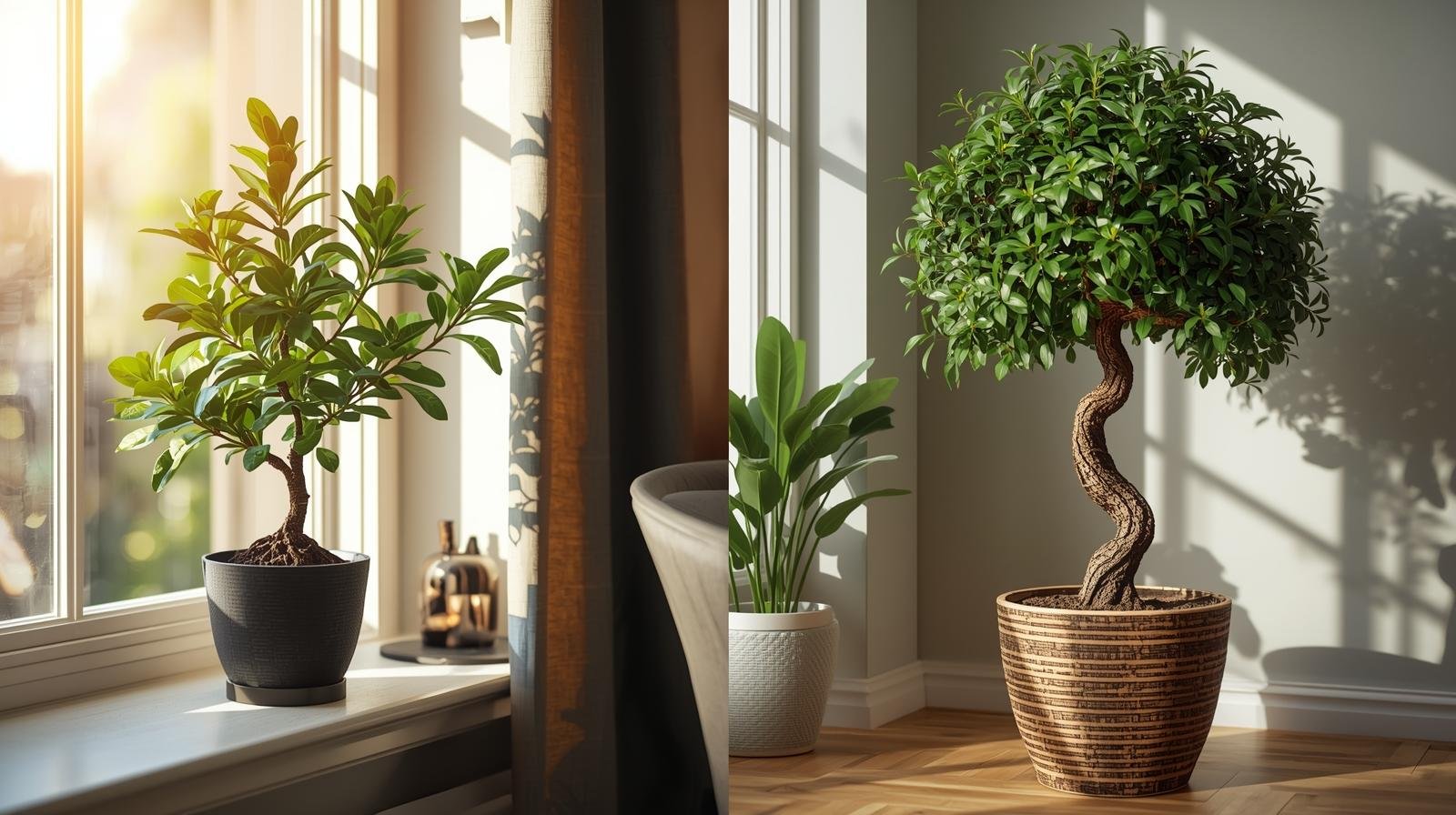
The Money Tree, also known as Pachira aquatica, is widely believed to bring wealth, prosperity, and positive energy into homes and offices. Beyond its symbolic value, it is a hardy, easy-to-grow indoor plant. Its braided trunk and lush green leaves make it a popular decorative choice. Understanding its natural growth patterns and needs ensures that it thrives and remains healthy. Indoor cultivation also allows you to monitor watering, sunlight, and soil conditions. A well-maintained Money Tree combines aesthetic appeal with feng shui benefits. This guide explains step-by-step care techniques to achieve a thriving plant.
The Symbolism and Benefits of a Money Tree
In many cultures, Money Trees symbolize luck, financial growth, and harmony. Placing a Money Tree in your home or workplace is thought to attract prosperity. Beyond superstition, the plant improves indoor air quality. It produces oxygen, reduces toxins, and adds greenery to your environment. A healthy Money Tree contributes to a sense of calm and positivity. Its unique braided trunk serves as a conversation starter. Combining symbolism with proper care enhances both appearance and energy.
Choosing the Right Money Tree for Indoor Growth
Selecting a healthy Money Tree is essential for indoor success. Look for vibrant green leaves without yellowing or brown tips. A well-formed trunk with multiple braids is visually appealing. Avoid plants with signs of pests or disease. Container-grown saplings adapt more easily to indoor conditions. Smaller trees are ideal for apartments and desks. Choosing the right specimen saves time and ensures long-term growth. Healthy plants respond better to light, water, and pruning routines.
Ideal Placement for Maximum Growth
Money Trees prefer bright, indirect sunlight. Avoid placing them under direct sunlight, which can scorch leaves. Near a window with filtered light is optimal. Keep them away from drafts, air conditioners, or heating vents. Indoor temperatures should range between 18°C and 24°C. Rotating the plant ensures even growth on all sides. Correct placement is key to both aesthetic and health benefits. Light, temperature, and humidity all influence leaf development.
Selecting Suitable Containers
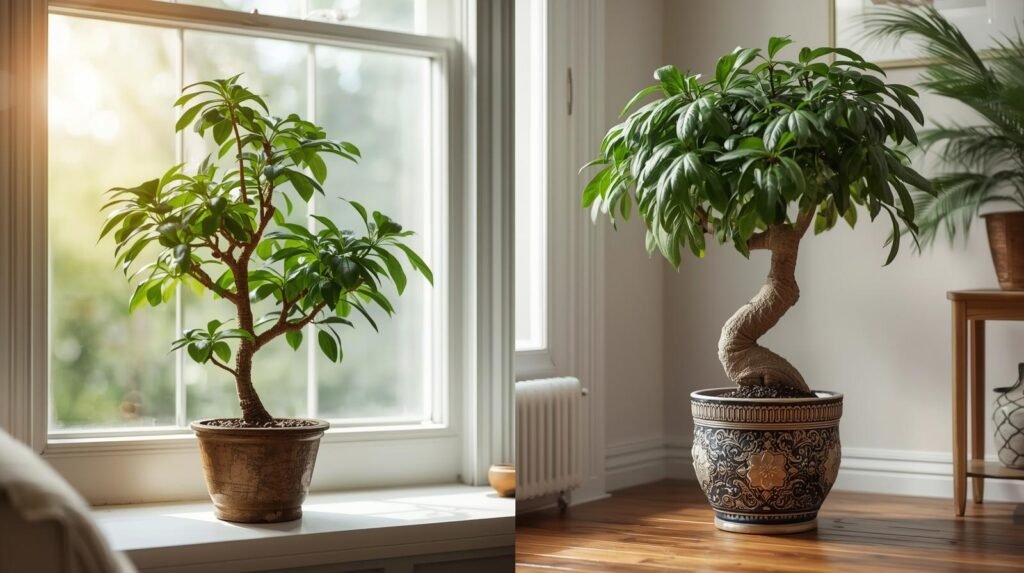
Choosing the right container is crucial for drainage and root health. Pots with drainage holes prevent waterlogging, which is the most common issue with Money Trees. Terracotta, ceramic, or plastic pots are suitable for indoor settings. A slightly larger pot allows room for root expansion but avoids excessive soil that retains water. Decorative pots complement interior design. Ensure the pot is stable to prevent tipping due to a braided trunk. Proper containers make maintenance easier and reduce plant stress.
Soil Requirements for Healthy Growth
Money Trees thrive in well-draining, slightly acidic soil. A mixture of peat moss, perlite, and sand provides ideal conditions. Avoid heavy clay soils that trap water. Nutrient-rich soil encourages lush leaf growth and a strong trunk. Refresh the soil every year or two to prevent nutrient depletion. Well-aerated soil promotes root development. Soil quality directly influences leaf size, color, and overall health.
Watering Techniques for Optimal Health
Watering is the most crucial factor in Money Tree care. The plant prefers moderate watering: allow the top two inches of soil to dry before watering again. Overwatering leads to root rot, while underwatering causes leaf drop. Use room-temperature water to prevent shock. Reduce watering during winter months when growth slows. Ensure excess water drains freely from the container. Proper hydration maintains vibrant leaves and supports braided trunk development.
Maintaining Proper Humidity
Money Trees thrive in moderate humidity, ideally 50–60%. Dry indoor air can cause leaf edges to brown. Increase humidity by misting leaves or placing a water tray nearby. Avoid excessive moisture that encourages fungal growth. Maintaining humidity improves leaf texture and overall vigor. It also prevents common indoor plant issues like leaf curling. Balanced humidity supports robust growth throughout the year.
Fertilizing Your Money Tree
A balanced fertilizer enhances leaf and trunk development. Use a liquid or slow-release fertilizer during the growing season (spring and summer). Reduce or stop fertilization during fall and winter. Avoid over-fertilization, which can burn roots and reduce plant health. Nitrogen-rich formulas encourage leafy growth, while phosphorus promotes root strength. Fertilizing every 4–6 weeks ensures consistent nourishment. Healthy feeding routines support vibrant, lush leaves.
Pruning and Shaping Techniques
Regular pruning maintains the Money Tree’s shape and encourages new growth. Remove yellowing, damaged, or dead leaves. Trim branches to maintain symmetry, especially for braided trunks. Pinching new shoots promotes bushier growth. Pruning also prevents the plant from becoming too tall for indoor spaces. Proper shaping improves aesthetic appeal and air circulation. A well-pruned tree looks healthy and is less prone to disease.
Preventing Common Pests
Money Trees may attract pests like spider mites, mealybugs, and scale. Inspect leaves regularly for signs of infestation. Wipe leaves with a damp cloth or use mild insecticidal soap. Isolate affected plants to prevent spreading. Healthy indoor conditions reduce pest incidence. Maintaining airflow and proper watering prevents many problems. Proactive monitoring ensures a thriving plant.
Repotting Your Money Tree
Repotting is necessary every 2–3 years or when roots become crowded. Use fresh, well-draining soil. Choose a slightly larger container to allow root expansion. Repotting promotes growth, prevents root rot, and refreshes nutrients. Handle the braided trunk carefully to avoid damage. Early spring is the best time for repotting. Repotting revitalizes the plant and improves overall health.
Using Money Trees in Feng Shui
In Feng Shui, Money Trees are placed in the southeast corner of a room to attract wealth. Avoid placing them in bathrooms or dark corners. Proper orientation enhances energy flow and creates a harmonious space. Combining traditional care with Feng Shui principles boosts both plant health and luck. Thoughtful placement maximizes the symbolic and aesthetic value. Feng Shui adds a meaningful dimension to indoor gardening.
Dealing with Leaf Drop
Leaf drop is often caused by overwatering, underwatering, or sudden environmental changes. Adjust watering habits and stabilize temperature to recover. Avoid moving the plant frequently. Monitor for pests if leaf loss persists. Healthy leaves indicate proper care routines. Preventive measures reduce stress-induced shedding. Consistent care minimizes leaf drop.
Seasonal Care for Money Trees
Indoor conditions can vary seasonally. Increase watering and humidity during summer. Reduce watering and fertilization in winter. Seasonal monitoring prevents stress and keeps growth steady. Adjust lighting if sunlight exposure changes. Observing seasonal patterns helps anticipate care needs. Adapting to seasons ensures year-round vibrancy.
Benefits of Growing Money Trees Indoors
Money Trees are low-maintenance, visually appealing, and believed to attract luck. They improve indoor air quality, provide greenery, and enhance interior aesthetics. Their braided trunks are unique and decorative. Regular care offers both practical and symbolic benefits. Growing Money Trees fosters mindfulness and appreciation for plant life. Indoor cultivation makes prosperity more tangible.
Common Mistakes to Avoid
Avoid overwatering, placing the plant in direct sunlight, and neglecting pruning. Crowding roots or using inappropriate soil can harm growth. Ignoring pest infestations accelerates damage. Correct care routines prevent these issues. Awareness of mistakes ensures long-term plant health. Proper attention produces thriving Money Trees.
Money Tree Care Summary Table
| Care Aspect | Recommendation |
|---|---|
| Light | Bright, indirect sunlight |
| Water | Moderate; let top 2 inches dry |
| Soil | Well-draining, nutrient-rich |
| Humidity | 50–60% |
| Fertilizer | Balanced, every 4–6 weeks |
Conclusion
Caring for a Money Tree is rewarding, combining beauty, symbolism, and indoor greenery. Consistent attention to light, water, and pruning ensures healthy growth. Proper placement, fertilization, and pest control enhance longevity. Indoor Money Trees provide aesthetic charm and positive energy. By following these guidelines, you can cultivate a thriving, prosperous plant year-round.