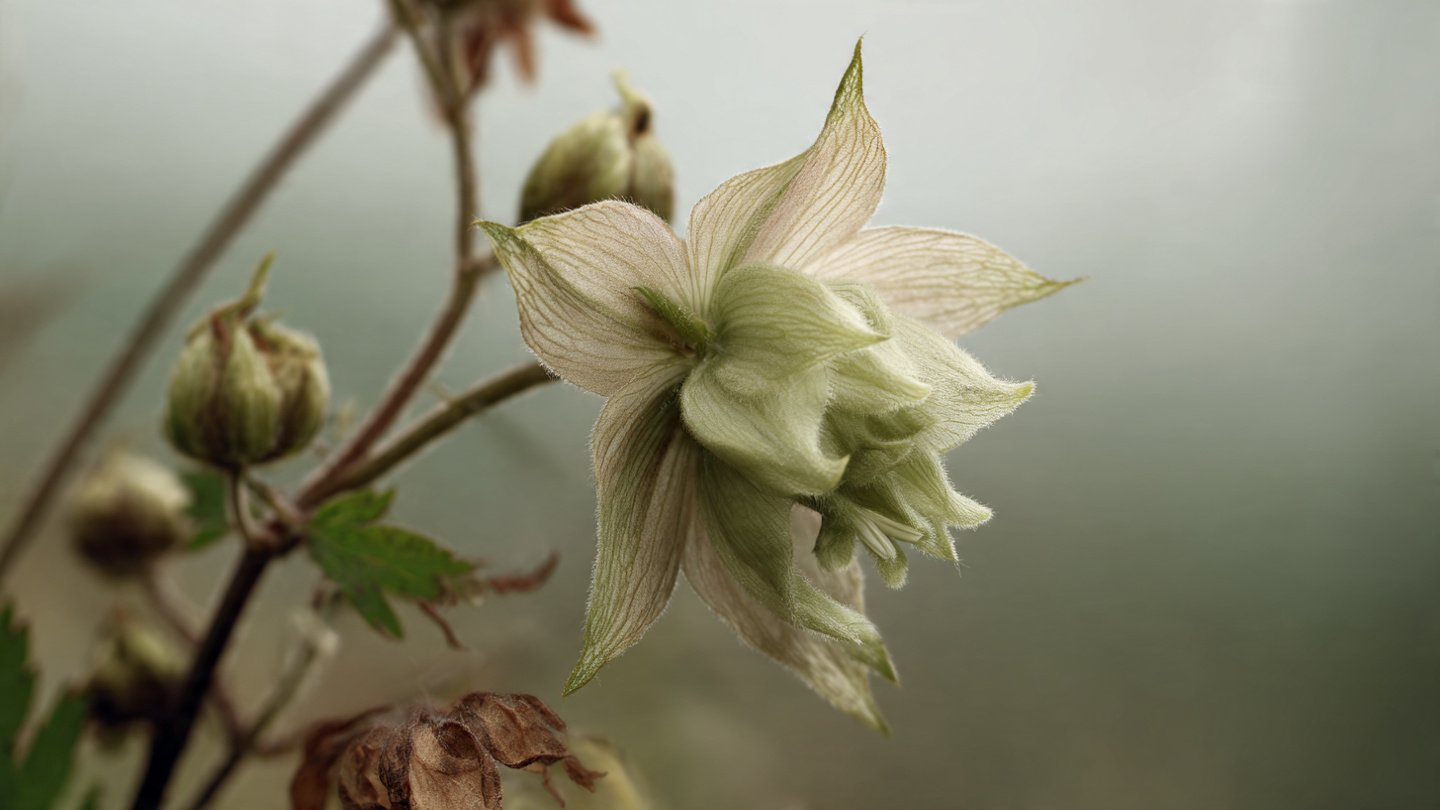
Delphiniums are among the most strikingly beautiful flowering plants, known for their towering spikes and vibrant hues of blue, purple, pink, and white. These perennial beauties can enhance any garden, providing vertical interest and attracting pollinators. Growing delphinium from seed can be a rewarding venture if approached with knowledge and care. This article will guide you through the best methods to cultivate delphiniums from seed, ensuring a successful outcome.
Understanding Delphinium
Botanical Overview
Delphiniums belong to the Ranunculaceae family and consist of over 300 species. They are predominantly found in the Northern Hemisphere and come in various heights and flower forms. The most commonly cultivated species is Delphinium elatum, which can reach heights of up to six feet.
Growth Habits
Delphiniums thrive in temperate climates and prefer full sun to partial shade. They often bloom in late spring to early summer, although timing may vary based on local climate conditions. The plants produce tall, lush flower spikes and are typically grown as tall perennials.
Varieties
When selecting delphinium seeds, consider the following popular varieties:
- Pacific Giants: Known for large blooms and sturdy stems.
- Magic Fountain Series: Shorter in stature, suitable for smaller gardens.
- New Zealand Hybrids: Recognized for their unique colors and robust growth.
Preparing to Grow Delphinium from Seed
1. Choosing the Right Time
The timing of planting delphinium seeds is crucial for successful growth. You can sow seeds indoors about 8-10 weeks before the last frost date or directly in the garden once the soil temperature reaches around 65°F (18°C).
2. Seed Selection
Purchase high-quality seeds from reputable gardening suppliers. Check the seed packet for the germination rate and ensure the seeds are suitable for your climate zone.
3. Required Materials
Gather all the necessary materials before starting:
- Seed trays or pots
- Seed starting mix
- Watering can or spray bottle
- Labels and marker
- Plastic wrap or humidity dome (for indoor planting)
Seed Germination Process
1. Preparing the Soil
Delphiniums prefer well-drained, fertile soil. Use a seed starting mix that is light and airy. Pre-moisten the mix before filling your trays or pots.
2. Sowing the Seeds
Sow delphinium seeds on the surface of the soil, as they need light to germinate. Do not bury them, but lightly press them into the soil. Space the seeds at least an inch apart to prevent overcrowding.
3. Watering
Water the seeded trays gently using a spray bottle or watering can, ensuring that the soil is moist but not soggy. Cover the trays with plastic wrap or a humidity dome to retain moisture and warmth.
4. Providing the Right Conditions
Place the trays in a warm, bright location but out of direct sunlight to prevent overheating. Maintain a consistent temperature of about 70°F to 75°F (21°C to 24°C) for optimal germination.
5. Germination Timeframe
Delphinium seeds usually take about 10-20 days to germinate. Monitor moisture levels and remove the cover once sprouts appear to improve air circulation.
Transplanting Seedlings
1. Preparing for Transplanting
Once seedlings develop two to three sets of true leaves, they are ready for transplanting. This stage typically occurs about 4-6 weeks after germination.
2. Hardening Off
Before moving seedlings outdoors, harden them off by gradually acclimating them to outdoor conditions. Over a week, place them outside for a few hours each day, gradually increasing their exposure to sunlight and wind.
3. Soil Preparation
Choose a planting site with well-draining soil and full sun. Amend the soil with compost to enrich nutrients. Ensure the planting area is free from weeds and debris.
4. Planting the Seedlings
Space the seedlings 18-24 inches apart, depending on the variety. Dig holes deep enough to accommodate the root system and gently place the seedlings in, covering their roots with soil. Water well after planting to settle the soil around the roots.
Ongoing Care
1. Watering
Delphinium plants require consistent moisture, especially during dry periods. Water deeply once a week, allowing the soil to partially dry out between watering sessions. Take care not to overwater, as this can lead to root rot.
2. Fertilization
Feed your delphiniums with a balanced fertilizer every 4-6 weeks during the growing season. A slow-release granular fertilizer or a water-soluble option can help promote healthy growth and abundant blooms.
3. Mulching
Apply a 2-3 inch layer of mulch around the base of the plants to help retain moisture, suppress weeds, and maintain a stable soil temperature. Organic mulches, such as straw or shredded leaves, can also improve soil health as they decompose.
4. Pest and Disease Management
Keep an eye out for pests like aphids and slugs. Use neem oil or insecticidal soap as needed. Regularly inspect your plants for signs of disease, such as powdery mildew or rust, and trim affected leaves to prevent spreading.
Supporting Growth
1. Staking
Tall delphinium varieties may require staking for support, especially as they grow taller and produce heavy blooms. Use bamboo stakes or other supports and tie the stems loosely with garden twine.
2. Pruning
Prune spent flowers (deadheading) to encourage continuous blooming. Additionally, cutting back foliage in the fall can prevent disease and promote healthier growth in the following season.
Preparing for Winter
In colder climates, delphiniums can be susceptible to frost damage. Consider these steps to protect your plants:
- Mulch: Apply a thicker layer of mulch in late fall to insulate the roots.
- Cutting Back: Cut perennials back to the ground after the first frost to reduce disease risk and keep the garden tidy.
- Covering: In regions with severe winters, consider covering plants with burlap or protective fabric.
Conclusion
Growing delphiniums from seed can be a gratifying and visually stunning endeavor. With proper planning, attention to detail, and ongoing care, your delphiniums will thrive across seasons, gracing your garden with their magnificent blooms. By following these methods, you will not only cultivate beautiful flowers but also create a vibrant, inviting space filled with color and life. Happy gardening!