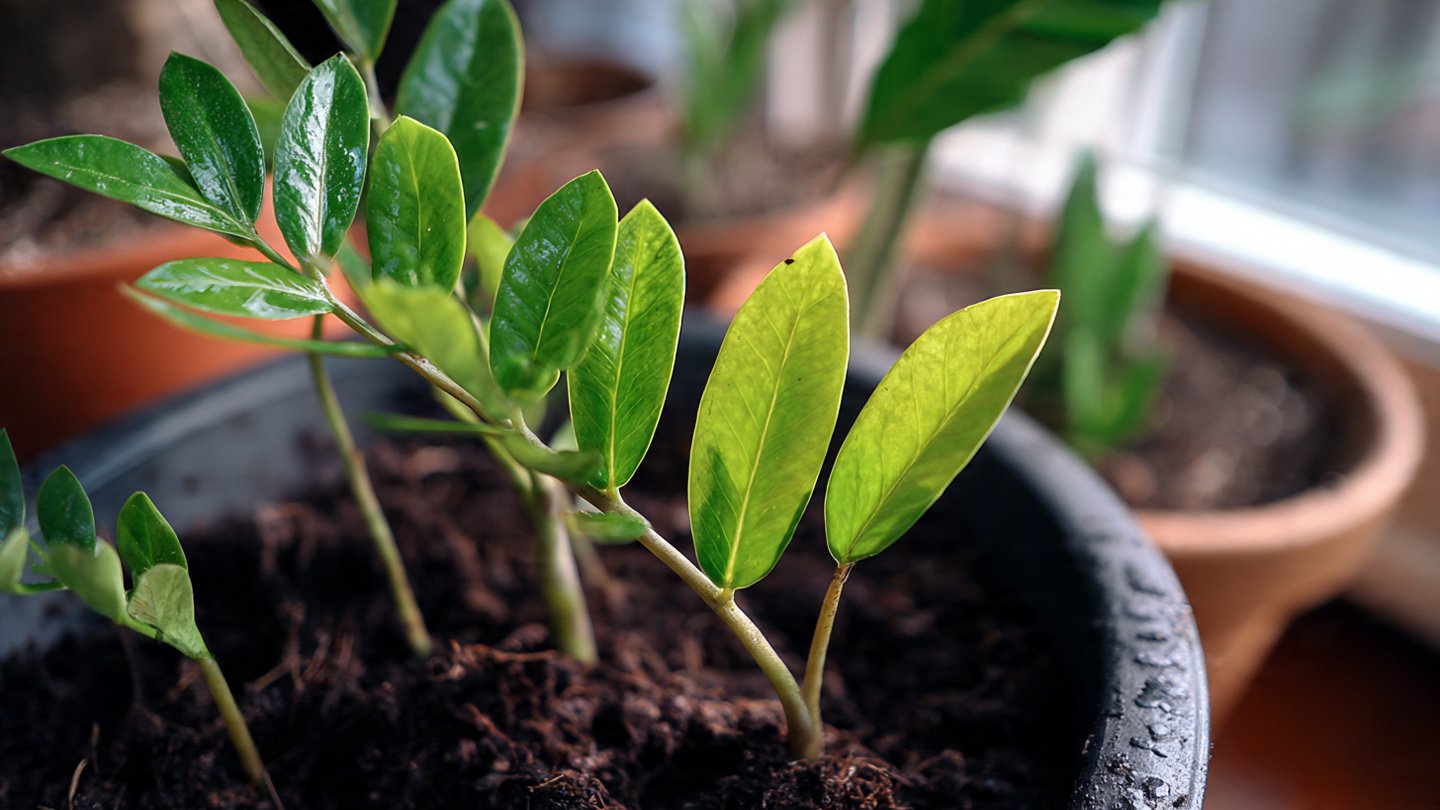
The ZZ plant (Zamioculcas zamiifolia) has become a beloved houseplant due to its stunning glossy leaves, low maintenance needs, and tolerance for low light conditions. One of the most rewarding aspects of owning a ZZ plant is propagating it to grow new plants. While stem and division propagation methods are popular, propagating ZZ plants from leaves in soil is a surprisingly effective and gratifying way to cultivate new growth. This article will guide you step-by-step on how to successfully propagate ZZ plant leaves in soil, helping you nurture thriving, healthy new plants.
Understanding ZZ Plant Propagation
Before diving into the propagation process, it’s important to understand a little about ZZ plants and how they propagate naturally. ZZ plants have rhizomes—underground stems that store water and nutrients. These rhizomes play a key role in the plant’s ability to regenerate and grow new shoots.
While ZZ plants can be propagated through stem cuttings or dividing rhizomes, leaf propagation is an accessible and efficient method for many plant enthusiasts. When propagating from leaves, each leaf can grow a new rhizome underground, eventually producing a new shoot or stem.
Why Propagate ZZ Plants from Leaves?
There are several reasons why propagating ZZ plants from leaves is an excellent choice:
- Ease of Execution: Leaf propagation does not require the removal of large portions of the plant, making it less stressful for the mother plant.
- Numerous New Plants: Each leaf can potentially yield a new plant, allowing you to multiply your ZZ plants quickly.
- Cost-Effective: Propagating from leaves eliminates the need to purchase new plants.
- Fun and Rewarding: Watching new plants slowly emerge from leaf cuttings is a gratifying experience for plant lovers.
Materials Needed for Leaf Propagation
Gathering the right materials before starting is critical for successful propagation:
- A healthy ZZ plant from which to take leaves
- A clean, sharp knife or scissors
- Small pots or propagation trays with drainage holes
- Well-draining potting soil (one designed for succulents or cacti works best)
- Rooting hormone (optional but helpful)
- Water spray bottle
- A warm, bright location with indirect light
Step-by-Step Guide to Leaf Propagation in Soil
Step 1: Select Healthy Leaves
Choose mature, healthy leaves from your ZZ plant. These should be free from pests, spots, or damage. Healthy leaves have the best chance of developing into new plants. Using a clean, sharp knife or scissors, cut the leaves at the base near the stem. For best results, select multiple leaves to maximize your propagation success rate.
Step 2: Prepare the Leaves
Allow the cut leaves to dry for a day or two in a shaded, well-ventilated area. This drying period helps the leaf cut ends callus over, reducing the risk of rot when planted in soil. If you are in a humid environment, this step is particularly important.
Step 3: Optional – Apply Rooting Hormone
Applying rooting hormone to the cut ends of the leaves can stimulate faster root development. Dip the leaf ends lightly into the hormone powder or gel, and shake off any excess. While this step is optional, it improves the chances of successful propagation, especially if you are new to propagating ZZ plants.
Step 4: Prepare the Potting Mix
Fill your pots or propagation trays with a well-draining potting mix. A succulent or cactus soil mix is ideal because it prevents water retention, which can cause leaf rot. You may also mix regular potting soil with perlite or sand to improve drainage. Moisten the soil slightly before planting the leaves.
Step 5: Plant the Leaves
Insert the cut end of each leaf into the soil about 1-2 inches deep. Make sure the leaf is upright and firm in the soil. You can plant multiple leaves in each pot but leave enough space between them for airflow and growth.
Step 6: Water and Maintain
After planting, water the soil lightly to settle it around the leaves. Avoid overwatering because ZZ plants are susceptible to root rot. Use a spray bottle to mist the soil to keep it just moist, not soggy. Maintain a warm environment, ideally between 70-80°F (21-27°C).
Step 7: Provide Indirect Light
Place the pots in a bright location with indirect sunlight. Avoid direct sun, which can scorch the leaves. A north or east-facing window is ideal. The ambient light will encourage gradual root and rhizome development.
Step 8: Be Patient
Propagation from ZZ plant leaves is a slow process. New roots may take 2-3 months or longer to develop, and new rhizome growth can take up to 6 months or more. Patience and consistency with watering and light are key to success.
Step 9: Transplant New Plants
Once you notice new shoots or stems emerging from the soil, it’s time to transplant your young ZZ plants into individual pots. Choose pots with drainage holes and continue to use well-draining soil. Gradually introduce the new plants to brighter indirect light and normalize a watering schedule by allowing the soil to dry between watering.
Tips for Maximizing Propagation Success
- Clean Tools: Always use sterilized cutting tools to avoid introducing diseases.
- Healthy Mother Plant: Propagate leaves from a thriving, well-watered ZZ plant for better chances of success.
- Proper Pot Size: Start with small pots for leaf cuttings; transplant bigger as plants grow.
- Humidity: Maintain moderate humidity levels by misting or covering the pots with a plastic dome if your air is dry.
- Avoid Overwatering: Remember, ZZ plants prefer to dry out completely between waterings.
- Monitor for Pests: Check regularly for pests like spider mites or mealybugs that can harm new roots and shoots.
Common Challenges and How to Overcome Them
Leaf Rot
Leaf rot is the most common issue in ZZ leaf propagation caused by overwatering or poorly draining soil. Prevent this by using well-draining potting soil and watering sparingly.
Slow or No Growth
If leaves fail to show roots or shoots after a few months, ensure they’re in suitable light and warmth. Rooting hormone can also boost growth. If no signs of life are evident after 6-8 months, consider starting with fresh leaves.
Pests
New growing ZZ plants can occasionally attract pests. Isolate propagated plants and treat infestations promptly with insecticidal soap or neem oil.
Why Does ZZ Plant Propagation Take So Long?
ZZ plants are slow growers naturally. The thick rhizomes develop underground, often without immediate visible signs of growth. The slow root and rhizome formation ensure the plant stores enough nutrients and water for sustained growth. Understanding this timeline helps temper expectations and encourages patience.
Conclusion
Propagating ZZ plant leaves in soil is a rewarding project that can fill your space with more of these resilient and beautiful plants. While the process requires patience, following the right steps—from selecting healthy leaves to providing optimum soil, light, and moisture—ensures the best chance of success. The joy of nurturing new life from a single leaf cutting is unmatched in the world of indoor gardening. Armed with this guide, you’re now ready to successfully propagate your ZZ plants and enjoy thriving new growth for years to come. Happy gardening!