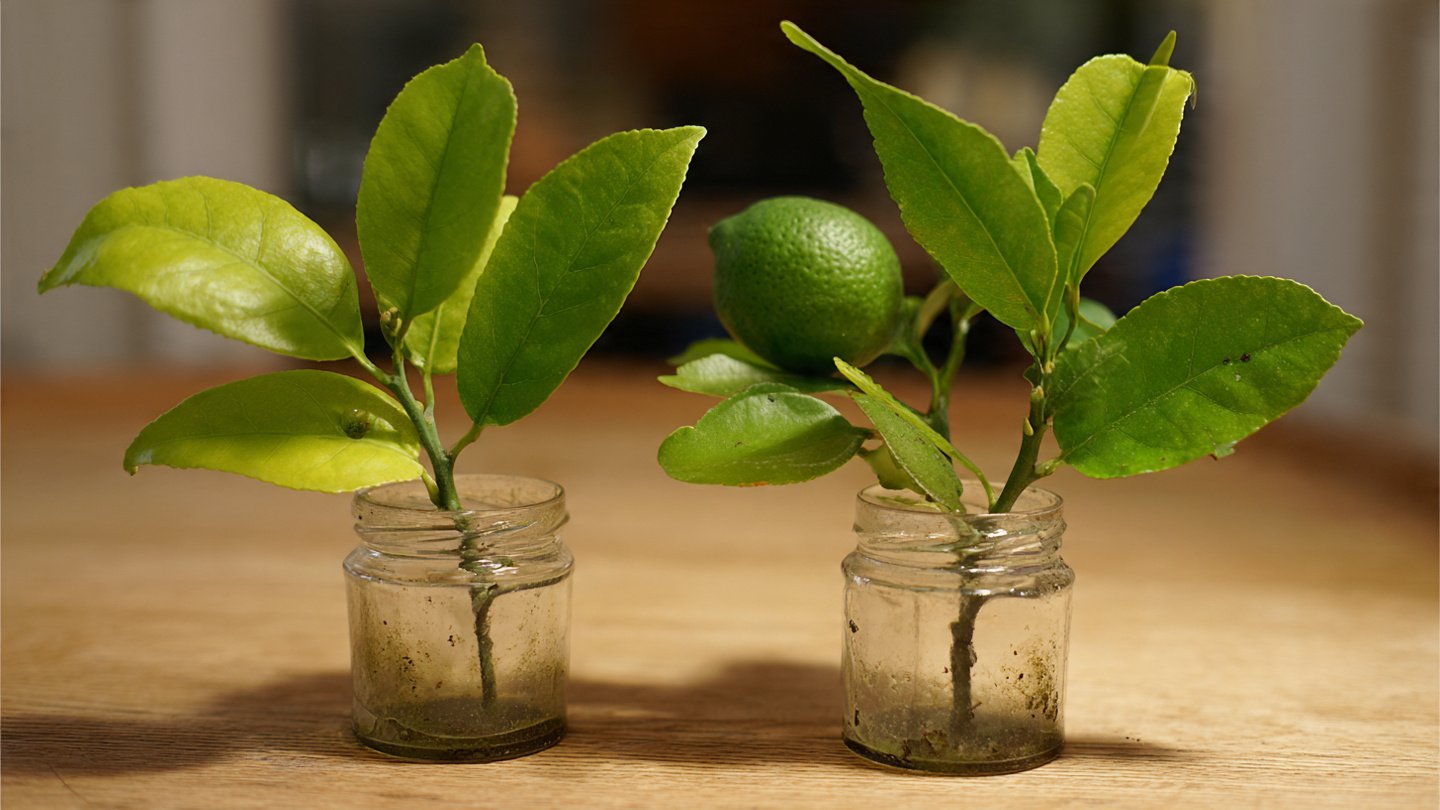
Lime trees are prized for their vibrant green foliage and the tangy, refreshing fruits they produce. Whether you want to add to your garden, create a hedge, or cultivate your own lime supply, propagating lime trees from cuttings is an efficient way to grow healthy plants. This article will provide a comprehensive guide on how to successfully propagate limes from cuttings.
Understanding Lime Trees
Before diving into propagation techniques, it’s essential to understand lime trees themselves. They belong to the Rutaceae family and the Citrus genus, which includes oranges, lemons, and grapefruits. Lime trees thrive in warm, tropical to subtropical climates, though they can be grown in containers in colder regions.
Types of Lime Trees
-
Persian Lime (Citrus latifolia): Also known as Tahitian lime, this variety is seedless and produces a sweeter flavor.
-
Key Lime (Citrus aurantiifolia): Smaller than Persian limes, these are known for their tart flavor and aromatic zest, commonly used in desserts and cocktails.
-
Kaffir Lime (Citrus hystrix): Known for its fragrant leaves and bumpy fruit, it is often used in Southeast Asian cuisine.
Each type of lime has its unique characteristics, but the principles of propagation remain the same across the varieties.
Why Choose Propagation from Cuttings?
Propagation from cuttings offers several advantages:
-
Identical Genetics: The new plant will be genetically identical to the parent, ensuring consistency in fruit quality and tree characteristics.
-
Faster Growth: Cuttings can grow more quickly than seeds, often producing fruit in a shorter time frame.
-
Easier Care: Young cuttings tend to establish more easily in controlled environments, allowing for better management of water and nutrients.
Preparing to Propagate
1. Gather Materials
To successfully clone lime trees, you’ll need:
-
Healthy Parent Lime Tree: Look for a tree that shows signs of good health—no diseases or pests.
-
Sharpened Pruning Shears: A sharp, clean cut minimizes damage and reduces the risk of disease.
-
Rooting Hormone: This is optional but can accelerate root development.
-
Potting Soil: Choose a high-quality potting mix that provides good drainage. You might consider using a mix of peat moss and perlite.
-
Containers: Small pots or seed trays work well for this purpose.
-
Plastic bags or a humidity dome: These will help maintain moisture around your cuttings.
2. Time Your Cuttings
The best time to take cuttings from lime trees is during late spring or early summer when the tree is actively growing. Young, semi-hardwood stems are the most viable options.
Step-by-Step Guide on Propagating Lime Trees from Cuttings
Step 1: Taking Cuttings
-
Choose the Right Stem: Look for healthy stems that are green, pliable, and flexible, about 4-6 inches long. Avoid any stems that are flowering, as they may not root well.
-
Make the Cut: Using sharp pruning shears, make a clean cut at a slight angle just below a leaf node. This is where the roots will emerge.
-
Remove Lower Leaves: Trim off the lower leaves, leaving just a couple at the top. This reduces water loss and directs energy towards root formation.
Step 2: Preparing the Cuttings
-
Dip in Rooting Hormone (Optional): If available, dip the cut end of your cutting in rooting hormone to encourage root growth.
-
Plant the Cuttings: Fill your containers with the potting mix, moisten the soil, and make a hole using your finger or a pencil. Insert the cutting about an inch deep and firm the soil around it to eliminate air pockets.
Step 3: Creating a Humid Environment
-
Cover Cuttings: To maintain high humidity, cover the cuttings with a plastic bag or a humidity dome. Ensure that the cover does not touch the leaves, which can cause rot.
-
Ventilation: Open the cover occasionally to prevent mold growth and allow fresh air to circulate.
Step 4: Caring for the Cuttings
-
Watering: Keep the soil consistently moist but not waterlogged. Overwatering can lead to rot.
-
Light: Place the containers in a location with bright, indirect sunlight. Direct sunlight can scorch the cuttings.
-
Temperature: Aim to keep the environment warm, ideally between 70°F and 80°F (21°C – 27°C).
Step 5: Monitoring Root Development
In about 4 to 8 weeks, check for roots by gently tugging on the cuttings. If you feel resistance, roots have likely formed. Once roots are established (around 2-3 inches long), you may transplant them into larger pots.
Transplanting Your Lime Saplings
1. Prepare New Pots
Select pots that are slightly larger than what you used for the cuttings, ensuring they have drainage holes.
2. Move the Saplings
Gently remove the rooted cuttings from their current containers, being careful not to damage the roots. Plant them in the new pots with the same potting mix.
3. Initial Care
-
Water the transplanted saplings thoroughly, allowing excess to drain out.
-
Keep them in a shaded area for a week or so to help them acclimatize before gradually introducing them to more sunlight.
Long-term Care and Maintenance
Once your lime trees are established, they require ongoing care:
1. Watering
Young lime trees need consistent moisture, especially during dry spells. Water them when the top inch of soil feels dry.
2. Fertilizing
Use a balanced citrus fertilizer during the growing season to encourage healthy growth and fruit production.
3. Pruning
Regular pruning will help maintain shape and remove any dead or diseased branches. It also encourages better airflow, which can reduce pest issues.
4. Pest Management
Keep an eye out for common pests such as aphids, scale, and spider mites. Use organic insecticides or horticultural oils as needed.
Conclusion
Propagating lime trees from cuttings is a rewarding endeavor that can lead to a flourishing garden. With proper care, you can develop several lime trees that not only beautify your landscape but also provide delicious fruit. Remember to treat your cuttings with care, and you’ll be well on your way to enjoying the many benefits of home-grown limes. Happy gardening!