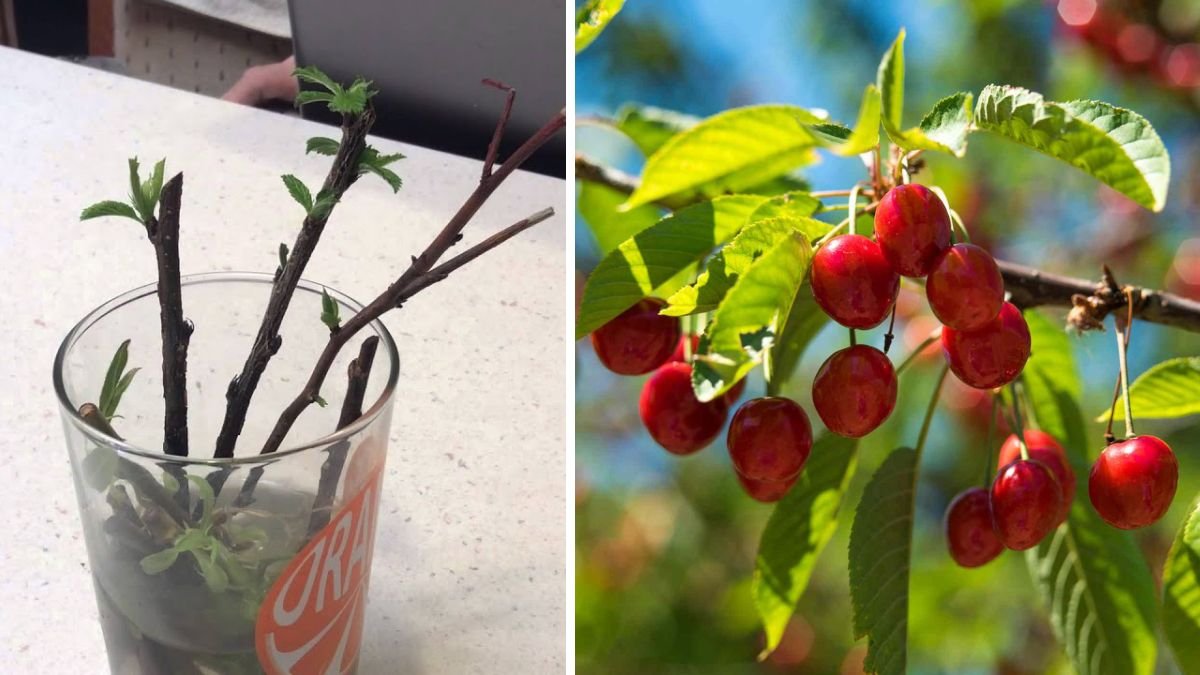
Cherry trees are a popular choice for home gardeners due to their stunning blossoms in spring and delicious fruit in summer. Propagating cherry trees from cuttings is one effective method to multiply your plants without the need for seeds. This guide will cover the types of cherry trees suitable for propagation, the step-by-step process, and tips for ensuring success.
Understanding Cherry Trees
Types of Cherry Trees
Cherry trees can be classified into two main categories:
-
Sweet Cherry (Prunus avium): Known for its sweet, juicy fruits, this type requires a pollinator to bear fruit. They thrive in warmer climates.
-
Sour Cherry (Prunus cerasus): These cherries are tart and often used for baking. They are usually self-pollinating and can grow in a wider range of conditions.
Both types can be propagated using cuttings, although they may respond differently to the process.
Best Time for Propagation
The best time to take cuttings from cherry trees is during the late spring or early summer when the new growth is still flexible but has started to mature. During this time, the tree’s energy is focused on growth, which increases the chances of successful rooting.
Tools and Materials Needed
Before you start, ensure you have the necessary tools and materials:
- Sharp, clean pruning shears: To take cuttings.
- Rooting hormone: A natural or synthetic powder that encourages root growth.
- Planting medium: A mix of peat moss, perlite, or sand for good drainage.
- Containers: Small pots or trays for planting cuttings.
- Water: For keeping cuttings moist.
- Plastic bag or humidity dome: To maintain humidity around the cuttings.
Step-by-Step Guide to Propagate Cherry Trees from Cuttings
Step 1: Take Cuttings
-
Select Healthy Growth: Look for healthy, disease-free branches on the cherry tree. Choose semi-hardwood growth, which is neither too green nor too woody.
-
Cut the Stem: Using clean pruning shears, cut a 6-8 inch section of stem that includes several leaf nodes. Make the cut just below a node to maximize rooting potential.
-
Prepare the Cutting: Remove any leaves from the bottom half of the cutting to prevent rot and to focus the plant’s energy on root development. Leave a couple of leaves near the top.
Step 2: Apply Rooting Hormone
-
Dip in Rooting Hormone: Lightly dip the cut end of the stem into the rooting hormone. This step is crucial as the hormone promotes root growth and helps protect against pathogens.
-
Shake Off Excess: Ensure you shake off any excess powder to avoid clumping, which can hinder rooting.
Step 3: Plant the Cuttings
-
Prepare the Containers: Fill your pots or trays with the planting medium. Ensure it’s moist but not soggy.
-
Make Holes: Use a pencil or your finger to make a hole in the medium, deep enough to accommodate the cutting.
-
Insert Cuttings: Insert the cuttings into the holes and gently press the medium around them for stability.
Step 4: Water and Cover
-
Water the Cuttings: Gently water the cuttings to eliminate air pockets around the roots.
-
Create a Humid Environment: Cover the pots with plastic bags or a humidity dome to maintain moisture. This step helps create an ideal environment for rooting.
Step 5: Care for the Cuttings
-
Place in Indirect Light: Keep the cuttings in a location with indirect sunlight. Too much direct sunlight can scorch the cuttings, while too little light can hinder growth.
-
Monitor Moisture: Check the moisture level regularly, ensuring the medium remains damp but not waterlogged.
-
Ventilation: If using plastic bags, occasionally remove them to provide ventilation and prevent mold growth.
Step 6: Roots Development
-
Check for Roots: After about 4-6 weeks, gently tug on the cutting. If you feel resistance, roots have formed.
-
Transplanting: Once the cuttings have developed a strong root system, carefully transplant them into larger pots or directly into your garden. Choose a site with well-draining soil and ample sunlight.
Aftercare for New Cherry Trees
Watering
Once established, young cherry trees require regular watering, especially during dry spells. However, avoid overwatering, which can lead to root rot.
Fertilization
Start fertilizing about a month after transplanting using a balanced fertilizer. This will provide essential nutrients to boost growth.
Pruning
Regularly prune your cherry trees to promote good airflow, remove dead or diseased branches, and shape the tree. Proper pruning is crucial for healthy growth and fruit production.
Pest and Disease Management
Monitor your cherry trees for pests like aphids and diseases like fungal infections. Early detection and treatment are vital for maintaining tree health. Use organic pesticides or introduce beneficial insects as needed.
Conclusion
Propagating cherry trees from cuttings is an accessible way to expand your home garden and enjoy fresh cherries right from your backyard. With the right techniques and care, you can successfully cultivate new cherry trees that will thrive for many years to come.
FAQs
1. Can all cherry trees be propagated from cuttings?
Not all cherry trees propagate easily from cuttings. Sour cherries (Prunus cerasus) tend to root more reliably than sweet cherries (Prunus avium).
2. How long does it take for cherry cuttings to root?
Cherry cuttings typically take about 4-6 weeks to form roots, depending on environmental conditions and care.
3. Do I need to use rooting hormone?
While rooting hormone is not mandatory, it significantly increases the chances of successful rooting and helps protect the cutting from diseases.
4. What should I do if my cuttings are not rooting?
If your cuttings are not rooting, ensure that they are kept in a humid environment and that the planting medium remains moist. Check for signs of rot or disease, and consider trying again with fresh cuttings.
5. When should I transplant my rooted cuttings?
Transplant your rooted cuttings after they have developed a strong root system. This is usually around 6-8 weeks after propagation, but keep an eye on how well the roots have developed.
6. Can I propagate cherry trees in winter?
It is generally not advisable to take cuttings in winter, as the tree is dormant. Spring or early summer is best for successful propagation.
7. How should I care for my new cherry trees after transplantation?
After transplanting, ensure consistent watering, fertilization, and pruning. Monitor for pests and diseases to promote healthy growth.
By following these steps and remaining patient and diligent, propagating cherry trees from cuttings can be a fulfilling and successful venture for any home gardener. Enjoy the beauty and bounty of your cherry trees in your garden!