Growing your own fruit can be a rewarding and enjoyable endeavor, and Santa Rosa plums are a fantastic choice for home gardeners. Known for their sweet, juicy flavor and vibrant color, these plums are not only delicious but also easy to grow with the right care. Whether you have a large backyard or just a small space, this guide will walk you through the essential tips and best practices for successfully growing Santa Rosa plums at home.
Understanding Santa Rosa Plums
What are Santa Rosa Plums?
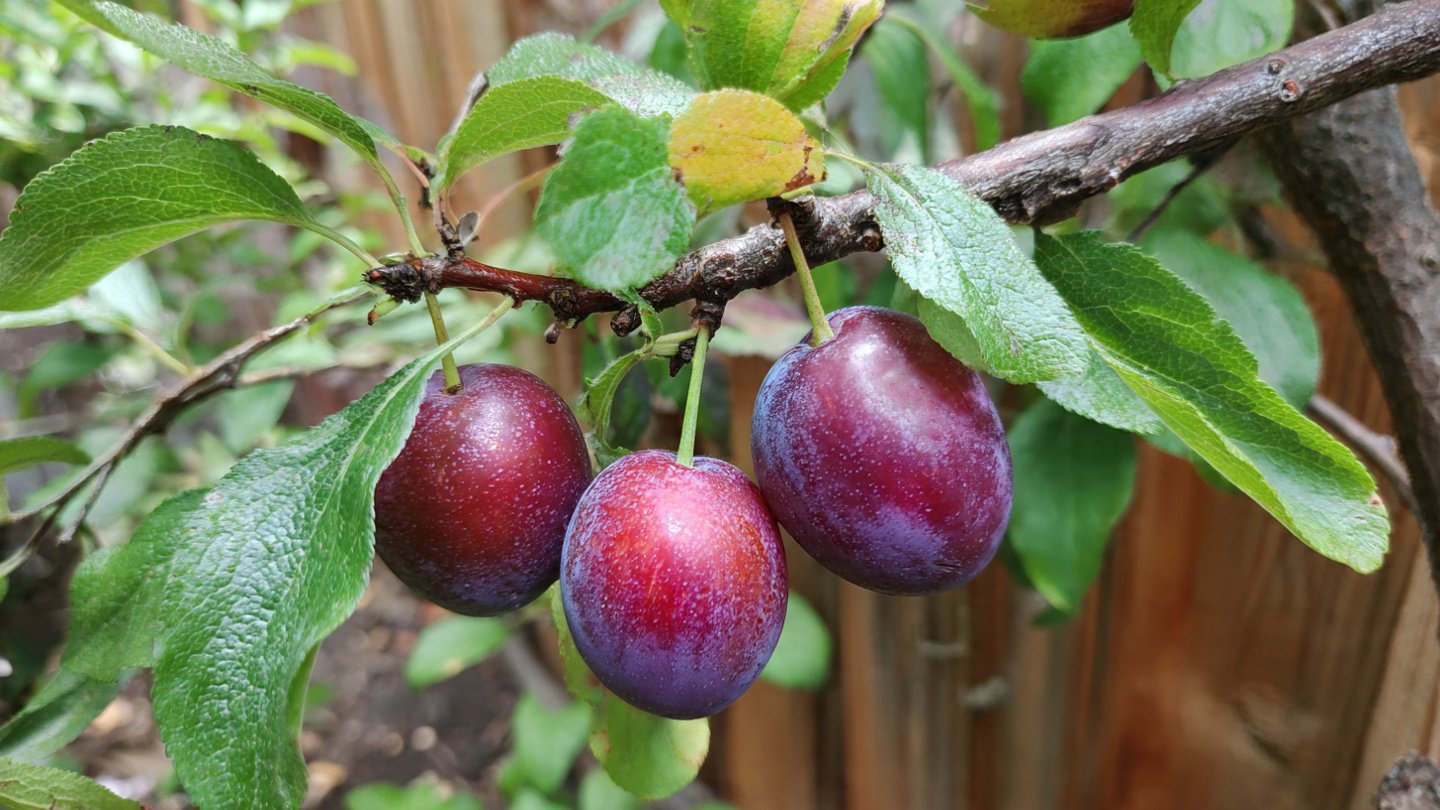
Santa Rosa plums (Prunus domestica) are a medium to large-sized fruit, typically round to oval in shape. They are characterized by their deep, reddish-purple skin and golden-yellow flesh, which is sweet and juicy. Originating in California, these plums are known for their rich flavor and versatility in recipes—from fresh eating to canning and jam-making.
Climate Requirements
Santa Rosa plums thrive in USDA hardiness zones 5 through 9, making them suitable for various climates. They prefer full sun exposure, which means at least six hours of direct sunlight each day. While they can tolerate some shade, ideal fruit production occurs in sunny spots.
Pollination
One essential aspect to consider is that Santa Rosa plums are not self-pollinating; they require another plum variety for cross-pollination to set fruit. Suitable pollinators include other Japanese plums like ‘Beauty’ or ‘Burbank,’ which bloom around the same time. Therefore, if you’re planning to grow Santa Rosa plums, ensure you have another compatible variety nearby.
Preparing to Plant
Choosing the Right Location
Select a well-drained area with plenty of sun. The soil should be loamy or sandy loam, rich in organic matter. Good drainage is crucial to prevent root rot. If your soil is heavy clay or tends to retain water, consider planting in raised beds or mounded plots.
Soil Preparation
Conduct a soil test to check for pH and nutrient levels. Santa Rosa plums prefer a slightly acidic to neutral pH of around 6.0 to 7.0. Amend the soil with compost or well-rotted manure to increase fertility and enhance drainage.
Selecting Your Plum Trees
You can purchase bare-root or potted trees from nurseries. Make sure that the trees are certified disease-free and suitable for your zone. When selecting varieties, look for healthy and vigorous specimens with a good structure.
Planting Your Santa Rosa Plums
When to Plant
The best time to plant Santa Rosa plums is in early spring, after the last frost. If you live in a warmer climate, you can also plant in the fall, giving them time to establish roots before the winter.
Planting Steps
- Dig the Hole: Make the planting hole about twice the width of the root ball and the same depth.
- Backfill: Place the tree in the hole, making sure the root collar (where the roots meet the trunk) is level with the soil surface. Backfill with a mixture of native soil and compost.
- Water Thoroughly: After planting, water generously to eliminate air pockets.
- Mulch: Add a layer of organic mulch around the base to retain moisture and suppress weeds.
Caring for Your Santa Rosa Plum Trees
Watering
Water your plum trees regularly, especially during dry spells. The soil should be kept moist but not soggy. Typically, a deep watering every week should suffice, but adjust according to your local climate conditions.
Fertilization
Apply a balanced fertilizer, such as a 10-10-10 formula, once in early spring as new growth begins. Follow up with a second application in mid-season. Always follow the package instructions, as over-fertilization can harm your fruit.
Pruning
Pruning is vital for maintaining the health of your plum tree. Begin pruning when the tree is young to establish a strong structure. Remove dead or crossing branches, and aim for an open center to allow sunlight to penetrate. Generally, prune in late winter or early spring before new growth starts.
Pest and Disease Management
Santa Rosa plums can be susceptible to various pests and diseases. Monitor your trees regularly for signs of damage. Common issues include:
- Brown Rot: This fungal disease can cause fruit to rot. Prune out infected areas and remove any fallen fruit.
- Spider Mites and Aphids: These pests can be managed with insecticidal soap or neem oil.
Harvesting Your Plums
When to Harvest
Santa Rosa plums typically ripen in late summer, around July to August. To determine ripeness, gently squeeze the fruit; it should yield slightly. The color should be vibrant, and the fruits should easily come off the branch with a twist.
How to Harvest
Use a pair of pruning shears or clippers to harvest the plums, taking care not to damage the tree or other fruit. Handle the harvested plums gently to avoid bruising.
Best Practices for Long-term Care
Creating a sustainable environment for your Santa Rosa plums involves regular monitoring and care. Implement these best practices for long-term success:
- Rotate Crops: If you have a garden, practice crop rotation to minimize pest issues and to maintain soil health.
- Monitor for Water Stress: Be alert to signs of drought stress and adjust your watering schedule accordingly.
- Maintain Cleanliness: Keep the area around your trees clean and free of debris to prevent diseases and pests.
FAQs
1. How long does it take for Santa Rosa plums to fruit?
Santa Rosa plum trees typically begin to bear fruit in about 3 to 5 years after planting, depending on growing conditions and care.
2. Can I grow Santa Rosa plums in a container?
Yes, Santa Rosa plums can be grown in large containers, especially if space is limited. Choose dwarf varieties for better adaptability to pots.
3. What is the best fertilization schedule?
A balanced fertilizer in early spring and mid-season is generally sufficient. Follow the manufacturer’s instructions for application rates.
4. Do I need to thin the fruit?
Yes, thinning is essential for quality fruit production. Thin the developing fruit to one every 6-8 inches to improve size and quality.
5. How do I know if my plums are ready to pick?
When the plums are fully colored, slightly soft to the touch, and easily detach from the stem, they are ready to harvest.
6. Are Santa Rosa plums self-pollinating?
No, Santa Rosa plums need another compatible plum variety for effective pollination and fruit set.
7. What are some common pests that affect Santa Rosa plums?
Common pests include aphids, spider mites, and fruit borers. Regular monitoring and application of organic pest control methods can help manage these issues.
8. Can I grow Santa Rosa plums if I live in a colder climate?
Yes, but ensure that you choose a suitable variety and provide winter protection such as mulching to shield the roots from frost.
9. How do I treat brown rot?
Remove infected fruits and prune away affected branches. Maintaining good air circulation through careful pruning can help prevent brown rot.
10. Can I use Santa Rosa plums for canning?
Absolutely! Santa Rosa plums are excellent for canning, making delicious jams, jellies, and sauces.
Conclusion
Growing Santa Rosa plums at home is a fulfilling experience that can bring both beauty and bounty to your garden. With a little knowledge and commitment, you can cultivate these sweet, juicy fruits for years to come. By following the essential tips and best practices listed above, your journey into the world of plum cultivation will be enjoyable and rewarding. So roll up your sleeves, plant your trees, and get ready to savor the fruits of your labor! Happy gardening!