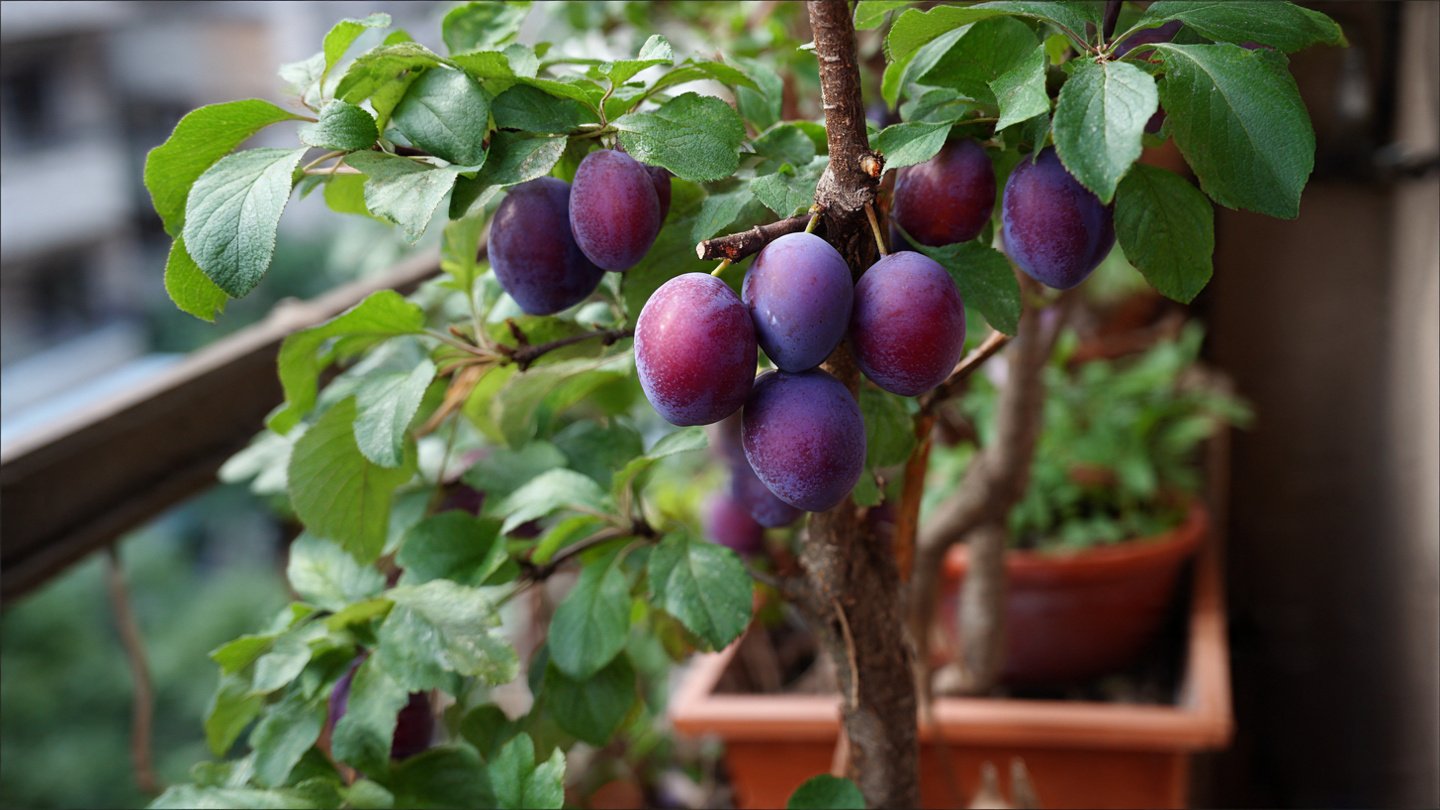
Growing your own fruits can be a rewarding experience, adding both beauty and utility to your home. If you live in an apartment or have limited outdoor space, you might think that growing fruit is out of reach. However, plums can thrive in containers, making them a fantastic choice for balcony gardening. In this guide, we will explore everything you need to know about successfully growing plums on your balcony, offering tips on variety selection, planting techniques, care, and maintenance. Plus, we’ll round it off with some frequently asked questions to help you on your journey toward fresh, homegrown fruit year-round!
Benefits of Growing Plums on Your Balcony
- Freshness: Homegrown plums are simply unmatched in flavor and freshness.
- Space Efficiency: Dwarf plum trees or container-grown varieties take up minimal space.
- Aesthetics: Plum trees produce beautiful blossoms in spring, enhancing your balcony’s appearance.
- Organic: You control what goes into your soil and plants, allowing you to grow organically.
- Cost-effective: Once established, you can enjoy plums without the recurrent cost of purchasing them from stores.
Choosing the Right Plum Variety
When considering which plum variety to grow on your balcony, opt for dwarf or semi-dwarf varieties that are well-suited for container growth. Here are some popular choices:
- Stella: Known for its sweet, succulent flavor, this variety is self-pollinating, making it ideal for smaller spaces.
- Methley: A Japanese plum known for its red skin and sweet, juicy flesh. It’s also self-pollinating.
- Santa Rosa: This variety produces delicious, versatile plums that are good for eating fresh or cooking.
- Bubblegum: A recent hybrid that offers a unique flavor profile, it is suitable for containers and attracts pollinators with its beautiful flowers.
Always check local growing conditions; some varieties may perform better in specific climates.
Selecting Containers for Your Plums
Container choice is crucial for growing plums successfully on a balcony. Here’s what to look for:
- Size: Choose a container that is at least 18-24 inches in diameter with ample depth (a minimum of 18 inches) to allow for proper root growth.
- Material: Containers can be made from a variety of materials, including plastic, ceramic, or natural wood. Ensure they have drainage holes to prevent waterlogging.
- Mobility: If your balcony receives varying light throughout the year, select containers that can be easily moved.
Soil Preparation
The right soil is vital for your plum tree’s growth. An ideal mixture combines:
- Potting Mix: Use a high-quality potting mix specifically designed for fruit trees. It provides excellent drainage and aeration.
- Compost: Organic compost enriches the soil with nutrients and promotes healthy growth.
- Perlite or Sand: Mixing in these materials can enhance drainage.
Planting Your Plum Tree
Planting your plum tree correctly sets the foundation for its future growth.
Step-by-Step Guide
-
Timing: The best time to plant is in spring after the last frost or in early autumn.
-
Fill the Container: Start by adding drainage material (like gravel) at the bottom, followed by your prepared soil mix.
-
Plant the Tree: Remove the tree from its nursery pot and gently loosen the roots. Plant it so that the graft union (swelling on the trunk where the tree was grafted) is at the soil level.
-
Soil Level: Fill in around the roots with soil and water thoroughly to eliminate any air pockets.
-
Mulch: Adding a layer of organic mulch helps retain moisture and suppress weeds.
Caring for Your Plum Trees
Consistent care is essential for growing plums successfully on your balcony. Here’s how to ensure your tree thrives:
Watering
- Water your plum tree deeply but infrequently to promote a robust root system. The soil should be kept moist but not soggy; aim for about 1 inch of water per week, more during hotter months.
Fertilizing
- Use a balanced fertilizer designed for fruit trees or a slow-release organic fertilizer every spring as new growth emerges. Follow the package instructions for dosage.
Pruning
- Pruning is necessary to shape the tree and promote airflow. Remove any dead or crossing branches and trim back excess growth during the dormant season (late fall or early spring).
Pest and Disease Management
- Common pests include aphids and spider mites. A gentle spray of neem oil or insecticidal soap can help manage infestations. Monitor for signs of disease, such as leaf discoloration or fruit rot, and act swiftly.
Pollination
While many plum varieties are self-pollinating, having a second tree can increase yields. If space allows, consider planting two varieties for optimal fruit set. If you’re using a self-pollinating variety, it’s a good idea to encourage pollinators by planting companion flowers nearby.
Harvesting Your Plums
Plums are typically ready for harvest when they are fully colored and slightly soft to the touch. Gently twist the fruit from the stem; ripe plums should come away easily. Never wait too long to harvest, as overripe plums can quickly attract pests.
Year-Round Care
- Winter: In colder climates, protect your container plum tree by wrapping it in burlap or moving it to a sheltered location on your balcony during freezing weather.
- Summer: Ensure adequate watering during hot spells and adjust shading to prevent sunburn on leaves.
- Fall: Prepare for dormancy by stopping fertilization and allowing the tree to rest.
Troubleshooting Common Issues
- Limited Growth: If your tree isn’t growing, check for container size, drainage, and watering practices.
- Poor Fruit Set: This may be due to insufficient pollination or nutrient deficiencies. Check your fertilization regime.
- Pests/Disease: Regular monitoring can help identify issues early. Adjust care as necessary.
FAQs about Growing Plums on Your Balcony
1. Can I grow plums in a small container?
Yes, you can grow dwarf varieties, which are well-suited for containers. Ensure your container is at least 18 inches deep and wide.
2. How much sunlight do plum trees need?
Plum trees require at least 6-8 hours of direct sunlight daily to thrive and produce fruit.
3. What should I do if my tree is not flowering?
Lack of flowers may be due to insufficient light, improper fertilization, or stress. Ensure the tree receives ample sunlight and consider a balanced fertilizer.
4. How often should I fertilize my plum tree?
Fertilize in the spring when new growth begins. Depending on the product, you may need to fertilize again mid-season.
5. Can I grow plums indoors?
While it’s not ideal, if you have a very sunny indoor location, you can attempt to grow plums indoors with adequate light and care. However, the results may vary.
6. How long does it take for a plum tree to bear fruit?
Most plum trees will begin producing fruit within 3-5 years after planting, depending on the variety and growing conditions.
Conclusion
Growing plums on your balcony is not only feasible but can also be a delightful and fruitful endeavor. By selecting the right variety, container, and care regime, you’ll soon enjoy fresh plums at your fingertips. Happy gardening, and may your balcony yield a bountiful harvest!