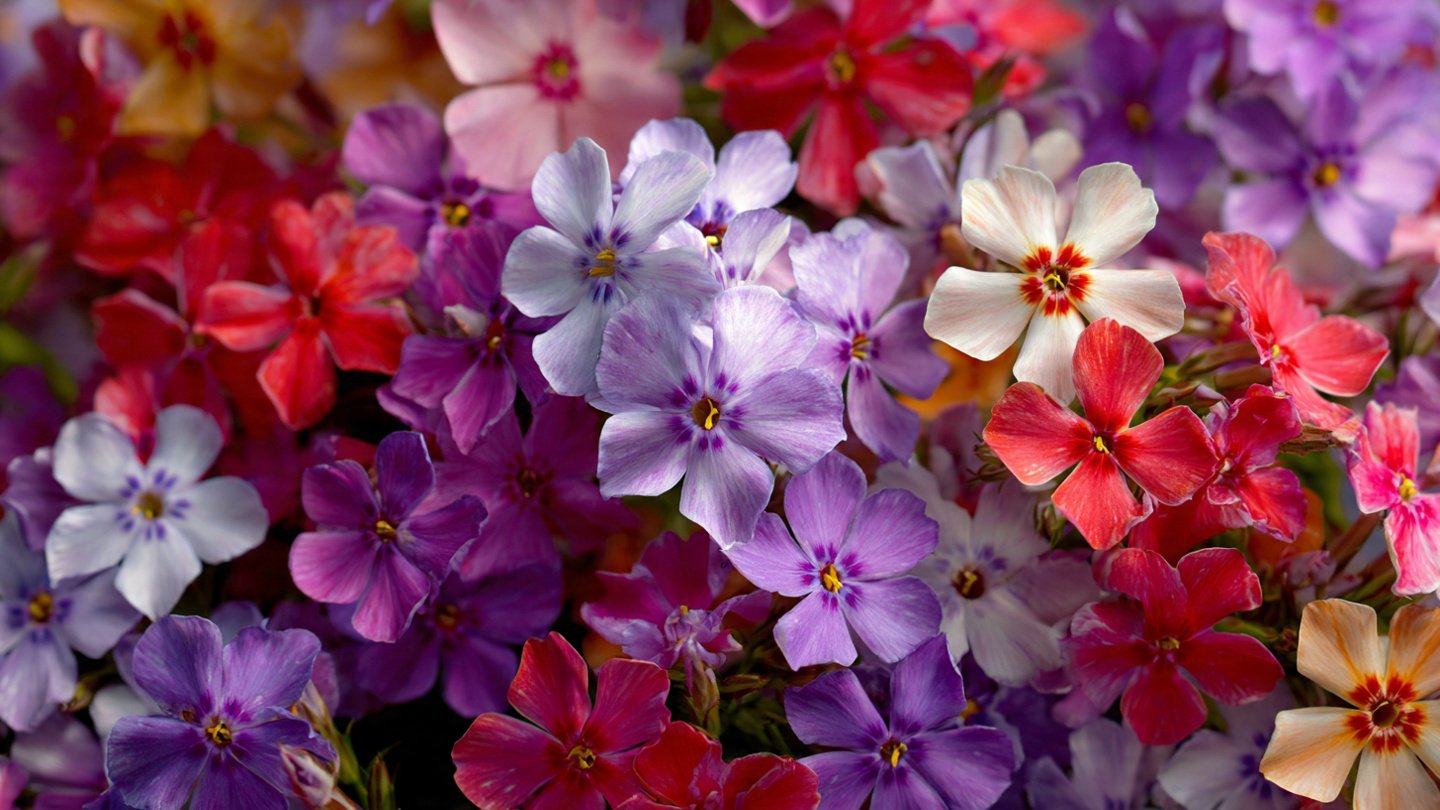
Phlox, a perennial flowering plant, is celebrated for its vibrant blooms and easy care, making it a favorite among gardeners. With a range of species and hybrid varieties available, phlox offers an array of colors, from soft pastels to striking brights, ensuring a dynamic display in any garden setting. This article will guide you through the essentials of growing phlox successfully and achieving a stunning mixed color bloom display.
Understanding Phlox
Types of Phlox
Phlox comes in several varieties, primarily divided into two categories:
- Garden Phlox (Phlox paniculata): Known for its tall, sturdy stems and large flower clusters, this variety blooms in mid-summer and can reach heights of 3 to 4 feet.
- Creeping Phlox (Phlox subulata): A low-growing variety, creeping phlox is often used as ground cover. It blooms in early spring and is perfect for cascading over rock walls and garden borders.
Choosing the Right Variety
When selecting phlox for your garden, consider mixing different varieties for a multicolored effect. Popular color options range from whites and pinks to reds, purples, and blues. Choose varieties that bloom at different times to ensure a continuous display from early spring through late summer.
Planting Phlox
Site Selection
Phlox thrives in well-draining soil and prefers full sun to partial shade. A site that receives at least 6 hours of sunlight daily is ideal. Ensure good air circulation around the plants to minimize disease susceptibility.
Soil Preparation
Phlox thrives in rich, moist, and well-draining soil. Amend your soil with organic matter like compost to improve its structure and nutrient content. Aim for a slightly acidic to neutral pH (6.0 to 7.0).
Planting Technique
- Timing: The best time to plant phlox is in the spring or fall when temperatures are mild. In many regions, early spring is ideal as plants can establish roots before the heat of summer.
- Spacing: Depending on the variety, space your phlox plants 12 to 18 inches apart. This distance allows for air circulation and gives the plants room to grow without overcrowding.
- Depth: Dig a hole that is slightly deeper and wider than the root ball of the phlox. Place the plant in the hole, fill it back with soil, and water thoroughly.
Care and Maintenance
Watering
While phlox prefers moist conditions, it’s crucial not to overwater. Water your phlox deeply once a week during dry spells. Early morning is the best time to water, as it minimizes evaporation and helps prevent fungal diseases.
Fertilizing
Feed your phlox in early spring with a balanced fertilizer to promote healthy growth. A slow-release fertilizer can provide nutrients over an extended period. Avoid over-fertilizing, as too much nitrogen can lead to lush foliage with fewer blooms.
Pruning
Regular pruning helps keep phlox plants healthy and encourages more blooms.
- Deadheading: Remove spent flowers to promote further blooming and maintain plant appearance.
- Cutting Back: After flowering, cut back the stems to about 6 inches from the ground. This encourages new growth and can help control plant height.
Pest and Disease Management
Phlox can be susceptible to disease, especially powdery mildew. Here’s how to manage common issues:
- Powdery Mildew: Ensuring good air circulation, avoiding overcrowding, and watering at the base of the plants can help prevent this fungal disease. If it does occur, using a fungicide can help mitigate its effects.
- Aphids & Spider Mites: Keep an eye out for aphids and spider mites, especially during dry spells. Regularly inspecting your plants and using insecticidal soap or neem oil can help manage pest populations.
Achieving a Vibrant Mixed Color Bloom Display
Creating a Color Palette
To achieve a stunning mixed-color bloom display, think strategically about color pairings:
- Complementary Colors: Pair contrasting hues, like yellow and purple, to create visual interest.
- Monochromatic Schemes: Use varying shades of one color, such as light to dark pinks, for a more cohesive look.
- Seasonal Blooms: Select phlox varieties that bloom at different times to extend the color palette throughout the growing season.
Companion Planting
Mix phlox with complementary perennials and annuals to enhance their beauty and increase garden interest. Some great companions for phlox include:
- Coneflower (Echinacea): Its tall structure pairs beautifully with garden phlox and attracts bees and butterflies.
- Black-eyed Susan (Rudbeckia): The bright yellow flowers contrast nicely with the various colors of phlox.
- Daylilies (Hemerocallis): With their robust nature, daylilies add texture and color to the area surrounding phlox.
Layering Heights
When planning your garden display, consider layering heights to add depth to your planting. Taller plants like garden phlox can be at the back of the bed, with shorter creeping phlox or other low-growing perennials in the foreground.
Seasonal Considerations
Understanding your local climate and seasonal changes can greatly affect phlox growth.
Winter Care
In colder climates, it’s essential to protect phlox during winter.
- Mulching: Apply a layer of mulch around your plants in late fall. This will help insulate the roots and protect them from freeze-thaw cycles.
- Cutting Back: After the first frost, cut back the foliage to prevent disease and allow new growth in spring.
Spring Awakening
As temperatures rise in spring, you will see new growth starting. It’s an excellent time to remove any dead foliage and refresh your mulch layer.
FAQs
1. How often should I water phlox?
Water phlox once a week, ensuring deep watering. In extreme heat or drought conditions, they may require more frequent watering.
2. When should I fertilize phlox?
Fertilize phlox in early spring as new growth begins to promote healthy flowering.
3. Can phlox be grown in containers?
Yes! Choose a large container with good drainage. Ensure the potting mix retains moisture but drains well.
4. How do I prevent powdery mildew on phlox?
Ensure good air circulation, avoid dense plantings, and water early in the day to reduce humidity around the plants.
5. When do phlox bloom?
Bloom times can vary by species, but most garden phlox bloom from mid-summer to early fall, while creeping phlox typically blooms in early spring.
6. Can I propagate phlox?
Yes, phlox can be propagated in several ways, including division in the spring or fall and cuttings taken in late summer.
7. Do phlox attract pollinators?
Absolutely! Phlox blooms attract bees, butterflies, and other beneficial insects, making them a great addition to pollinator gardens.
Conclusion
Growing phlox can be a rewarding experience, providing a vibrant splash of color to your garden. With proper care, attention to planting techniques, and thoughtful companion selections, you can enjoy a flourishing display of blooms. Whether you choose variety to add layers of colors or consider height and texture, phlox can elevate your gardening game. Happy planting!