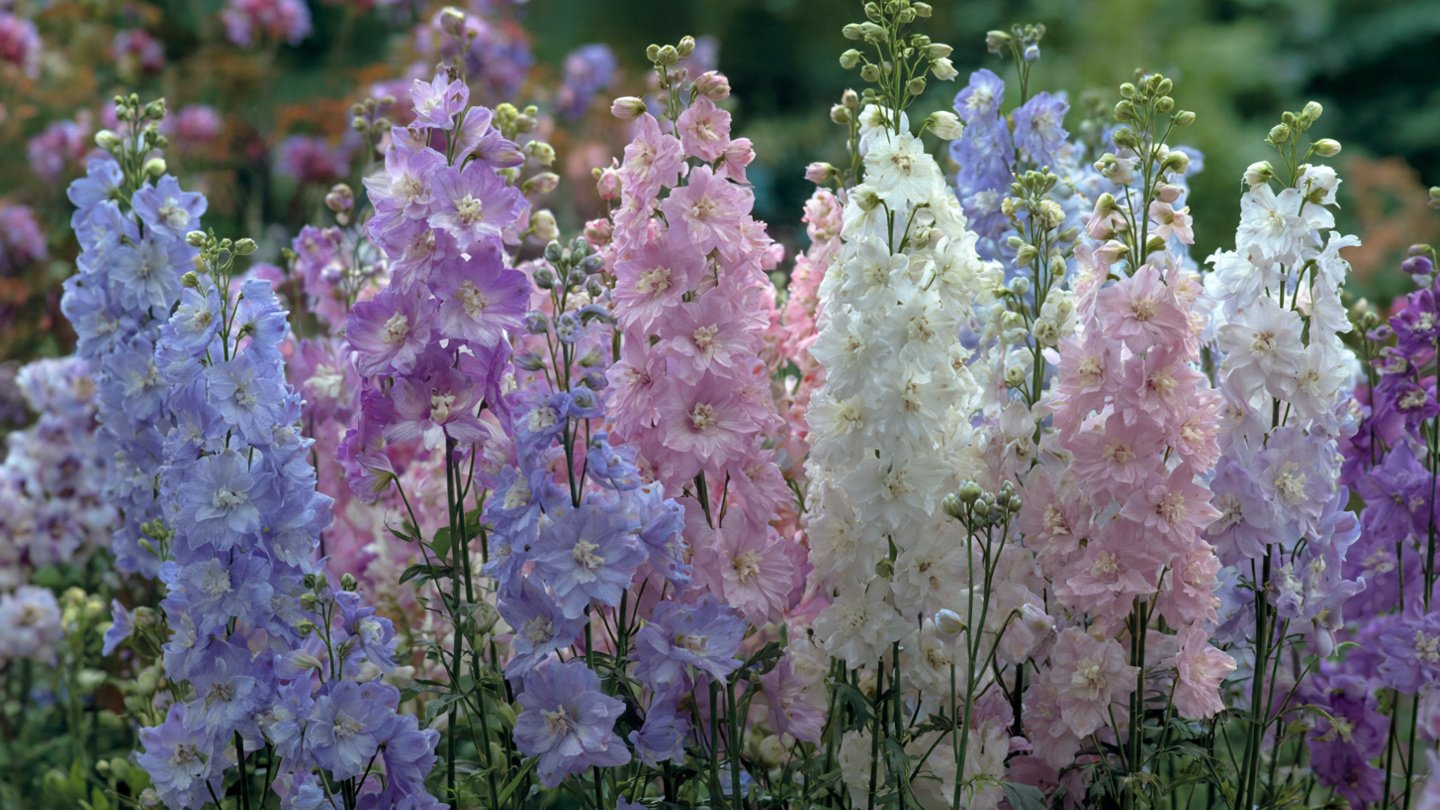
Larkspur (Delphinium), with its elegant spires, vibrant colors, and graceful appearance, is a favorite among gardeners looking to add a touch of beauty to their landscapes. Particularly, pastel shades of larkspur can transform your garden into a dreamy setting, evoking a sense of calm and sophistication. In this comprehensive guide, we will explore how to successfully grow larkspur in stunning pastel shades, covering everything from soil preparation to care tips, ensuring that your blooms are vibrant and healthy.
Understanding Larkspur
Larkspur belongs to the Ranunculaceae family and is native to the Northern Hemisphere. There are two primary types: annual larkspur (Delphinium ajacis) and perennial larkspur (Delphinium spp.). The annual variety is typically easier to grow from seed and produces beautiful blooms ranging in color, including various pastel shades like soft pink, lavender, and baby blue. Perennial larkspurs tend to grow larger and taller, making them visual focal points in flower beds.
The choice of cultivar will influence your success, so it’s essential to select those that offer the desired pastel hues. Popular pastel cultivars include:
- ‘Pastel Mix’: A blend of gentle shades, perfect for creating a soft color palette.
- ‘Blue Butterfly’: Features lovely light blue flowers.
- ‘Pink Dawn’: Showcases delicate blush pink blooms.
Soil Preparation
Choosing the Right Location
Larkspurs prefer full sun, so select a location that receives at least 6-8 hours of direct sunlight daily. While they can tolerate some shade, too much shade can lead to spindly growth with fewer blossoms. Look for a spot that has good air circulation to minimize the risk of fungal diseases.
Soil Quality
Larkspur thrives in well-draining soil that is rich in organic matter. The ideal pH is slightly acidic to neutral (between 6.0 and 7.0). Here are steps to prepare your soil:
-
Test Your Soil: Use a soil test kit to check the pH and nutrient levels. If necessary, amend the soil to reach the desired pH and add nutrients.
-
Amend with Organic Matter: Incorporate compost, well-rotted manure, or peat moss into your soil. This not only improves drainage but also enriches the soil with nutrients essential for strong plant growth.
-
Loosen the Soil: Loosen the top 12 inches of soil to ensure that roots can easily penetrate and establish themselves.
Planting Larkspur Seeds
Timing
The best time to plant larkspur seeds is in early spring or fall, depending on your climate. If you live in a region with cold winters, sowing seeds in the fall can help them establish a strong root system. March to April is typically ideal for spring sowing.
Seed Sowing
-
Direct Sowing: Space seeds about 12-18 inches apart in rows. Plant them at a depth of about ¼ to ½ inch. Water them gently after planting.
-
Starting Indoors: If you wish to start your larkspur indoors, sow seeds about 6-8 weeks before the last frost. Use seed trays filled with seed-starting mix. Transplant seedling outdoors once they are about 4-6 inches tall and the danger of frost has passed.
Germination
Larkspur seeds take about 7-14 days to germinate, depending on the temperature. Keep the soil lightly moist but not waterlogged. Remove any weeds that could compete for nutrients and water.
Watering and Fertilizing
Water Requirements
Larkspurs need regular watering, especially during dry spells. Drip irrigation is ideal, as it delivers water directly to the roots and minimizes humidity on the foliage, deterring diseases.
- Frequency: Water once a week during normal conditions. Increase frequency during hot, dry spells.
- Soil Check: Always check soil moisture before watering; the top inch should be dry, but the soil below ought to be moist.
Fertilization
Larkspurs benefit from a balanced fertilizer during the growing season.
- Initial Fertilization: Apply a slow-release fertilizer in early spring, following the package instructions. This provides essential nutrients for growing plants.
- Mid-Season Boost: A second application mid-season can support blooming.
Supporting Growth
Staking
Many larkspur varieties grow tall and may require support. Use garden stakes or cages to prevent plants from flopping over, especially once they begin to flower. Stake plants early to avoid damaging roots later in their growth cycle.
Mulching
Apply a 2-3 inch layer of mulch around your plants to retain moisture, regulate soil temperature, and suppress weeds. Organic mulches like straw, wood chips, or shredded leaves are ideal as they will also decompose over time, enriching the soil.
Pest and Disease Management
Common Issues
Larkspurs are generally resilient, but they can face a few issues:
-
Pests: Aphids, slugs, and snails can be troublesome. Regular inspections and introducing beneficial insects like ladybugs can control aphid populations.
-
Diseases: Powdery mildew and root rot are common, often resulting from overcrowded plants and improper watering techniques. To mitigate these issues:
- Ensure proper spacing for airflow.
- Avoid overhead watering in late afternoon or evening to allow the foliage to dry.
Encouraging Blooms
Deadheading
To encourage continuous blooming throughout the summer, regularly deadhead (remove spent flowers) as they fade. This not only promotes new growth but also prevents the plants from going to seed too early.
Seasonal Care
- Fall Care: After the first frost, cut back the plants to about 4-6 inches above the soil. This helps prevent diseases and prepares the plants for dormancy.
- Winter Protection: In colder regions, consider adding a layer of mulch or straw over the root zone to insulate against extreme temperatures.
Harvesting and Enjoying Larkspur
Once your larkspurs have bloomed, it’s time to enjoy their beauty! They make stunning cut flowers for arrangements. Here’s how to do it properly:
- Timing: Harvest when the bottom flowers are fully open, but before the top ones are fully done blooming.
- Cutting: Use clean, sharp scissors or shears to cut stems at an angle. This allows for better water uptake.
- Arrangement: Remove lower leaves to prevent decay in the water and arrange them in a vase with clean water. Adding flower food can extend their life further.
Conclusion
Growing larkspur in beautiful pastel shades can create a stunning focal point in your garden or floral arrangements. With proper planning, soil preparation, and care, you can enjoy these delicate flowers season after season. Whether you’re a seasoned gardener or a beginner, larkspur offers a rewarding gardening experience that combines the joy of cultivating plants with the beauty of nature’s palette.
Final Tips
- Experiment with Colors: Don’t hesitate to mix pastel shades to create a multi-colored effect. Each variety offers a unique touch to your garden.
- Companion Planting: Consider pairing larkspurs with other flowers like foxgloves, poppies, or sweet peas to create a diverse garden space.
- Document Growth: Keep a gardening journal to note your successes and challenges, which can help you improve your techniques in the future.
With attention to detail and a little patience, you’ll be well on your way to cultivating a garden bursting with enchanting pastel larkspur blooms. Happy gardening!