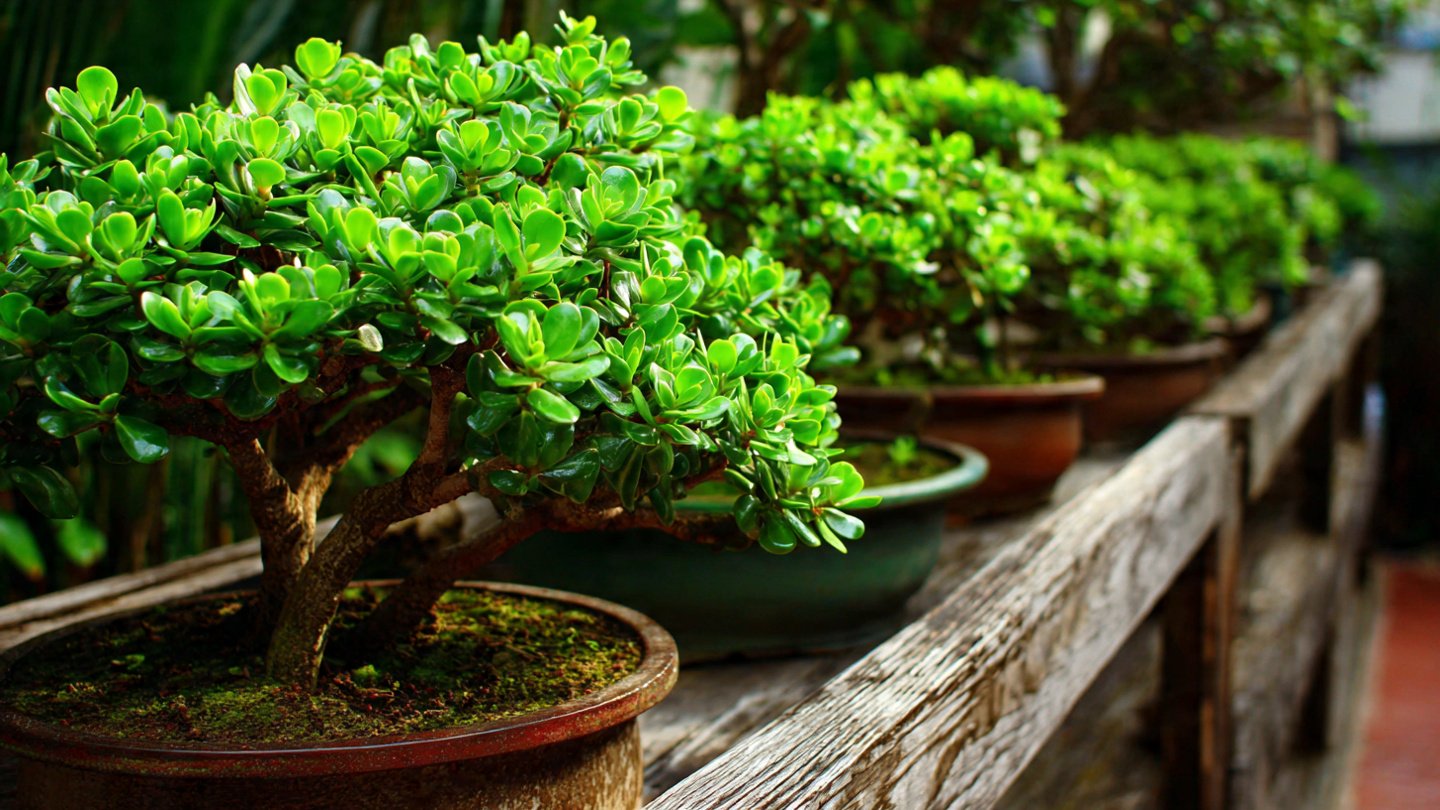
The jade plant, known scientifically as Crassula ovata, is a succulent that has captured the hearts of plant enthusiasts around the world. Characterized by its plump, glossy green leaves and tree-like structure, the jade plant is not just a beautiful addition to your garden or patio; it also symbolizes good luck and prosperity in many cultures. While jade plants are typically grown indoors, they can also thrive outdoors under the right conditions. This comprehensive guide will enlighten you on how to successfully grow jade plant shrubs outdoors, covering everything from choosing the right location to caring for your plant through various seasons.
Understanding Jade Plants
Before diving into outdoor cultivation, it’s crucial to understand the jade plant’s natural habitat and growth requirements. Native to South Africa, jade plants thrive in well-draining soil and a warm, sunny climate. They are drought-resistant, making them ideal for gardeners looking for low-maintenance plants. In recent years, jade plants have gained popularity for outdoor landscaping, especially in warmer regions.
Key Characteristics of Jade Plants
- Growth Habit: Jade plants typically grow up to 3 feet tall and can spread as wide as 3 feet. Their thick, woody stems offer stability, allowing them to withstand various weather conditions.
- Leaves: The leaves are oval-shaped and can range from a deep green to a vivid red at their edges when exposed to sunlight.
- Flowers: With proper care, jade plants can produce clusters of small, pink or white flowers, generally during the summer months.
Choosing the Right Location
Selecting a suitable location for your jade plant is crucial for its success outdoors. Here are some factors to consider:
1. Sunlight
Jade plants thrive in bright, indirect sunlight. Ideally, they should receive at least 4-6 hours of direct sunlight each day. When placing your jade plant outdoors, choose a location that receives morning sunlight but is shaded during the hottest part of the day to prevent leaf scorch.
2. Temperature
Jade plants prefer temperatures between 65°F and 75°F (18°C – 24°C). They can tolerate slightly cooler temperatures but should be protected from frost and freezing conditions. In regions where winter temperatures dip below 50°F (10°C), consider bringing your plant indoors or providing insulation during colder months.
3. Wind Protection
Strong winds can uproot shallow-rooted jade plants or cause leaf damage. If you live in a windy area, consider placing your jade plant near a wall or hedge for natural wind protection.
4. Soil Drainage
Proper drainage is key for jade plants, which thrive in sandy or rocky soils. Avoid locations where water tends to pool, as prolonged wet conditions can lead to root rot.
Preparing the Soil
1. Soil Type
For optimal growth, a well-draining soil mix is essential. The ideal soil for jade plants combines potting soil with coarse sand or perlite. A typical recipe includes:
- 50% potting soil
- 25% coarse sand
- 25% perlite or pumice
2. Soil Testing
Before planting, consider testing your soil’s pH and nutrient levels. Jade plants prefer slightly acidic to neutral soil, ideally with a pH between 6.0 and 6.5. Regular soil amending can help achieve the ideal conditions.
3. Planting Bed Preparation
If you’re planting multiple jade shrubs, prepare an appropriate planting bed by:
- Tilling the soil to improve aeration
- Incorporating the recommended soil mix
- Creating mounds or raised beds to enhance drainage
Planting Jade Shrubs
1. Timing
The best time to plant jade shrubs outdoors is in the spring, after the last frost has passed. This gives the plants a whole growing season to acclimate and establish roots before winter.
2. Planting Depth
Dig holes that are wide and deep enough to accommodate the jade plant’s root ball, usually about 6-8 inches deep. Gently place the plant in the hole, ensuring that the top of the root ball is level with the soil surface to encourage healthy growth.
3. Spacing
If planting multiple jade shrubs, space them at least 2-3 feet apart to allow for their wide growth habits and adequate airflow.
Care and Maintenance
Once your jade plants are established, ongoing care is vital for their longevity and health.
1. Watering
Jade plants are succulents and require less frequent watering than traditional garden plants. Here are watering tips:
- Frequency: Water when the top 1-2 inches of soil feel dry. In general, this may be every 2-3 weeks, depending on the climate.
- Technique: When watering, do so deeply but infrequently to encourage deep root growth. Ensure excess water drains away to prevent root rot.
- Signs of Overwatering: Yellowing leaves or mushy stems indicate overwatering. Reduce the watering schedule if these symptoms appear.
2. Fertilization
Although jade plants are low-maintenance, occasional fertilization can promote healthy growth:
- Type: Use a cactus or succulent fertilizer diluted to half strength.
- Frequency: Fertilize every 4-6 weeks during the growing season (spring and summer) but hold off in fall and winter when the plant is dormant.
3. Pruning
Pruning helps maintain a bushy appearance and prevents the jade plant from becoming leggy:
- When to Prune: Late winter or early spring is ideal for pruning.
- What to Remove: Cut back any dead or wilting leaves and stems, promoting healthier growth.
4. Pest Control
Jade plants can attract pests like aphids, mealybugs, and spider mites. Monitor your plants regularly for signs of infestation:
- Preventive Measures: Keep the planting area clean and free of debris.
- Treatment: Insecticidal soap or neem oil can effectively treat infestations.
Seasonal Considerations
1. Summer Care
During the summer, jade plants may require slightly more frequent watering due to increased evaporation. Ensure they still receive adequate sunlight, but monitor for signs of sunburn.
2. Fall Care
As temperatures begin to drop in fall, reduce watering and prepare your jade plant for winter dormancy.
3. Winter Care
In colder climates, consider bringing your jade plant indoors or providing additional insulation during freezing temperatures. If left outside, ensure the plant is well-drained to prevent frost damage.
4. Spring Care
In spring, inspect your plant for any winter damage and prune if necessary. Increase your watering routine as the plant begins actively growing again.
Common Problems
1. Leaf Drop
Leaf drop is typically caused by either over-watering or sudden temperature changes. Evaluate your care routine to determine the cause.
2. Yellowing Leaves
This can indicate over-watering, poor drainage, or nutrient deficiencies. Inspect the roots for rot and adjust your watering schedule accordingly.
3. Stunted Growth
If your jade plant’s growth seems stunted, it may require a nutrient boost or a change in planting location to ensure it receives adequate light and warmth.
Conclusion
Growing jade plant shrubs outdoors can be a rewarding experience, bringing beauty and a sense of tranquility to your garden space. By following the guidelines in this comprehensive guide—from choosing the right location and preparing the soil to proper care and seasonal considerations—you can cultivate healthy, thriving jade plants. Whether you are a seasoned gardener or a beginner, jade plants can add a unique charm to your outdoor space while also serving as a symbol of luck and prosperity. Embrace the art of growing jade plants, and enjoy their resilience and beauty for years to come.