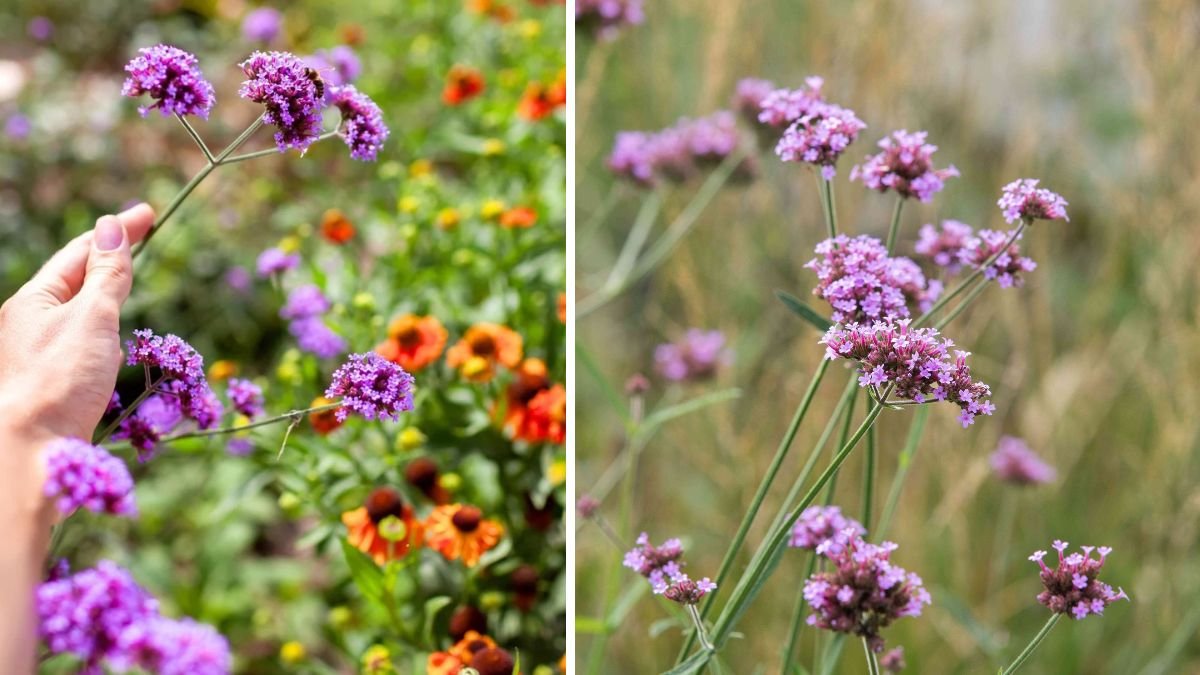
When it comes to creating a vibrant, heat-resistant garden, verbena is often the unsung hero. Known for its ability to thrive in high temperatures and limited water, heat-tolerant verbena varieties can infuse your garden with color, resilience, and low-maintenance charm. This article delves into the various aspects of growing these hardy plants successfully, along with a FAQs section to address common queries.
1. Understanding Verbena
1.1 What is Verbena?
Verbena is a genus of flowering plants in the family Verbenaceae. With over 250 species, they vary widely in appearance and growth habits. Most commonly, gardeners opt for perennial and annual varieties. These enchanting plants often display clusters of vibrant flowers and lush foliage, making them a popular choice for borders, containers, and hanging baskets.
1.2 Why Choose Heat-Tolerant Varieties?
Heat-tolerant verbena varieties have adapted to thrive in hot, dry conditions. Unlike their non-heat-resistant counterparts, these plants can endure prolonged exposure to sunlight and require less water. This makes them an ideal choice for regions with high summer temperatures or areas prone to drought. Some popular heat-tolerant varieties include Verbena bonariensis, Verbena rigida, and Verbena purplespike.
2. Selecting the Right Heat-Tolerant Varieties
Choosing the right heat-tolerant verbena varieties starts with understanding what each type offers. Some noteworthy options include:
2.1 Verbena bonariensis
- Description: A perennial that grows upright and can reach heights of 3-4 feet. It produces clusters of small, lavender-purple flowers.
- Ideal Use: Best suited for pollinator gardens due to its attraction to butterflies and bees.
2.2 Verbena rigida
- Description: A compact perennial that usually grows around 1-2 feet tall, featuring clusters of bright purple flowers.
- Ideal Use: Great for borders and containers. This variety is particularly drought-resistant.
2.3 Verbena hastata
- Description: Known as the swamp verbena, it can reach up to 3 feet, flourishing in a variety of soil types.
- Ideal Use: Perfect for both garden beds and wildflower meadows.
3. Preparing the Soil
3.1 Soil Requirements
Heat-tolerant verbenas thrive in well-drained soil with a pH level between 6.0 and 7.0. Although they can adapt to different soil types, loamy soil enriched with organic matter will yield the best results.
3.2 Enhancing Soil Quality
- Soil Amendments: Incorporate compost or well-rotted manure to improve soil texture and fertility.
- Drainage: Ensure that your planting area has excellent drainage to prevent root rot, especially in regions that experience heavy rainfall.
4. Choosing the Right Location
4.1 Sunlight Requirements
Most heat-tolerant verbena varieties require full sun exposure, ideally 6 to 8 hours of direct sunlight each day. Choose a location that provides adequate sunlight to encourage healthy growth and vibrant blooms.
4.2 Protection from Winds
While verbena plants are sturdy, strong winds can damage their delicate flowers. Planting them near sheltered areas, such as walls or fences, can help protect them from harsh gusts.
5. Planting Your Verbena
5.1 When to Plant
The best time to plant verbena is during the spring, after the last frost has passed. In warmer climates, you can also plant in the fall, allowing for a more robust root system before the heat kicks in.
5.2 Planting Method
- Spacing: Plant verbena 12-18 inches apart to allow air circulation and prevent overcrowding.
- Hole Preparation: Dig a hole twice the size of the root ball and gently loosen the roots before placing them in the hole. Cover with soil and water well.
6. Watering and Feeding
6.1 Watering Schedule
Heat-tolerant verbenas are drought-resistant but require some moisture, especially during their establishment phase. Water them deeply once a week, allowing the soil to dry out between waterings.
6.2 Fertilization
Verbena does not require heavy fertilization. A balanced, slow-release fertilizer applied in early spring will support growth. Avoid excessive nitrogen, as this can lead to lush foliage at the expense of flowers.
7. Maintenance and Care
7.1 Pruning
Regular pruning encourages bushier growth and more blooms. Deadheading spent flowers will promote continuous blooming throughout the season.
7.2 Pest and Disease Management
While verbena is generally pest-resistant, keep an eye out for aphids and whiteflies. Treat infestations promptly with insecticidal soap if necessary. Ensure good air circulation to minimize the risk of fungal diseases.
8. Seasonal Considerations
8.1 Summer Care
During extreme heat, ensure adequate watering and consider mulching around the base of the plants to retain moisture and regulate soil temperature.
8.2 Winter Care
In colder regions, most heat-tolerant verbenas will not survive the winter. If you want to preserve them, consider bringing potted plants indoors or mulching heavily for protection.
9. Designing Your Garden with Verbena
9.1 Companion Planting
Heat-tolerant verbenas pair well with other drought-resistant plants, such as:
- Lantana: Adds vibrant color and is also drought-resistant.
- Sedum: Complements verbena’s flowers with its unique foliage.
- Butterfly Bushes: Attracts pollinators while providing vertical interest.
9.2 Color Schemes
Consider creating a color scheme using the different flower colors of verbena varieties. Combine lavender, white, and deep purple flowers for a calming effect or go for bold contrasts with reds and yellows.
FAQs
1. Can verbena survive in partial shade?
While some varieties may tolerate partial shade, they thrive best in full sun. Reduced sunlight can hinder blooming and overall growth.
2. How often should I water verbena?
Water verbena deeply once a week, allowing the soil to dry out between waterings. Adjust your watering frequency based on rainfall and temperature.
3. What pests should I look out for?
Common pests include aphids and whiteflies. Monitor your plants regularly and treat infestations with insecticidal soap or neem oil.
4. Do heat-tolerant verbenas bloom all summer?
Yes, with proper care, heat-tolerant verbenas can produce blooms from late spring through fall, particularly if deadheaded regularly.
5. How can I encourage more blooms?
Regular deadheading (removing spent flowers) promotes further blooming. A balanced, slow-release fertilizer can also help boost flower production.
6. Are verbena plants deer-resistant?
Yes, verbena tends to be deer-resistant, making it a suitable choice for gardens in areas where deer may roam.
By following the guidelines above, you can enjoy a thriving garden of heat-tolerant verbena that stands resilient against the summer heat. With their robust nature and vibrant blooms, these plants can create a stunning landscape that brings joy and beauty to your outdoor space.