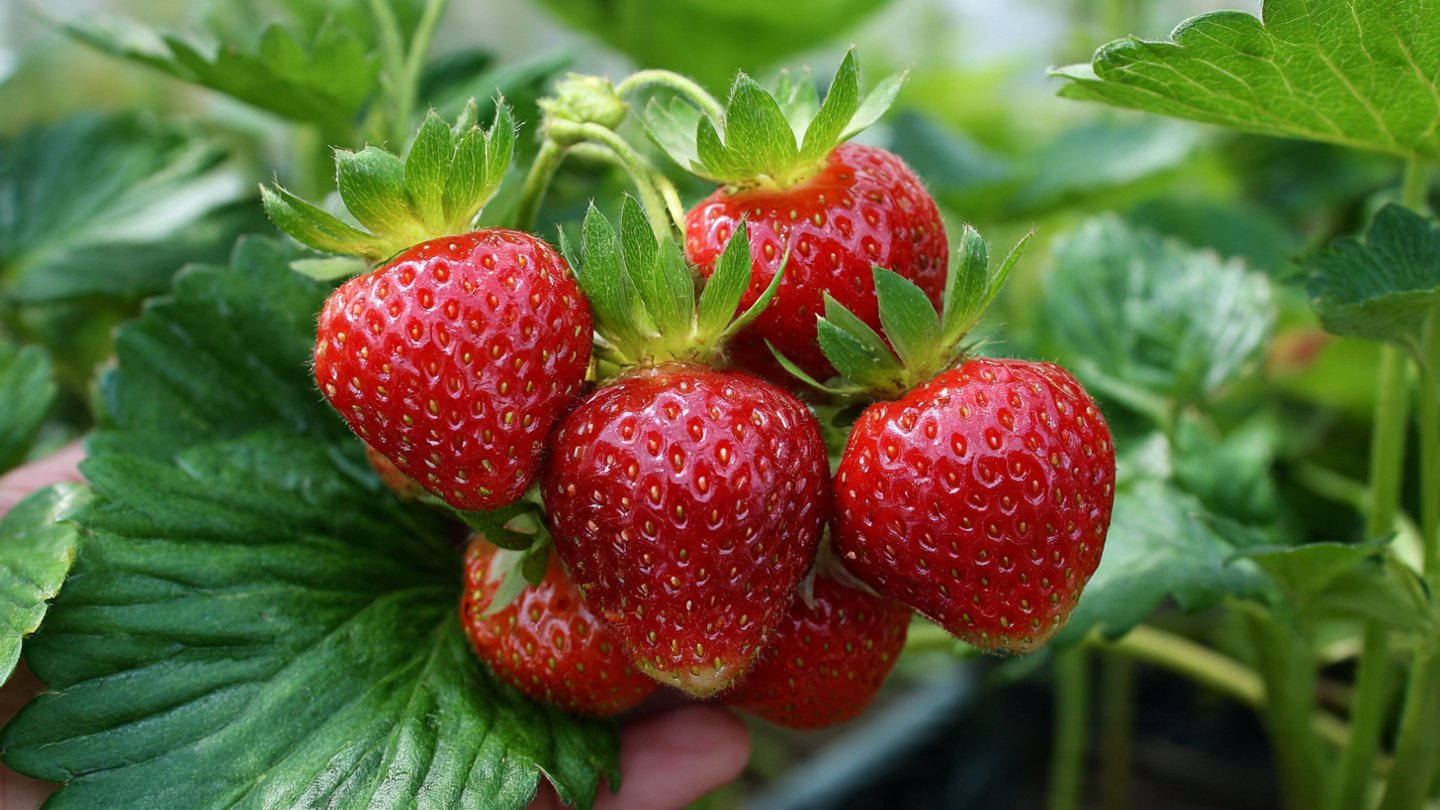
Strawberries are cherished for their sweetness, versatility, and nutritional benefits. Growing hardy strawberry varieties can be a rewarding endeavor for gardeners seeking a lush, productive garden. This article guides you through the essentials of successfully cultivating these resilient plants, from choosing the right varieties to optimizing conditions and care practices.
Understanding Hardy Strawberry Varieties
Hardy strawberry varieties are particularly well-suited to withstand colder climates. These plants are typically able to survive frost and thrive in regions with harsh winters, making them an excellent choice for gardeners in cooler zones. The two main types of hardy strawberries are:
-
Junebearing Strawberries: These varieties produce a single, abundant harvest in late spring or early summer. Popular strains include ‘Earliglow’ and ‘Jewel.’
-
Day-Neutral Strawberries: These varieties can produce fruit throughout the growing season, regardless of day length. They are ideal for extending your harvest. Examples include ‘Seascape’ and ‘Albion.’
Selecting the Right Variety
When selecting strawberry varieties, consider your climate, soil conditions, and intended use. If you want a concentrated harvest, go for junebearing types. If you’d prefer a consistent supply, choose day-neutral varieties. Always purchase plants from reliable sources or nurseries to ensure you are getting disease-free, true-to-type varieties.
Preparing Your Garden
1. Choosing the Right Location
Strawberries thrive in full sun, requiring at least 6-8 hours of direct sunlight per day. Avoid areas with heavy shade to maximize your harvest potential. Look for a location that drains well to prevent waterlogging, which can lead to root rot.
2. Soil Preparation
Strawberries prefer slightly acidic soil with a pH of 5.5 to 6.5. To prepare your soil:
- Testing the Soil: Conduct a soil test to assess pH and nutrient levels. This will guide any necessary amendments.
- Incorporating Organic Matter: Mix in compost or well-rotted manure to enhance soil fertility and structure. Aim for a soil texture that’s loamy, which helps with drainage while retaining moisture.
3. Raised Beds and Containers
Consider using raised beds or containers if you’re working with poor soil conditions or to manage weeds. Ensure that containers are at least 12 inches deep, allowing for proper root development. Raised beds also provide excellent drainage and make harvesting easier.
Planting Your Strawberries
1. Timing
The best time to plant strawberries is in early spring or early fall, depending on your climate. Planting in spring allows for a full growing season, while fall planting can provide an earlier harvest the following spring.
2. Spacing
When planting strawberries, space them approximately 12-18 inches apart, allowing enough room for their spread. This spacing helps reduce competition for nutrients and air circulation, which can mitigate disease risk.
3. Planting Technique
- Remove Leaves and Flowers: Before planting, remove any flowers or blossoms to encourage strong root growth.
- Planting Depth: Place the plant in the soil such that the crown (where the stem meets the roots) is level with the soil surface. Too deep planting can lead to rot, while too shallow can dry out the roots.
Caring for Your Strawberry Plants
1. Watering
Strawberries require consistent moisture, especially during their fruiting season. Aim for about 1-1.5 inches of water per week. Use soaker hoses or drip irrigation to minimize water on the foliage, reducing the risk of fungal diseases.
2. Mulching
Apply a layer of organic mulch, such as straw or wood chips, around the plants to retain moisture, regulate soil temperature, and suppress weeds. Mulching also keeps fruits clean and off the soil, reducing the likelihood of rot.
3. Fertilizing
Strawberries benefit from regular feeding during the growing season. Use a balanced fertilizer at planting time and follow up with a high-potassium fertilizer (like a tomato fertilizer) when the plants begin to flower. Be cautious not to over-fertilize, as this can lead to excessive foliage growth at the expense of fruit production.
4. Pruning and Training
Regular maintenance includes:
- Removing Runners: While runners (or stolons) help propagate strawberries, excess runners can drain energy from the main plant. Trim them as needed, especially during the flowering and fruiting stages.
- Removing Dead Leaves: Keep your plants healthy by pruning dead or damaged leaves, which helps improve airflow and reduces disease risk.
5. Pest and Disease Management
Strawberries can be susceptible to various pests and diseases such as aphids, slugs, and fungal infections. Incorporate preventative measures:
- Natural Predators: Encourage beneficial insects like ladybugs to keep pest populations in check.
- Neem Oil or Insecticidal Soap: Use these organic options sparingly to treat pest infestations.
- Fungicide Treatments: Apply fungicides designed for strawberries if you notice signs of fungal diseases, particularly during wet weather.
Harvesting Your Strawberries
1. Timing
Strawberries are generally ready for harvest when they’re fully colored (usually red), glossy, and slightly soft. Harvest in the morning for the best flavor as the sugars are highest at this time.
2. Picking Technique
Use scissors or garden shears to cut the stem about an inch above the fruit. This technique minimizes damage to the plants and prevents bruising the berries.
Extending the Growing Season
1. High Tunnels and Greenhouses
For an even more bountiful harvest, consider utilizing high tunnels or greenhouses. These structures offer protection from harsh weather and pests, allowing for earlier planting and extended harvest periods.
2. Row Covers
Using row covers can also help protect your plants from frost damage, especially during late spring or early fall.
Winter Care
1. Preparing for Winter
As winter approaches, it’s essential to protect your strawberry plants:
- Mulch Heavily: After the first frost, apply a thicker layer of mulch (straw, wood chips) around the plants to insulate their roots.
- Remove Debris: Clean up around the plants to minimize overwintering disease complaints.
2. Spring Awakening
In early spring, once the danger of frost has passed, remove mulch carefully to allow sunlight and warmth to stimulate growth, and inspect the plants for any overwintering issues.
FAQs
Q1: How long do strawberry plants live?
A1: Strawberry plants typically have a productive life of about 3-5 years. After this time, production may decline, and it’s often recommended to replant.
Q2: Can I grow strawberries in pots?
A2: Yes, strawberries thrive in containers. Just ensure the pots have adequate drainage and use a quality potting mix.
Q3: Why are my strawberries not producing fruit?
A3: Several factors could be responsible, including insufficient sunlight, poor soil quality, or excess nitrogen causing more foliage and less fruit. Ensure that your plants are spaced properly, receive adequate sunlight, and are not over-fertilized.
Q4: How do I prevent disease in my strawberry plants?
A4: Focus on good cultural practices like proper spacing for airflow, watering at the base of the plant, and regular removal of dead foliage. Additionally, consider resistant varieties if disease is a recurrent issue.
Q5: When can I expect to harvest my strawberries?
A5: Depending on the variety, you can usually expect your first harvest from new plants about 4-6 weeks after flowering. Junebearing strawberries will produce all at once, while day-neutral varieties will provide fruit throughout the season.
Conclusion
Growing hardy strawberry varieties can be an incredibly satisfying and fruitful experience, providing you with fresh berries for your table. With proper planning, care, and attention to detail in your gardening practices, a bountiful harvest is just around the corner. Whether you’re a seasoned gardener or a novice, following the guidelines in this article will help you cultivate a thriving strawberry patch that yields delicious results for years to come.