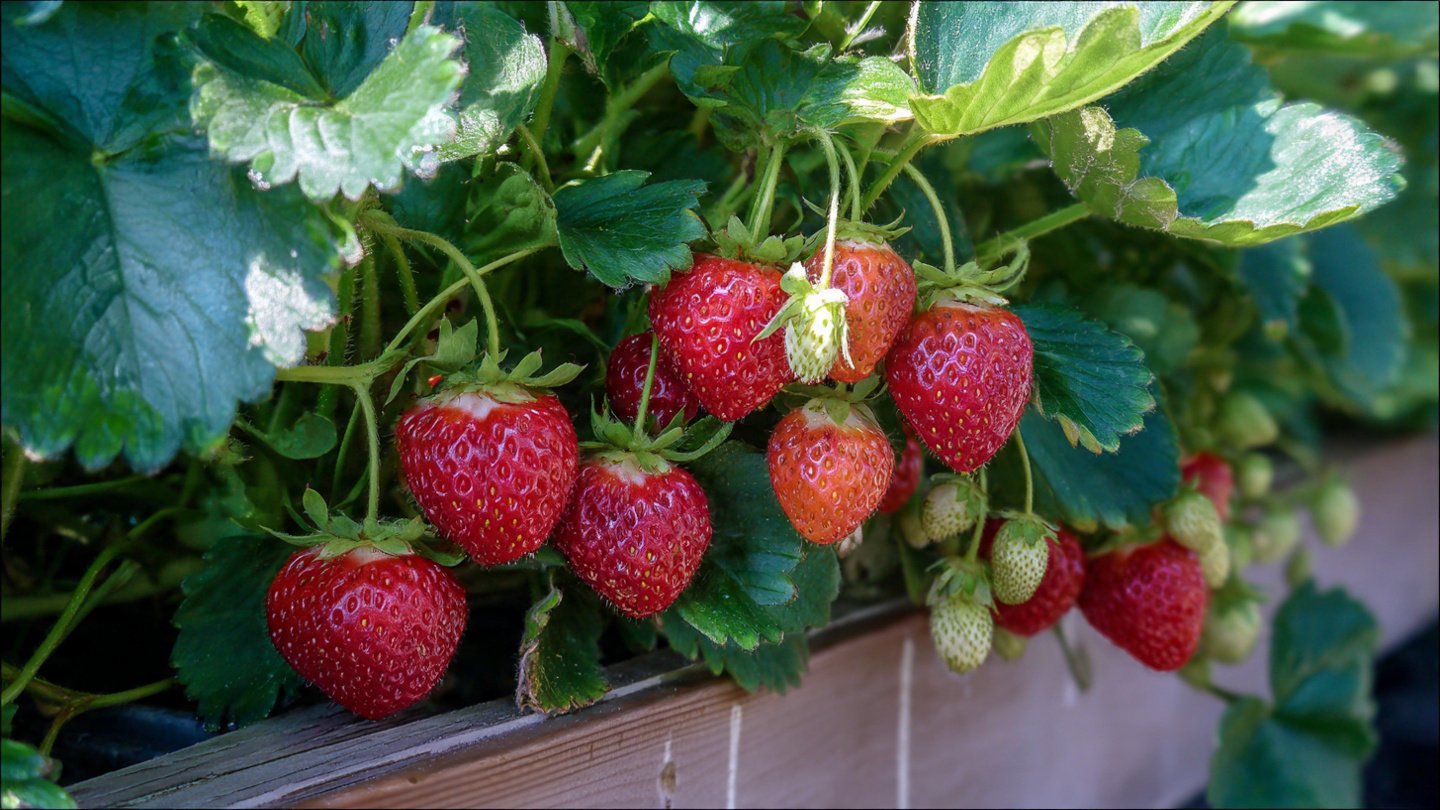
Growing strawberries can be a rewarding endeavor, especially for those living in regions with short summer seasons. With the right techniques and understanding, gardeners can cultivate early strawberries that will flourish despite climatic constraints. This article provides comprehensive guidance on successfully growing early strawberries and maximizing harvests, complete with a FAQs section at the end.
Understanding Early Strawberries
Early strawberries, particularly everbearing and day-neutral varieties, are your best bet for short summer seasons. Unlike June-bearing varieties that produce fruit in a single burst, these types offer extended harvest periods, potentially yielding strawberries throughout the growing season.
Choosing the Right Varieties
-
Everbearing Varieties: These produce fruit continuously throughout the season, yielding from late spring to fall.
- ‘Quinault’: This variety thrives in colder climates and has a sweet flavor.
- ‘Ozark Beauty’: Known for its resilience, it produces large, flavorful berries.
-
Day-Neutral Varieties: These strawberries yield fruit based on day length rather than season.
- ‘Seascape’: This prolific producer works well in a variety of conditions.
- ‘Albion’: Known for its exceptional taste and extended harvest period.
Local Climate Considerations
Understanding your local climate is crucial when planning your strawberry garden. Short summer seasons often mean cooler temperatures and fickle weather. Consider the following factors:
- Frost Dates: Research your average last frost date in spring and the first frost date in fall to optimize planting times.
- Soil Temperature: Strawberries prefer soil temperatures between 60°F and 80°F. Check your soil temperature before planting.
Soil Preparation
Choosing the Right Location
Strawberries require at least 6 to 8 hours of full sun each day. A well-drained location is vital to prevent root rot. Look for a spot that’s slightly elevated to avoid waterlogging.
Soil Testing and Amendment
Conduct a soil test to determine pH (ideally between 5.5 and 6.8) and nutrient levels. Amend the soil with the following:
- Organic Matter: Incorporate well-rotted manure or compost to enhance soil structure.
- Nitrogen: A balanced fertilizer can help promote healthy growth. Products high in phosphorus are beneficial when planting.
Bed Preparation
Create raised beds or mound the soil for good drainage. The ideal bed height is 10-12 inches, with a width of 30-36 inches. Space rows 2-3 feet apart to facilitate air circulation and maintenance.
Planting Early Strawberries
Timing
Plant strawberries in early spring, as soon as the soil is workable and danger of frost has passed. In colder regions, consider starting seeds indoors or purchasing bare-root plants for an earlier start.
Planting Process
- Spacing: Space plants 12-18 inches apart. This allows adequate room for growth while reducing disease risk.
- Depth: Plant strawberries so the crown (where the roots meet the stem) is level with the soil surface. Planting too deep or too shallow can hinder growth.
- Watering: Water immediately after planting to settle soil around the roots.
Mulching
Apply a layer of straw, pine needles, or black plastic mulch around plants. This helps retain moisture, regulate soil temperature, and suppress weeds. Organic mulch can also improve soil health over time.
Caring for Early Strawberries
Watering
Strawberries need consistent moisture, especially during fruit development. Aim for 1-2 inches of water per week. Drip irrigation is ideal, as it delivers water directly to the roots while minimizing foliage wetness.
Fertilization
Feed strawberries after planting with a balanced fertilizer high in potassium and phosphorus. Avoid high-nitrogen fertilizers as they can lead to lush leaves but reduced fruit production.
Weeding and Pest Management
Regularly inspect your plants for weeds, which compete for nutrients and moisture. Hand-pull weeds or use mulch for suppression.
Integrated Pest Management (IPM)
For pest control, consider:
- Physical Barriers: Use row covers to protect against insects.
- Beneficial Insects: Introduce ladybugs and lacewings to naturally control aphids and other pests.
- Organic Pesticides: If necessary, use neem oil or insecticidal soaps as a last resort.
Pruning and Training
Remove runners during the growing season to redirect energy into fruit production. If your plants start to become overcrowded, thin them to improve air circulation and light penetration.
Harvesting Early Strawberries
Timing Your Harvest
Strawberries should be harvested when fully red, as they do not continue to ripen once picked. Regularly check for ripe berries every few days during peak season.
Harvesting Technique
Use scissors or garden shears to cut the stem just above the berry. Avoid yanking the berry to prevent damaging the plant.
Maximizing Your Harvest
Succession Planting
Plant new strawberry beds every year to maintain an ongoing harvest cycle. This technique ensures you have fresh strawberries ready even in the shorter growing seasons.
Protecting from Pests and Diseases
Keep plants healthy through crop rotation, good hygiene, and proper spacing. This not only maximizes yield but also reduces the likelihood of disease outbreaks.
Seasonal Care
In late summer, cut back plants and apply a balanced fertilizer to encourage strong root growth for the following season.
Winter Preparation
In colder climates, protect your strawberry plants during winter months. Use straw or fabric row covers to insulate plants against freezing temperatures. This will encourage resilient growth come spring.
Conclusion
Growing early strawberries in shorter summer seasons is entirely feasible with the right knowledge and techniques. By selecting appropriate varieties, preparing the soil, and providing diligent care, you can create a thriving strawberry garden that maximizes yields. Whether you’re a seasoned gardener or a novice, these practices will help you enjoy delicious strawberries fresh from your garden.
FAQs
1. What are the best varieties of strawberries for short summer seasons?
Everbearing and day-neutral varieties like ‘Quinault’ and ‘Seascape’ are suitable for short summer climates.
2. When should I plant strawberries for the best harvest?
Plant strawberries in early spring, ideally after the last frost date, to give them ample time to establish.
3. How much sunlight do strawberries need?
Strawberries thrive with 6-8 hours of full sun daily.
4. What is the best way to water strawberries?
Drip irrigation is recommended, as it keeps foliage dry and delivers moisture directly to the roots.
5. How can I prevent pests from damaging my strawberries?
Use physical barriers like row covers and introduce beneficial insects to manage pest populations effectively.
6. What should I do to prepare strawberries for winter?
In colder climates, cover plants with straw or fabric covers to protect them from freezing temperatures.
7. How often should I fertilize my strawberries?
Fertilize strawberries after planting and again after the harvest begins, using a balanced fertilizer suitable for fruiting plants.
By following these guidelines, you can enjoy a bountiful strawberry harvest, even in the confines of short summers. Happy gardening!