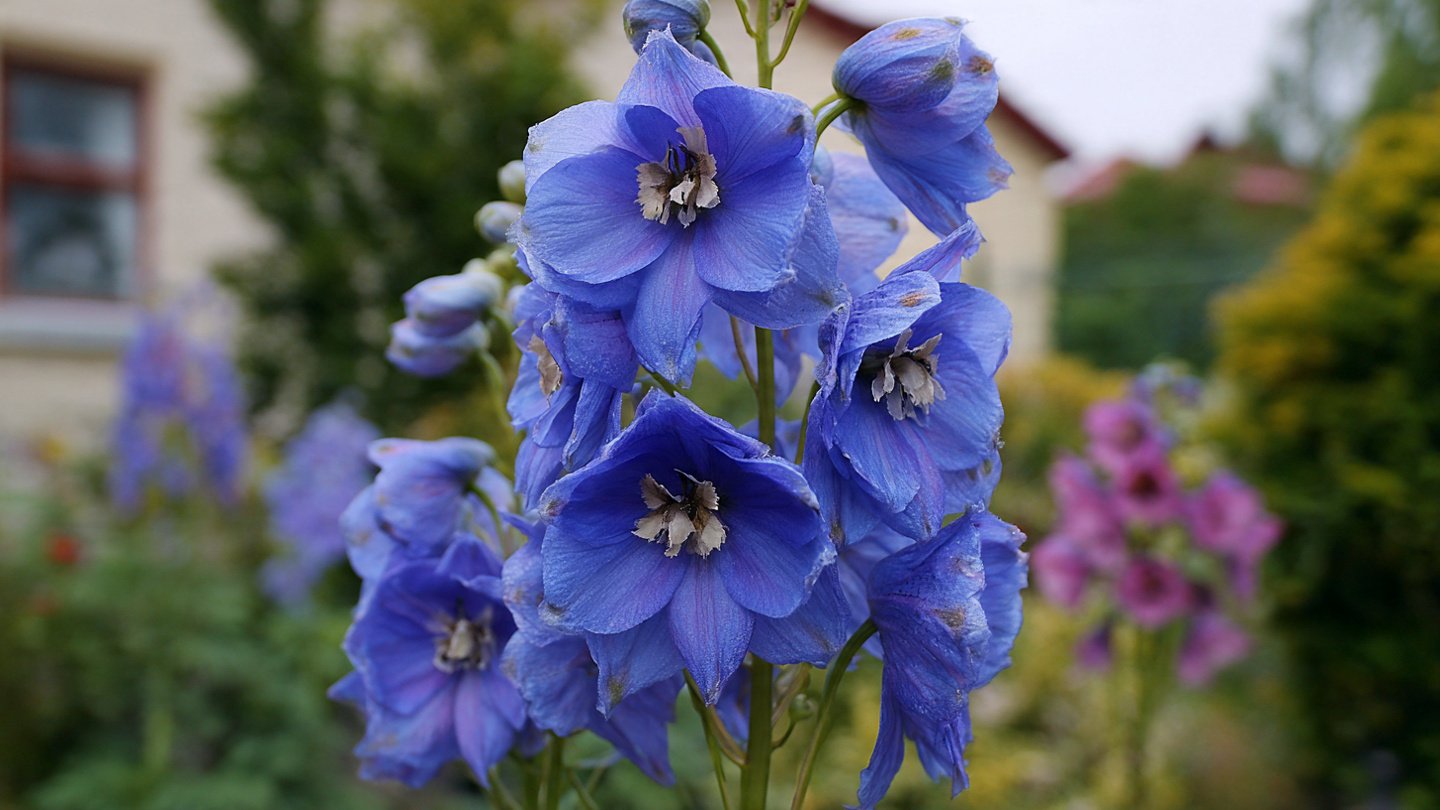
Delphiniums, with their stunning spikes of blue, purple, pink, or white flowers, are a favorite among gardeners seeking to add vertical interest and vibrant color to their landscapes. These perennial beauties thrive in cool climates, making them a perfect choice for gardeners in temperate regions. This guide will explore the essential steps for successfully growing delphiniums, covering everything from choosing the right varieties and planting techniques to care and maintenance.
Understanding Delphiniums
Delphiniums belong to the Ranunculaceae family and are native to the Northern Hemisphere, primarily found in mountainous regions. They are characterized by tall flower spikes featuring intricate, cup-shaped blooms. Most commonly seen as perennials, they can be grown as annuals in some areas.
Delphiniums are often categorized into two main types: herbaceous and bipinnatum. Herbaceous delphiniums tend to have a shorter lifespan but may bloom more extensively in their first few years. Bipinnatum delphiniums have a more enduring presence and are known for their drought tolerance.
Varieties of Delphinium
Choosing the right variety is crucial for success:
- Delphinium elatum – Often called the “Tall Delphinium,” it can grow up to 6 feet high, producing large flower spikes in various colors.
- Delphinium Pacific hybrids – These are popular for their robust growth and vivid colors. They are ideal for cutting gardens and border plantings.
- Delphinium cultorum – These are shorter varieties that work well in smaller gardens or containers.
Choosing the Right Location
Sunlight Requirements
Delphiniums thrive in full sun, needing at least 6 to 8 hours of direct sunlight daily. However, in extremely hot climates, they can benefit from some afternoon shade to prevent wilting and prolong bloom time.
Soil Conditions
Soil quality is critical for healthy delphiniums. They prefer:
- Well-draining soil: Delphiniums cannot tolerate waterlogged roots, so good drainage is essential.
- Rich, fertile soil: Adding organic matter like compost or well-rotted manure can enhance soil fertility and texture.
- pH balance: A slightly alkaline pH (6.5-7.5) is optimal. Test your soil pH and amend as necessary.
Climate Considerations
Delphiniums flourish in cooler climates with moderate summer temperatures. If you live in a hotter region, consider planting them in a location that receives afternoon shade, or try growing them as annuals or biennials.
Planting Delphinium
When to Plant
The ideal planting time for delphiniums is in the spring, after the last frost date. In some regions with mild winters, fall planting is also possible.
Planting Techniques
- Site Preparation: Clear the area of weeds and debris. Work in organic matter to improve soil structure.
- Spacing: Delphiniums can grow quite tall and wide. Space your plants 12 to 24 inches apart to ensure good air circulation and prevent disease.
- Planting Depth: Dig holes twice as wide as the root ball, and plant the delphinium at the same depth it was growing in its nursery pot.
- Watering: Water thoroughly after planting to help the roots establish.
Seeds vs. Transplants
While many gardeners prefer planting delphiniums from nursery transplants, starting from seeds can also be a rewarding endeavor. Seeds should be started indoors 8-10 weeks before the last frost or sown directly in the garden after the danger of frost has passed.
Watering and Nutrition
Watering
Regular watering is essential, especially during dry spells. Aim to keep the soil consistently moist but not soggy. Establish a deep watering routine to promote strong root growth; this might mean watering less frequently but ensuring that the water penetrates deeply into the soil.
Fertilization
Delphiniums are heavy feeders:
- Initial Fertilization: Incorporating a balanced fertilizer when planting helps kickstart growth.
- Mid-Season Boost: Fertilize with a nitrogen-rich fertilizer in early spring as new growth emerges, and again after the first blooming cycle to encourage further blooms.
Pruning and Deadheading
Pruning Practices
Pruning helps maintain the health and appearance of delphiniums:
- After Blooming: Once flowers have faded, deadhead the spent blooms to encourage more flowers and prevent the plant from going to seed too early.
- Spring Cleanup: Cut back dead stems in late fall or early spring to allow new growth to emerge.
Pest and Disease Management
Delphiniums can be susceptible to several pests and diseases:
Common Pests
- Aphids: Small sap-sucking insects can be managed with insecticidal soap.
- Slugs and Snails: These pests can damage young plants. Hand-picking and using bait can be effective.
Diseases
- Powdery Mildew: Ensure good air circulation by proper spacing and pruning. If necessary, treat with a fungicide.
- Botrytis Blight: This fungal disease can occur in damp conditions. Preventive measures include ensuring proper hydration and spacing.
Supporting Delphiniums
Given their height, delphiniums often require support to prevent flopping. Use:
- Stakes: Place sturdy stakes when the plants are young to support their growth.
- Cages: Tomato cages can also work well for sturdy support as the plants develop.
Harvesting and Using Delphiniums
Delphiniums make excellent cut flowers. To ensure longevity:
- Harvest in the Morning: Cut blooms early when the flowers are fully open but still firm.
- Keep in Water: Place the stems in warm water immediately after cutting.
- Add Preservatives: You can add floral preservatives to extend the vase life.
Conclusion
Growing delphiniums successfully requires attention to detail and a commitment to their needs. With the right growing conditions, proper care, and maintenance, these cool climate flowers can be a magnificent addition to any garden. Whether you’re a seasoned gardener or a beginner, delphiniums offer a stunning display that will elevate your landscape and provide joy for seasons to come.
By following this comprehensive guide, you will be well on your way to cultivating a beautiful delphinium garden, filled with vibrant colors and the charm of these delightful perennial flowers. Happy gardening!