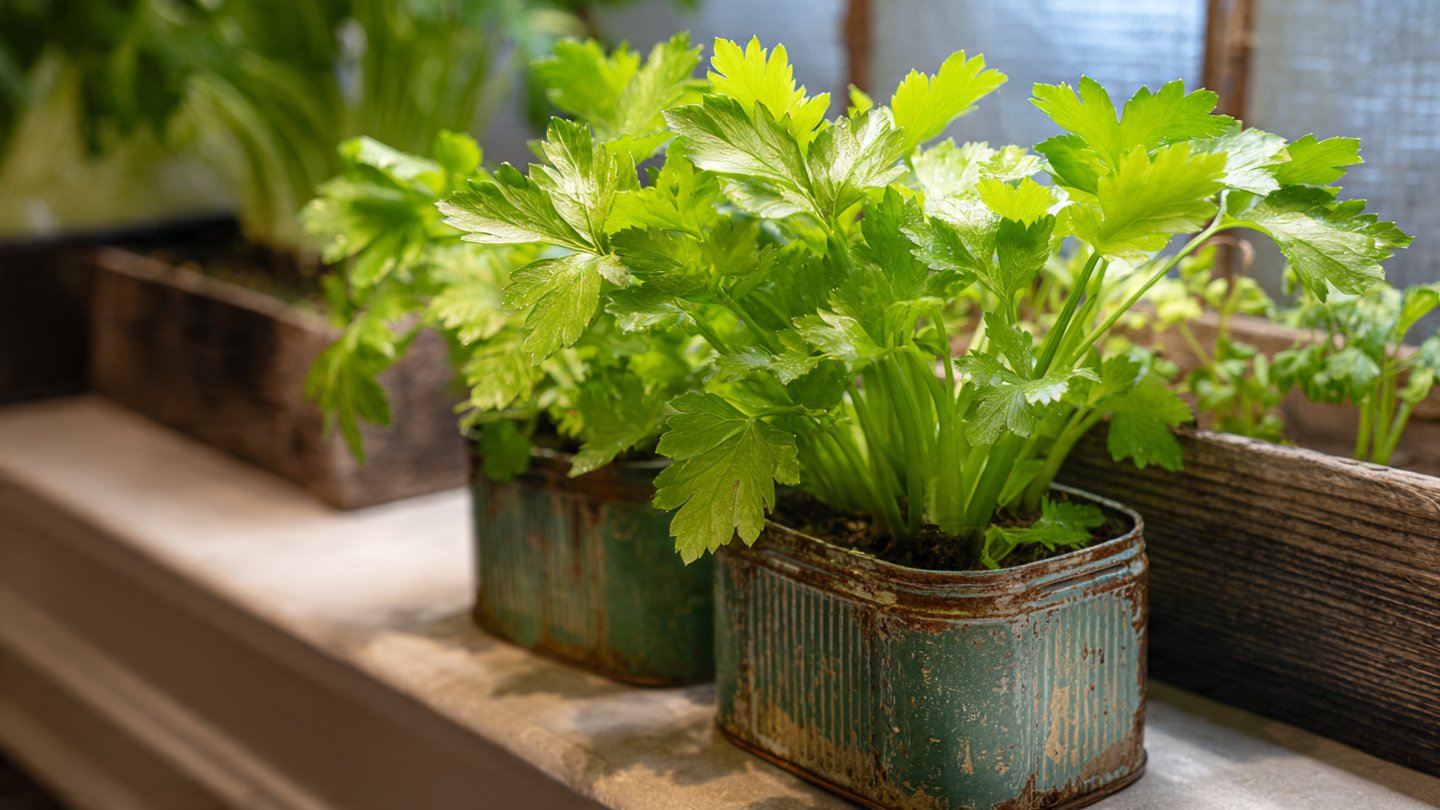
Celery (Apium graveolens) is a crunchy, nutrient-rich vegetable that thrives in cooler conditions and is often grown in home gardens. However, with the right techniques, it can also be successfully grown indoors in containers. This guide will explore how to grow celery indoors, from choosing the right containers to caring for your plants, along with some innovative techniques that can enhance your indoor gardening experience.
Understanding Celery
Before diving into the specifics of growing celery indoors, it’s important to understand this plant’s requirements.
Growth Conditions
Celery is a biennial plant that is typically grown as an annual. Here are the core conditions it loves:
- Light: Celery requires full sun, meaning at least 6-8 hours of direct sunlight daily.
- Water: Celery has a high water requirement and thrives in consistently moist soil.
- Temperature: Ideally, celery prefers temperatures between 60°F and 70°F (15°C – 21°C).
Choosing the Right Containers
Growing celery indoors requires careful consideration of container choices. Here are some factors to consider:
Size
Choose deep containers that can accommodate celery’s long root system. Aim for pots that are at least 8-12 inches deep and 12-18 inches in diameter. Some options include:
- Plastic Pots: Lightweight and usually inexpensive.
- Ceramic Pots: Attractive but heavier and more expensive.
- Self-Watering Containers: Ideal for ensuring consistent moisture, which is crucial for celery.
Material
Container material affects soil temperature and moisture retention:
- Plastic: Retains moisture well but can overheat.
- Clay: Allows better airflow but dries out quickly.
- Wood: Offers good insulation and drainage but needs treatment to prevent rot.
Soil Selection
Celery thrives in rich, well-draining soil. An ideal mix includes:
- Potting Mix: A high-quality potting mix serves as a solid base.
- Compost: Adds nutrients and improves soil structure.
- Perlite or Vermiculite: Enhances drainage and aeration.
Preparing the Soil
- Combine: Mix potting soil, compost, and perlite in a 3:1:1 ratio.
- Moisten: Ensure the soil is damp but not soggy before planting.
Planting Celery Seeds
Starting Seeds Indoors
You can start celery seeds indoors about 10-12 weeks before the last expected frost date. Follow these steps:
- Seed Tray: Fill seed trays with the prepared soil mix.
- Planting Depth: Sow seeds on the surface and lightly cover them with soil; celery seeds require light to germinate.
- Moisture: Mist the soil with water to avoid displacing the seeds.
- Temperature: Keep the trays in a warm area (around 70°F).
Germination
Celery seeds usually germinate in 14-21 days. Once seedlings develop two true leaves, they can be transplanted into larger containers.
Transplanting Seedlings
When your seedlings are about 3-4 inches tall, it’s time to transplant them into individual containers.
- Prepare Containers: Fill your chosen pots with the prepared soil.
- Transplantation: Carefully remove seedlings, ensuring you disturb the roots as little as possible, and place them in the new containers.
- Watering: Water the seedlings thoroughly after transplanting.
Caring for Your Celery Plants
Light Requirements
Celery requires a lot of light. If you don’t have a sunny window, consider using grow lights:
- LED Grow Lights: Provide full spectrum light and are energy-efficient.
- Placement: Keep the lights 6-12 inches above the plants and on for 12-16 hours a day.
Watering
Maintaining moisture is crucial:
- Consistency: Keep the soil consistently moist but never waterlogged.
- Check the Soil: Use your finger to gauge moisture—if the top inch is dry, it’s time to water.
- Self-Watering Pots: Consider them for ease of management.
Fertilizing
Celery is a heavy feeder:
- Liquid Fertilizer: Use a balanced, water-soluble fertilizer every 3-4 weeks.
- Organic Options: Fertilizers with high nitrogen content are ideal for leafy growth.
Pest and Disease Management
Indoor plants can still fall prey to pests:
- Common Pests: Aphids, whiteflies, and spider mites may appear. Use insecticidal soap or neem oil as a natural remedy.
- Disease: Overwatering can lead to root rot; ensure proper drainage and avoid wetting the leaves during watering.
Creative Techniques for Growing Celery Indoors
Hydroponics
Hydroponic systems are excellent for growing celery as they require more constant moisture. Techniques include:
- Nutrient Film Technique (NFT): A thin film of nutrient solution flows over the roots, providing excellent oxygenation and nutrient absorption.
- Deep Water Culture (DWC): Celery roots are suspended in nutrient-rich water, which ensures constant nourishment.
Using Kitchen Scraps
Another creative way to grow celery indoors:
- Regrowing from Scraps: Place the base of a celery stalk in a shallow dish of water, cut side up.
- Light: Place it in a sunny location.
- Transplanting: Once new growth appears, transfer it to a pot.
Vertical Gardening
Maximize space using vertical gardening techniques:
- Stacked Planters: Use tiered planters to grow multiple celery plants upward.
- Wall Planters: Use wall-mounted pockets filled with soil for creative growing spaces.
Companion Planting
Companion planting can enhance growth and deter pests:
- Good Companions: Plant celery alongside tomatoes, carrots, or parsley for mutual benefits.
- Herbs: Basil and dill can deter pests when planted nearby.
Harvesting
Harvesting celery is straightforward:
- Timing: Celery is ready to harvest when the stalks are at least 8-10 inches tall.
- Technique: Use a sharp knife to cut the stalks at the base. Alternatively, harvest the entire plant for a complete use.
Storage
Store harvested celery in the refrigerator:
- Wrap: Wrap it in aluminum foil to maintain moisture and freshness.
- Use: Celery usually lasts for about two weeks in the fridge.
FAQs
1. How much light does celery need indoors?
Celery requires at least 6-8 hours of direct sunlight. If natural light is insufficient, consider using grow lights for 12-16 hours a day.
2. Can I grow celery from the base of a store-bought stalk?
Yes! Place the base of the stalk in water, and when new leaves appear, transplant it into soil.
3. What’s the ideal temperature for growing celery indoors?
Celery thrives in temperatures between 60°F and 70°F (15°C – 21°C).
4. How often should I water my indoor celery?
Celery requires consistent moisture. Water it whenever the top inch of soil feels dry, ensuring it never sits in water.
5. What pests should I watch for when growing celery indoors?
Common pests include aphids, whiteflies, and spider mites. Regularly inspect your plants and use organic treatments if necessary.
6. How long does it take for celery to grow?
From seed to harvest, celery typically takes 90-120 days, depending on the variety and growing conditions.
7. Do I need to fertilize celery, and if so, how often?
Yes, fertilize with a balanced water-soluble fertilizer every 3-4 weeks to ensure healthy growth.
Conclusion
Growing celery indoors can be a rewarding endeavor, offering the benefits of fresh, homegrown produce right from your kitchen. By choosing the right containers, maintaining ideal conditions, and employing creative growing techniques, you can successfully cultivate celery year-round. With a little patience and care, you’ll enjoy the crisp crunch of your homegrown celery in salads, soups, and snacks. Happy gardening!